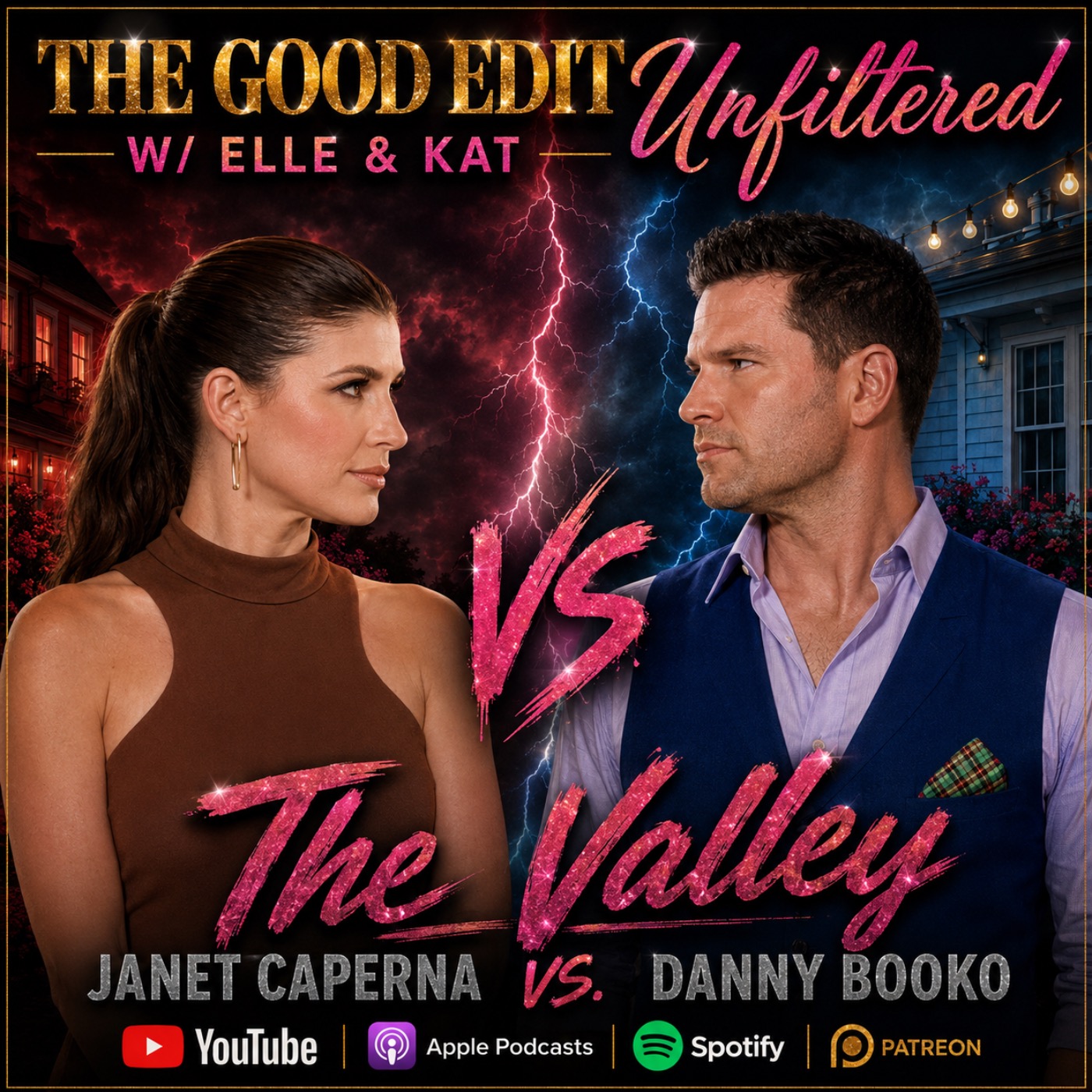
Supporting Trauma Survivors in Reality TV Culture: A Guide for Fans
Supporting Trauma Survivors in Reality TV | When reality TV programs like The Valley bring heavy, real-world issues like sexual assault into the spotlight, fans often struggle to process the content. This guide explores the psychological impact of consuming trauma-based storylines and provides actionable advice on how to practice media mindfulness, support survivors, and advocate for more ethical production standards in the entertainment industry.
Key Takeaways
- Learn how to recognize the emotional triggers associated with reality television drama.
- Understand the ethical responsibility of viewers when discussing onscreen trauma.
- Discover how to balance reality TV engagement with mental health preservation.
- Identify resources for supporting those affected by sexual assault and harassment.
The Impact of On-Screen Trauma
Reality television has evolved from lighthearted competitions into complex dramas that often mirror, or even exploit, the darkest parts of human behavior. When a program touches on sensitive topics such as sexual assault or severe harassment, the impact on the audience is profound. As behavioral analysts note, these storylines don't just exist in a vacuum; they interact with the lived experiences of the audience, potentially triggering distress for those with their own history of trauma.
Many viewers feel a sense of confusion when production companies choose to include sensitive allegations in their edit. While proponents argue that it raises awareness, critics argue that the lack of resources often attached to these segments leaves viewers vulnerable. Understanding that your emotional response to these edits is valid is the first step toward reclaiming control over your media consumption.
Why We Watch: The Psychology of Scandal
Why are we so drawn to the "unfiltered" moments in reality TV? Humans are biologically hardwired for social navigation, and reality TV acts as a surrogate for our own social circles. However, when the drama shifts from petty arguments to serious allegations, the lines of entertainment become blurred. Recognizing this shift is critical for maintaining healthy boundaries with the content we consume.
Navigating Triggering Content
As fans, we occupy a unique position in the digital age. We aren't just viewers; we are participants in the social conversation surrounding these shows. To navigate this effectively, we must practice media mindfulness. This means being aware of how our nervous system reacts when a difficult topic appears on our screen.
If you find yourself experiencing a visceral reaction to a "recap" of a scandal, it is okay to disengage. Silence is not indifference; sometimes, it is a necessary act of self-preservation. When you do choose to engage, focus on constructive dialogue that centers on the survivor's perspective rather than the voyeuristic aspects of the scandal.
Advocating for Change
The conversation doesn't end when the episode stops. Fans possess immense power to influence production standards. By vocalizing the need for content warnings, better framing of sensitive issues, and the inclusion of support resources in the credits of reality shows, we can pressure networks to act with greater empathy.
Furthermore, supporting platforms and creators who treat these topics with gravity—rather than using them for shock value—shifts the market toward more responsible storytelling. We must demand that when reality TV touches on trauma, it does so in a way that provides value and resources, not just ratings.
Conclusion
Understanding the weight of these narratives is essential for any thoughtful fan of the genre. We don't have to look away, but we must look with intention. If you want to dive deeper into the complexities of how these storylines are crafted and what they mean for us as a culture, Listen to the full episode. Join Elle and Kat for an essential conversation on how to bridge the gap between reality TV drama and real-world humanity.
Frequently Asked Questions
How do I know if a show is triggering my mental health?
If you experience physical symptoms like increased heart rate, anxiety, or intrusive thoughts during or after watching, it is a sign that the content is negatively impacting your mental health.
What is media mindfulness?
Media mindfulness is the practice of being intentional about what you watch and how it affects your psychological well-being, allowing you to set boundaries with content that causes distress.
Can I support survivors while still watching these shows?
Yes, by participating in healthy online discourse that respects survivors and provides resources, you can turn a reality TV discussion into a platform for genuine support and advocacy.

Creator | Host | Co-Executive Producer
Kat Vasseghi is a Bravo Commentator and the co-creator and co-host of The Good Edit w/ Elle & Kat, a culture-forward podcast where reality TV meets psychology, sociology, and sharp analysis. Previously known for her brand BravoRecs, Kat brings years of fluency in the Bravo universe its personalities, storylines, and fandoms paired with quick wit and a fan's instinct for the moments that matter. As a Bravo Commentator, she turns each recap into something sharper and more revealing than the average reaction show.
Known for her humor and culturally fluent takes, Kat reads the Bravo universe through the lens of the fans who live in it, catching the shifts and subtext other recaps miss. Alongside co-host Elle Schwartz, she co-created The Good Edit w/ Elle & Kat, blending cultural fluency, sharp humor, and elevated Bravo commentary into one of the most refreshing new voices in the reality TV podcast space.