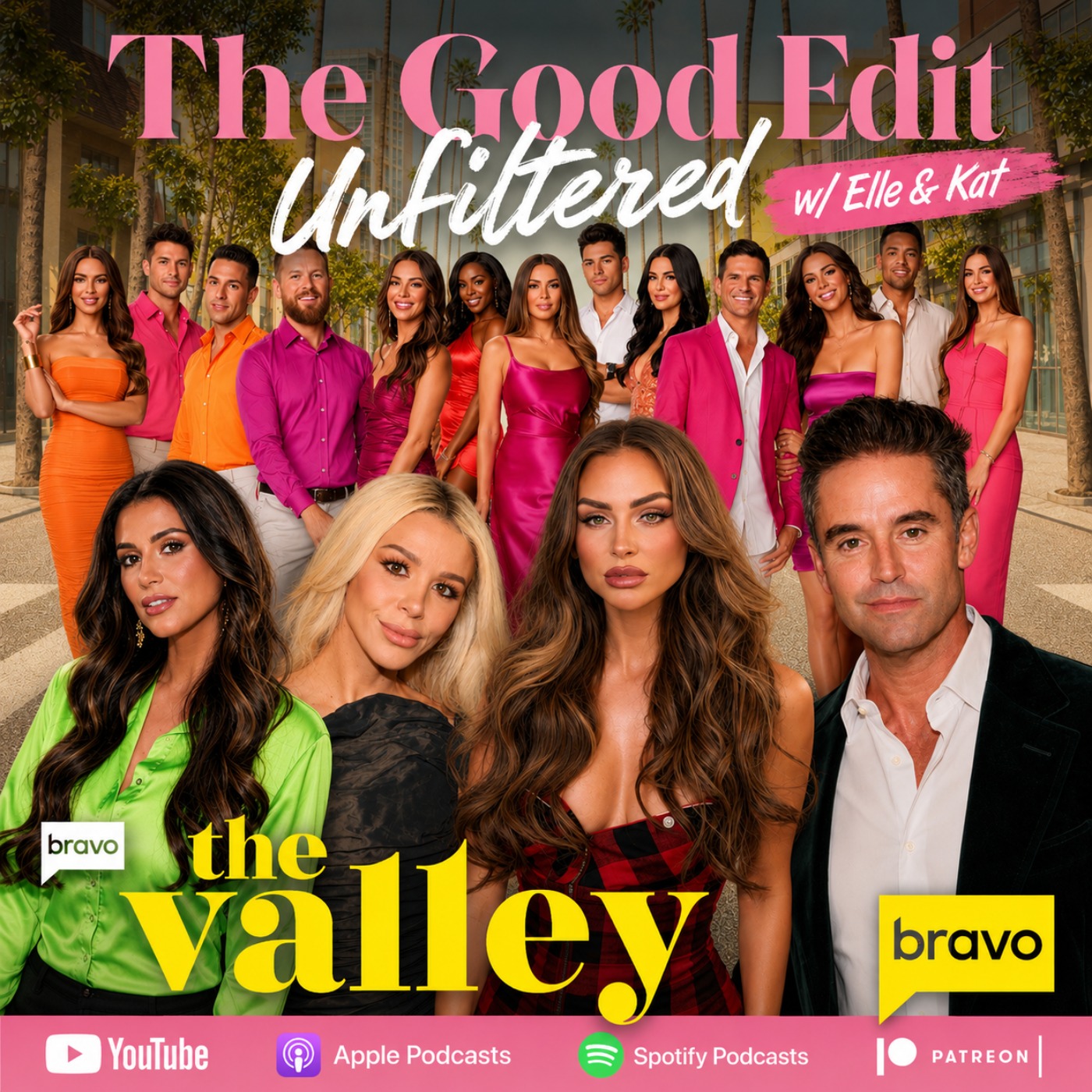
Navigating Reality TV: How Loyalty and Group Dynamics Shape The Valley's Narrative
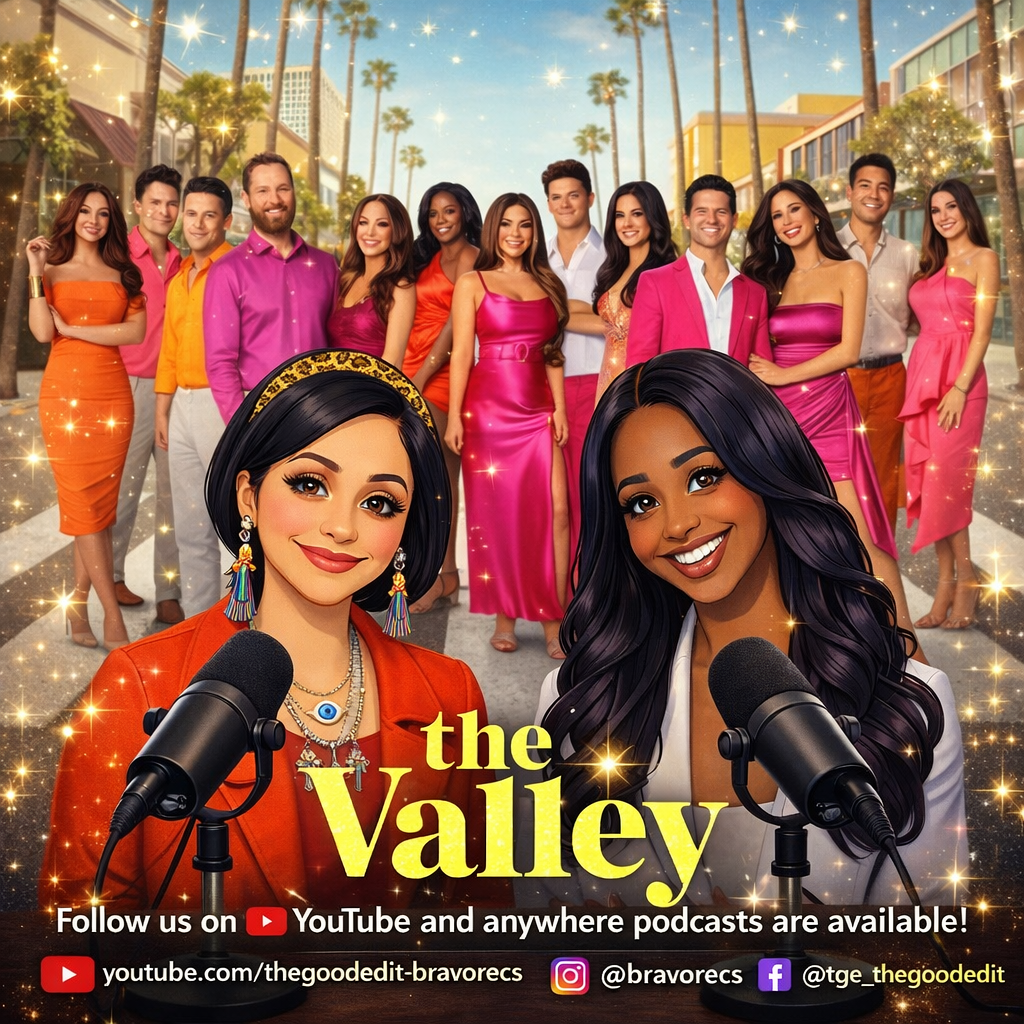
Explore the intricate web of loyalty, honesty, and group dynamics on 'The Valley,' and how these elements are amplified and manipulated by production. This post unpacks how the show's narrative is shaped by cast relationships, audience perceptions of authenticity, and the pressures of filming during sensitive life stages like postpartum.
Key Takeaways
- Production and editing strategically highlight moments of conflict and perceived disloyalty to create compelling storylines.
- The concept of 'group loyalty' on 'The Valley' is tested, with cast members often facing pressure to take sides.
- Authenticity and vulnerability from cast members can shape viewer perception, but these moments are also subject to narrative framing.
- The pressures of filming, especially during postpartum, can exacerbate relationship strains and influence how loyalty is perceived.
- Fan engagement boundaries are blurred when viewers feel a strong connection to cast members, influencing how they interpret displays of loyalty or betrayal.
The Illusion of Loyalty on Reality TV
Reality television, at its core, thrives on drama, conflict, and the examination of interpersonal relationships. 'The Valley,' Bravo's latest foray into the reality TV landscape, is no exception. Beneath the surface of lavish parties and simmering tensions lies a carefully constructed narrative, often built upon the perceived dynamics of loyalty and group cohesion amongst the cast. But how much of this loyalty is genuine, and how much is a product of strategic editing and production choices designed to maximize viewer engagement? This post delves into the complex interplay of genuine relationships and manufactured drama, particularly as explored in 'A Shitty Episode? | The Valley Recap Analysis Bravo Media Editing,' from The Good Edit Unfiltered podcast.
Production as Narrative Architects
The hosts of The Good Edit Unfiltered, Elle Schwartz and Kat Vasseghi, consistently emphasize that 'the edit is never accidental.' This is crucial when examining group dynamics. Production teams are tasked with crafting compelling storylines, and this often involves highlighting moments that pit friends against each other, or that create a narrative of disloyalty. Even seemingly minor disagreements can be amplified through selective editing, soundbites, and the juxtaposition of scenes. The goal is to create heroes and villains, and for that, there needs to be conflict. When looking at a show like 'The Valley,' where the cast is ostensibly a close-knit group of friends, the production's role in testing and potentially fracturing those bonds becomes a central theme.
Consider the pressures faced by cast members. Filming for a reality show is an intense experience, demanding significant emotional investment and often occurring during sensitive periods of their lives. For cast members like Brittany, navigating the challenges of postpartum while also being under constant camera scrutiny adds an immense layer of complexity. In such situations, support from friends can be critical. However, production may choose to highlight moments where support *isn't* present, or where perceived slights occur, thereby fostering a narrative of broken loyalty. This doesn't necessarily mean the friendships aren't real, but it does mean that their portrayal on screen is a curated version, designed for maximum dramatic impact.
Loyalty Under Pressure: The Valley Cast
The concept of 'group loyalty' is a recurring motif in many ensemble reality shows, and 'The Valley' is no different. The cast members are often expected to present a united front, or at least a clear understanding of alliances and disagreements. When new pressures emerge, such as relationship issues or personal struggles like postpartum recovery, the existing dynamics of the group are tested. How do the other cast members respond? Are they genuinely supportive, or do external pressures, including the demands of the show itself, cause rifts to appear?
In the context of 'The Valley,' the examination of these dynamics often circles back to questions of honesty and authenticity. If a cast member feels betrayed or unsupported, their reaction is amplified for the cameras. This can lead to public disputes that, while dramatic, may not fully represent the nuances of their friendships off-camera. The hosts of The Good Edit Unfiltered often break down how these perceived betrayals are constructed. For instance, a statement made by one cast member might be taken out of context and presented as a direct criticism of another, thereby manufacturing a sense of disloyalty where one might not have fundamentally existed.
Moreover, the audience plays a significant role in shaping how loyalty is perceived. Viewers become invested in the cast members, forming opinions based on the narratives presented. When a cast member appears to be ostracized or unsupported, the audience is likely to rally behind them, creating a feedback loop that can influence future storylines and even the cast members' own perceptions of their relationships. This is where the boundaries of fan engagement become particularly interesting. While viewers are encouraged to connect with the stars, their interpretations are heavily influenced by the edited reality they are shown.
Vulnerability and Its Role in Perceived Loyalty
The show's exploration of vulnerability, especially concerning Brittany's postpartum journey, offers a powerful lens through which to examine loyalty. When cast members are open about their struggles, it invites empathy from the audience. However, it also places them in a position where they are more susceptible to perceived slights or lack of support from their peers. If the group doesn't respond in the way the audience or the vulnerable cast member expects, it can be interpreted as a profound failure of loyalty.
The producers are acutely aware of this. Moments of vulnerability are prime opportunities to test the bonds of friendship. The editing can then emphasize any perceived shortcomings in the support offered. This doesn't mean the cast members are not friends, but it highlights how the reality TV format can expose and amplify the inherent complexities and potential fragilities within any group of people, especially under the intense pressure of constant filming and public scrutiny. The discussion around Danny and Britney's drinking behavior, for example, is framed within this context – how does the group respond to personal struggles, and does that response reflect genuine care or is it influenced by the narrative the show wants to tell?
Ultimately, 'The Valley' provides a fascinating case study in how reality television constructs narratives of loyalty. It’s a delicate dance between the genuine relationships of the cast, the strategic choices of producers and editors, and the evolving perceptions of the audience. The Good Edit Unfiltered podcast offers a critical perspective on these dynamics, urging viewers to look beyond the surface and understand the forces that shape the reality they see on screen.
For a deeper dive into these themes and the specific dynamics of 'The Valley,' Listen to the full episode and join Elle and Kat as they break down the unfiltered reality of Bravo's newest hit.
Frequently Asked Questions
How does editing create narratives of disloyalty on 'The Valley'?
Editing on 'The Valley' can create narratives of disloyalty by selectively choosing scenes, juxtaposing dialogue out of context, and focusing on moments of disagreement or perceived slights. This strategic assembly of footage aims to highlight conflict and test the bonds between cast members, even if the underlying friendships are more supportive in reality.
What is the role of group loyalty in reality TV storytelling?
Group loyalty is a key element in reality TV storytelling because it provides a foundation for drama. When loyalty is tested, challenged, or broken, it creates compelling storylines that engage viewers. Production often aims to expose the dynamics of loyalty within a cast to drive conflict and develop character arcs.
Can vulnerability on reality TV impact perceptions of loyalty?
Yes, vulnerability on reality TV can significantly impact perceptions of loyalty. When a cast member shares personal struggles, viewers and fellow cast members are often expected to show support. A perceived lack of adequate support during these vulnerable moments can be amplified by editing, leading to a narrative of disloyalty or betrayal.
How do personal challenges like postpartum affect cast dynamics on 'The Valley'?
Personal challenges like postpartum can significantly affect cast dynamics by introducing new stressors and emotional needs. These challenges can test the existing friendships and support systems within the cast. Production may highlight how the group responds to these challenges, potentially creating narratives around who is supportive and who is not, thus influencing the perception of loyalty.
What are the boundaries of fan engagement with reality stars regarding loyalty?
The boundaries of fan engagement are often blurred. Fans develop strong connections to reality stars and may strongly react to perceived breaches of loyalty. While fans can offer support, their interpretations are shaped by the edited content. Ideally, fan engagement should respect the privacy and complex realities of the cast members' lives beyond what is shown on screen.
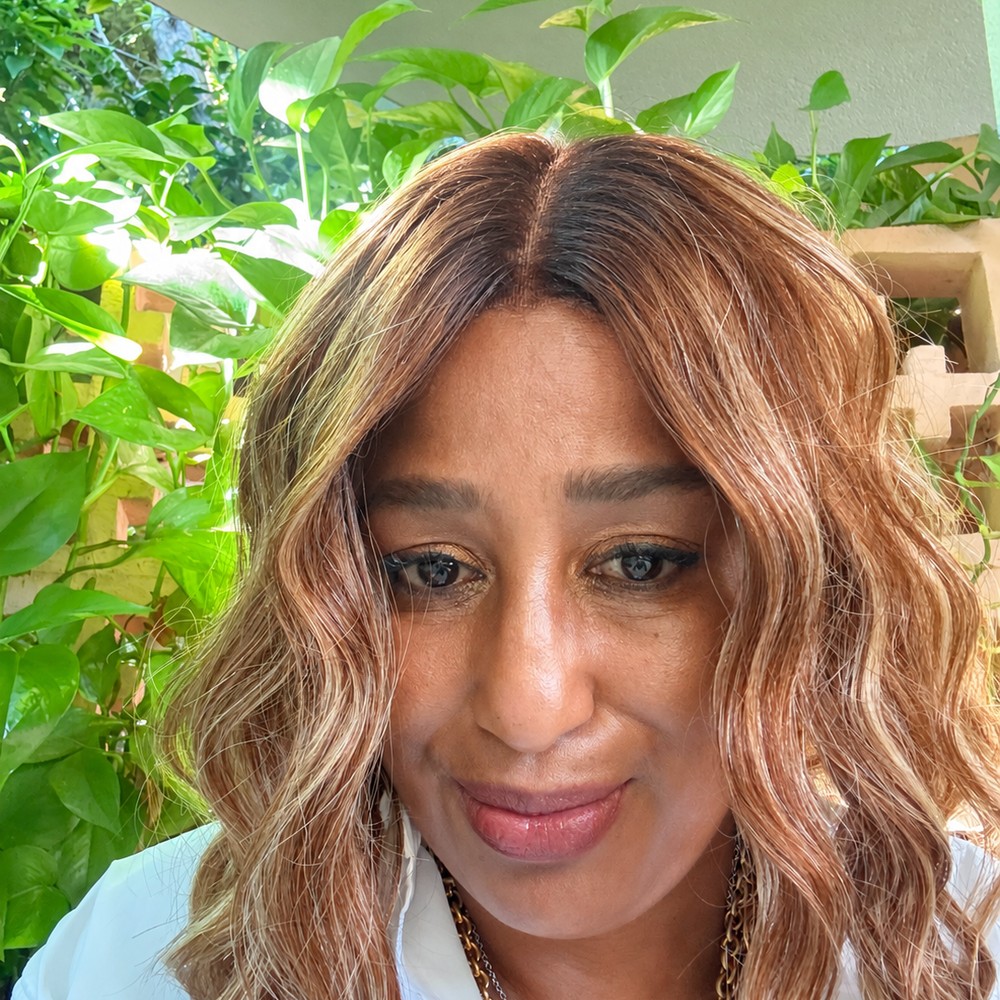
Creator | Host | Co-Executive Producer
Kat Vasseghi is a Bravo Commentator and the co-creator and co-host of The Good Edit w/ Elle & Kat, a culture-forward podcast where reality TV meets psychology, sociology, and sharp analysis. Previously known for her brand BravoRecs, Kat brings years of fluency in the Bravo universe its personalities, storylines, and fandoms paired with quick wit and a fan's instinct for the moments that matter. As a Bravo Commentator, she turns each recap into something sharper and more revealing than the average reaction show.
Known for her humor and culturally fluent takes, Kat reads the Bravo universe through the lens of the fans who live in it, catching the shifts and subtext other recaps miss. Alongside co-host Elle Schwartz, she co-created The Good Edit w/ Elle & Kat, blending cultural fluency, sharp humor, and elevated Bravo commentary into one of the most refreshing new voices in the reality TV podcast space.