Trauma-Bonding vs Healthy Attachment: Lessons from the MAFS Season 20 Premiere
trauma-bonding vs healthy attachment in relationships | When watching reality dating experiments, it is easy to mistake intense emotional volatility for a deep, soul-mate connection. In this post, we analyze how Season 20 of Married at First Sight serves as a case study for the difference between genuine healthy attachment and the hazardous trap of trauma-bonding. By examining the new cast's behaviors through a clinical lens, we can identify red flags early.
Key Takeaways
- Trauma-bonding often presents as an urgent, magnetic pull that mirrors true love but is actually rooted in familiar childhood pain.
- Producers are shifting the narrative toward psychological complexity, highlighting how past familial wounds dictate modern relationship responses.
- "Psychological safety" is the primary metric for long-term success, distinguishing couples who can heal together from those who merely re-enact past trauma.
- Shared triggers are not necessarily signs of compatibility; they are often indicators of underlying unresolved baggage that requires professional intervention.
The Anatomy of a Trauma-Bond
In the premiere of Married at First Sight Season 20, viewers are introduced to a new group of couples navigating an accelerated, high-pressure environment. As licensed therapist Kimberly A. Bryant notes, the most dangerous dynamic to watch for is the development of a trauma-bond. Unlike healthy attachment, which grows slowly through consistent actions and reliable emotional support, a trauma-bond is characterized by an intense, "fated" feeling that is often built on the intermittent reinforcement of highs and lows.
When a participant enters a relationship seeking to "fix" their partner or themselves through the relationship, they are often unconsciously recreating their early caregiver dynamics. This is not romance; it is a psychological reenactment. In the context of the show, if a couple feels an instant, overwhelming urge to save each other, it is often a sign that they are mirroring each other's trauma, which creates a volatile cycle of dysfunction.
Recognizing the Red Flags
So, how do we distinguish between falling in love and falling into a trap? It comes down to the pacing and the stability of the partner's character. Healthy couples demonstrate vulnerability with a foundation of calm. Trauma-bonded couples demonstrate vulnerability with a foundation of chaos. If a participant feels that they must perform, hide their true feelings to avoid conflict, or "earn" their partner's affection, they are likely stuck in a cycle of maladaptive bonding.
Psychological Safety: The Gold Standard
The most important element of any relationship, according to our experts, is the concept of psychological safety. This is the ability to show up as your authentic self without fear of retaliation, ridicule, or abandonment. On Season 20, the cast is being tested in ways that highlight who is capable of providing this safety and who is merely looking for an audience.
Authentic connection requires an individual to hold space for their partner’s wounds without taking responsibility for them. When couples like those featured this season begin to open up about their pasts, we look for signs of "holding space." Does the partner listen with curiosity and empathy, or do they immediately pivot the conversation to their own pain? The latter is a hallmark of someone who is not yet emotionally prepared for the high-stakes commitment required by this social experiment.
The Impact of Familial Trauma
Many of the individuals selected for this season bring with them complex histories of familial instability. When this is left unaddressed, the pressures of filming—the cameras, the experts, and the ticking clock of the marriage—act as a pressure cooker. We observe that couples who can openly name their triggers tend to have a higher success rate than those who try to mask them to appear "perfect" for the cameras. The shift this season toward highlighting these emotional realities makes for a more compelling, albeit cautionary, viewing experience.
Conclusion
As we navigate another season of love under the microscope, it is vital to remember that our favorite reality shows are more than just entertainment; they are laboratories for human behavior. By identifying the mechanics of trauma-bonding and the necessity of psychological safety, we can better understand why some relationships crash and burn while others manage to navigate the complexities of being Married at First Sight. For a deep-dive analysis into the specific cast dynamics and professional psychological commentary, Listen to the full episode. Join Elle, Kat, and our clinical experts as we break down the real-world implications of this season’s radical format changes.
Frequently Asked Questions
What is the difference between love and a trauma-bond?
Love is built on mutual respect, consistency, and safety. A trauma-bond is built on emotional intensity, uncertainty, and the unconscious desire to heal past wounds through a partner, often resulting in a cycle of volatility.
Can a trauma-bond ever turn into a healthy relationship?
It is difficult. It requires both partners to recognize the toxic patterns, seek individual therapy, and intentionally rebuild the relationship on a foundation of secure attachment rather than reactive cycles.
Why is psychological safety so important on reality TV?
Reality TV creates an artificial, high-stress environment. Without psychological safety, participants are likely to resort to defensive behaviors, which prevents the development of the genuine intimacy required for a lasting marriage.
Creator | Host | Co-Executive Producer
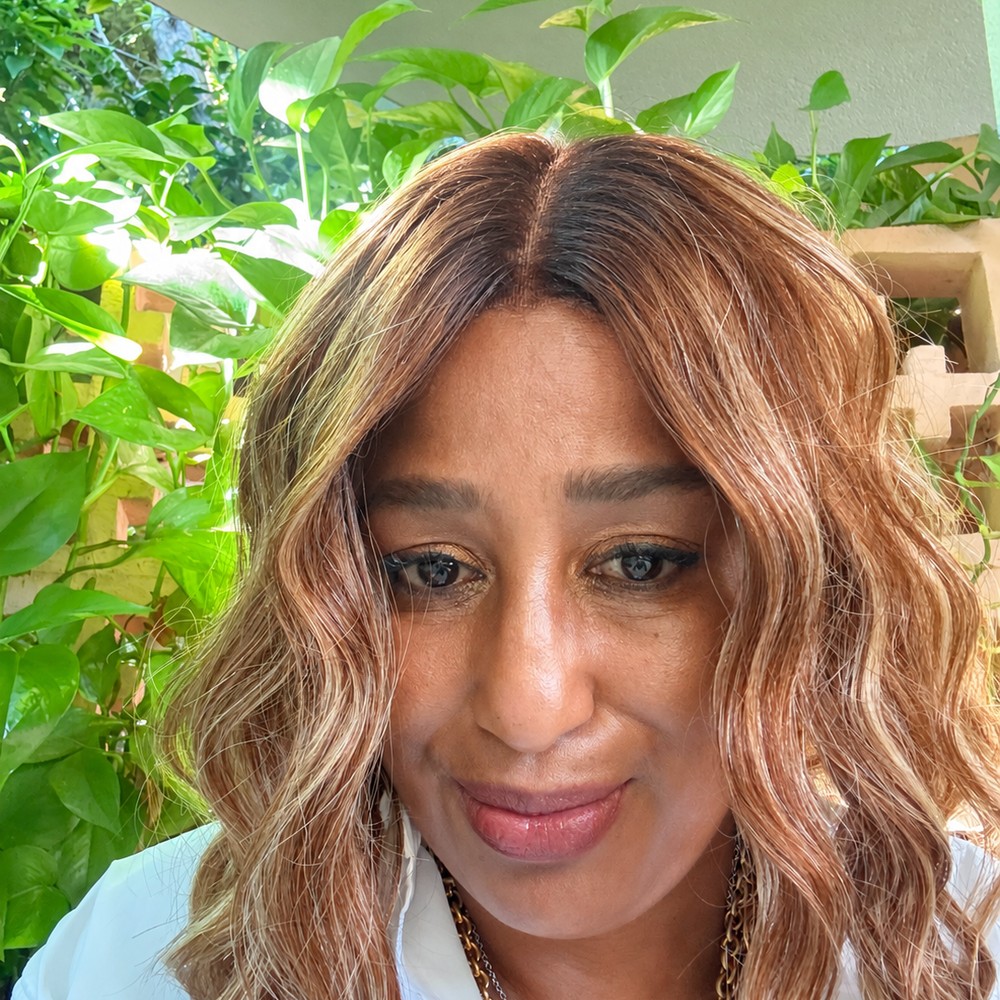
Elle Schwartz is a behavioral analyst, writer, and the creator, host, and executive producer of The Good Edit Unfiltered, an award winning podcast that brings context to reality television. Born in Compton, California, she holds five degrees from private institutions, including the University of Southern California, and draws on her background in behavioral science to examine how production edits shape the stories audiences see on screen.
Launched in February 2026, The Good Edit Unfiltered covers The Real Housewives franchises, Vanderpump Rules, Summer House, The Valley, and Married at First Sight.
The show is produced under Layered Media Inc. and Rude Mood Media, with Schwartz serving as executive producer alongside Ric Swartzlander. Its signature series, the Reality TV Cultural Reckoning, and its Grammar of Conflict framework explore how race, culture, and casting influence the way reality stars are portrayed.
In its first year, the podcast won three 2026 Black Podcasting Awards (Best Producer, Best Daily Podcast, and Original Music) and multiple 2026 Davey Awards, including Gold for the Reality TV Cultural Reckoning series. It ranks number 1 all time in Indie Real Housewives on Goodpods.
Schwartz is a member of the Television Critics Association and a founding member and judge of the Open Podcast Awards. She is also a credited co writer on Kyla & the White Guy, a scripted comedy series optioned by Roku. She lives in Encino, California.
Short bio (for spots with tight character limits)
Elle Schwartz is a behavioral analyst, writer… Read More