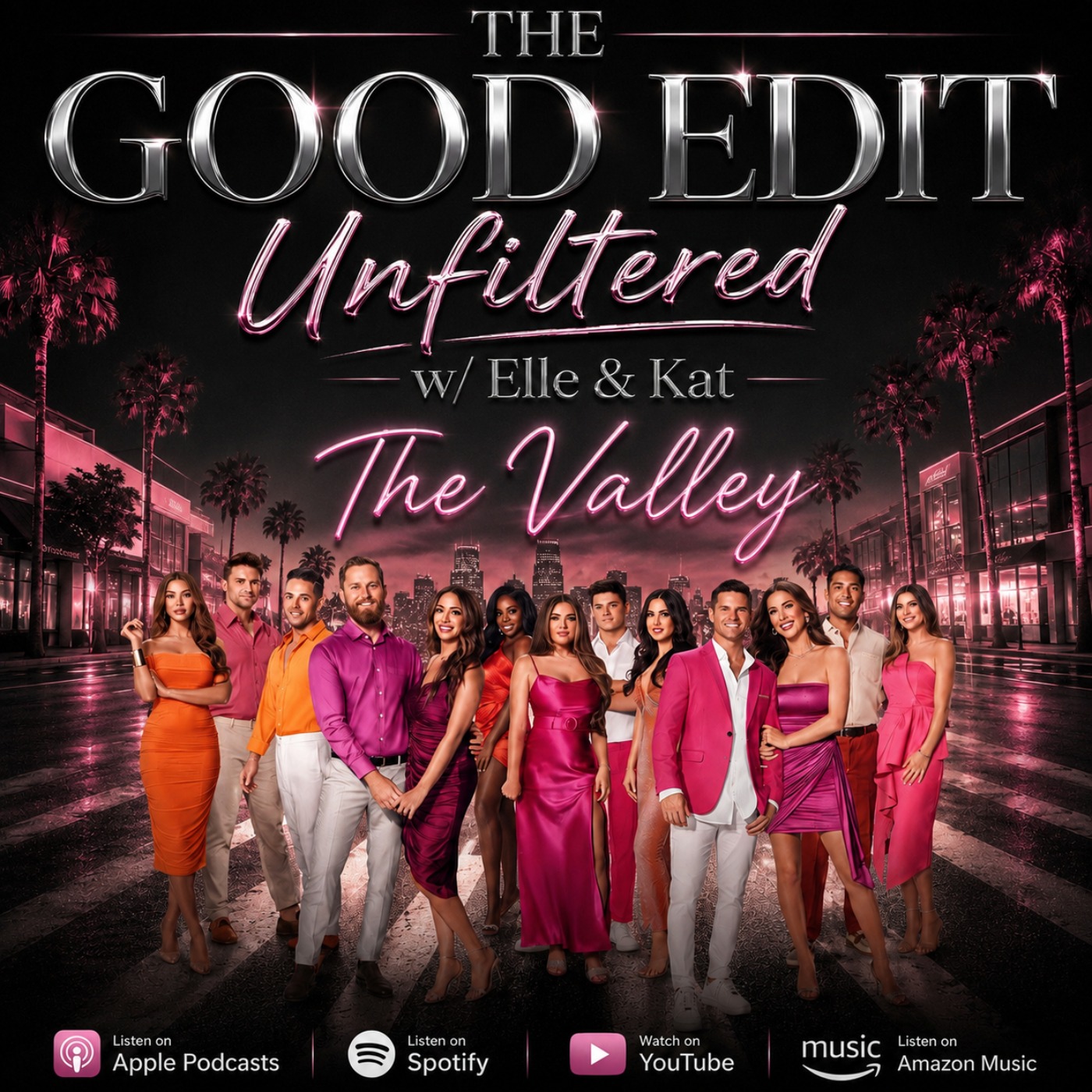
The Vulnerability Paradox: How Reality TV Stars Use Honesty as a Shield
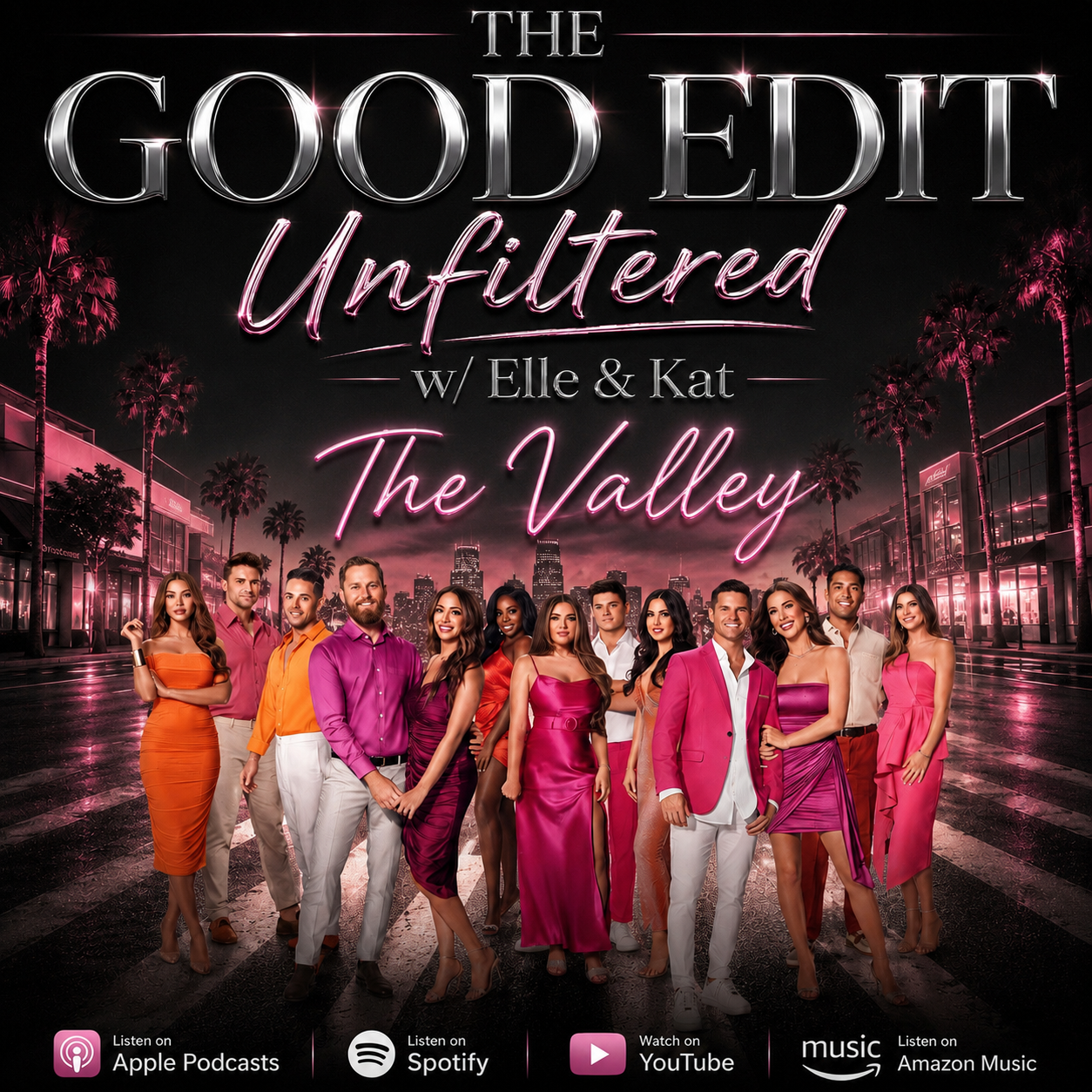
Authenticity vs edit reality tv | In the high-stakes world of reality television, authenticity is a double-edged sword. "The Valley" cast members, like many before them, are forced to navigate a delicate balance between revealing their true selves and protecting their mental well-being. This post explores how vulnerability can be both a weapon and a shield in the cutthroat arena of reality TV.
Key Takeaways
- Genuine vulnerability on reality TV can paradoxically offer a form of protection against manufactured drama and intense scrutiny.
- Cast members often strategically deploy honesty to control their narrative and preempt negative edits.
- The pressure to perform vulnerability can be emotionally taxing, blurring the lines between authentic emotion and strategic performance.
- Understanding this "vulnerability paradox" is crucial for viewers to critically assess the narratives presented on shows like 'The Valley'.
- Hosts of 'The Good Edit Unfiltered' highlight how real emotions, when captured and edited, can serve unexpected protective functions.
The Weaponization of Vulnerability
Reality television thrives on emotional rawness. Audiences are drawn to the unfiltered moments, the tears, the arguments, and the confessions. For cast members on shows like 'The Valley,' this creates an intense pressure to be constantly open and vulnerable. However, what often gets overlooked is how this very vulnerability can become a strategic tool. By revealing personal struggles, past traumas, or intimate details of their lives, cast members can preemptively shape how they are perceived. When a cast member openly discusses their anxiety, as seen with Janet on 'The Valley,' it can serve as a shield against accusations of being dramatic or attention-seeking during moments of genuine distress. This preemptive honesty allows them to frame their reactions, making it harder for producers or editors to twist their emotions into something they are not. It's a way of saying, "This is who I am, and this is what I'm dealing with," before the edit can put a different spin on it. The hosts of 'The Good Edit Unfiltered' often discuss how this perceived authenticity can disarm critics and garner sympathy, effectively controlling the narrative from the inside out.
The Strategic Performance of Honesty
The line between genuine emotion and strategic performance is perpetually blurred in reality TV. While cast members might be experiencing authentic feelings, the context in which these feelings are captured and presented is meticulously curated. For 'The Valley,' this means that even moments of profound honesty can be amplified, juxtaposed with other scenes, or strategically placed to serve a narrative arc. For instance, a cast member might choose to be open about a past mistake, not just out of a desire for catharsis, but as a calculated move to appear relatable and human, thereby inoculating themselves against harsher judgment later on. This isn't to say the emotions aren't real, but rather that their presentation is a performance. The hosts of 'The Good Edit Unfiltered' analyze these dynamics, noting how producers are adept at capturing these vulnerable moments and how cast members, in turn, learn to wield their honesty as a form of self-preservation. It's a complex dance where genuine personal struggles are leveraged for public consumption, creating a meta-narrative about the show itself. The more open a cast member appears, the more difficult it becomes for the audience, and potentially the producers, to condemn them outright. This creates a protective layer, a shield forged from perceived truth.
Navigating the Editing Room and Public Opinion
The editing room is where the ultimate narrative is constructed, and cast members are acutely aware of this power. They understand that a single tear, a raised voice, or a whispered confession can be transformed into a pivotal plot point. This awareness fuels the strategic use of vulnerability. By consistently presenting themselves as open and honest, even when it's difficult, cast members attempt to inoculate themselves against the more damaging aspects of the edit. If a cast member has already admitted to flaws or shared personal pain, it becomes harder for editors to portray them solely as a villain or someone to be disliked. It provides an “out,” a built-in justification for their actions or reactions. Hosts Elle and Kat frequently discuss the concept that "the edit is never accidental." This implies that cast members are often playing a game of chess, anticipating how their actions and words might be framed. By leading with vulnerability, they are attempting to control the initial moves, making the subsequent "checkmates" by the editors less devastating. It’s a sophisticated coping mechanism designed to mitigate the inevitable scrutiny and judgment that comes with being on a reality television show. The more one reveals, the less power the unknown and the unspoken hold over their public image.
The Psychological Toll of Performance Vulnerability
While strategically deploying vulnerability can offer a shield, the psychological toll of constantly performing one's deepest emotions for public consumption is immense. Cast members are under pressure not only to be authentic but to *appear* authentic, a constant tightrope walk that can lead to burnout and anxiety. The very act of being vulnerable, even strategically, requires immense emotional energy. When these moments are then dissected, criticized, and potentially manipulated by editors, it can lead to feelings of betrayal and exhaustion. Hosts Elle and Kat on 'The Good Edit Unfiltered' often touch upon the mental health aspects of reality TV, highlighting how the pressure to be an open book can feel invasive and debilitating. This performance of vulnerability can blur the lines between a person's private life and their public persona, making it difficult to switch off and find genuine respite. The "unfiltered" moments that viewers crave often come at a significant personal cost to the individuals experiencing them. The paradox is that the more they expose, the more they are seen, but this visibility doesn't always translate into safety or well-being. It’s a constant negotiation between the need for self-preservation and the demands of the show, a battle fought on the battlefield of their own emotions.
Finding Clarity in the Chaos
Understanding the "vulnerability paradox"—how openness can be a strategic defense mechanism in the face of intense scrutiny—is key to appreciating the complex dynamics at play in shows like 'The Valley.' It shifts the viewer's perspective from passively consuming drama to actively analyzing the performative nature of reality television. When we see a cast member share a deeply personal story or react with raw emotion, it's worth considering the layers of intention and strategy behind that moment. Is it a genuine cry for help, a calculated move to control their narrative, or a bit of both? The hosts of 'The Good Edit Unfiltered' encourage listeners to look beyond the surface, to recognize that "authenticity" in reality TV is rarely simple or uncomplicated. By dissecting these performances of vulnerability, we gain a deeper appreciation for the resilience and psychological fortitude required of reality TV cast members. It allows us to engage with the content more critically, understanding that what we see is a carefully constructed reality, where even the most genuine emotions can be part of a larger strategic game. This nuanced understanding enriches the viewing experience and offers a more profound insight into the human condition under pressure.
For a deeper dive into how reality TV narratives are crafted and the pressures faced by cast members, listen to the latest episode of The Good Edit Unfiltered w/ Elle and Kat: The Valley Danny Booko | Social Media Drama, Fallout & Hot Gossip Breakdown.
Frequently Asked Questions
Is vulnerability always a strategic choice in reality TV?
Not always. While many cast members strategically deploy vulnerability to control their narrative, genuine emotional moments can also arise organically. The complexity lies in how these moments are captured, edited, and presented to the audience, often blurring the lines between authentic expression and performance.
How does the "vulnerability paradox" protect cast members?
By openly sharing personal struggles or past traumas, cast members can preemptively shape public perception, making it harder for editors to portray them negatively. It allows them to frame their actions and reactions, thus building a shield against intense scrutiny and potential backlash.
Can being too vulnerable on reality TV have negative consequences?
Yes. The constant pressure to perform vulnerability can be emotionally exhausting and psychologically taxing, leading to burnout and anxiety. The blurring of personal and public lives, combined with potential manipulation by editors, can have significant mental health implications.
How do producers influence the portrayal of vulnerability?
Producers often guide conversations towards emotional topics, encourage cast members to open up about sensitive subjects, and strategically edit vulnerable moments to maximize dramatic impact or shape character narratives. They are adept at capturing and framing these moments for television.
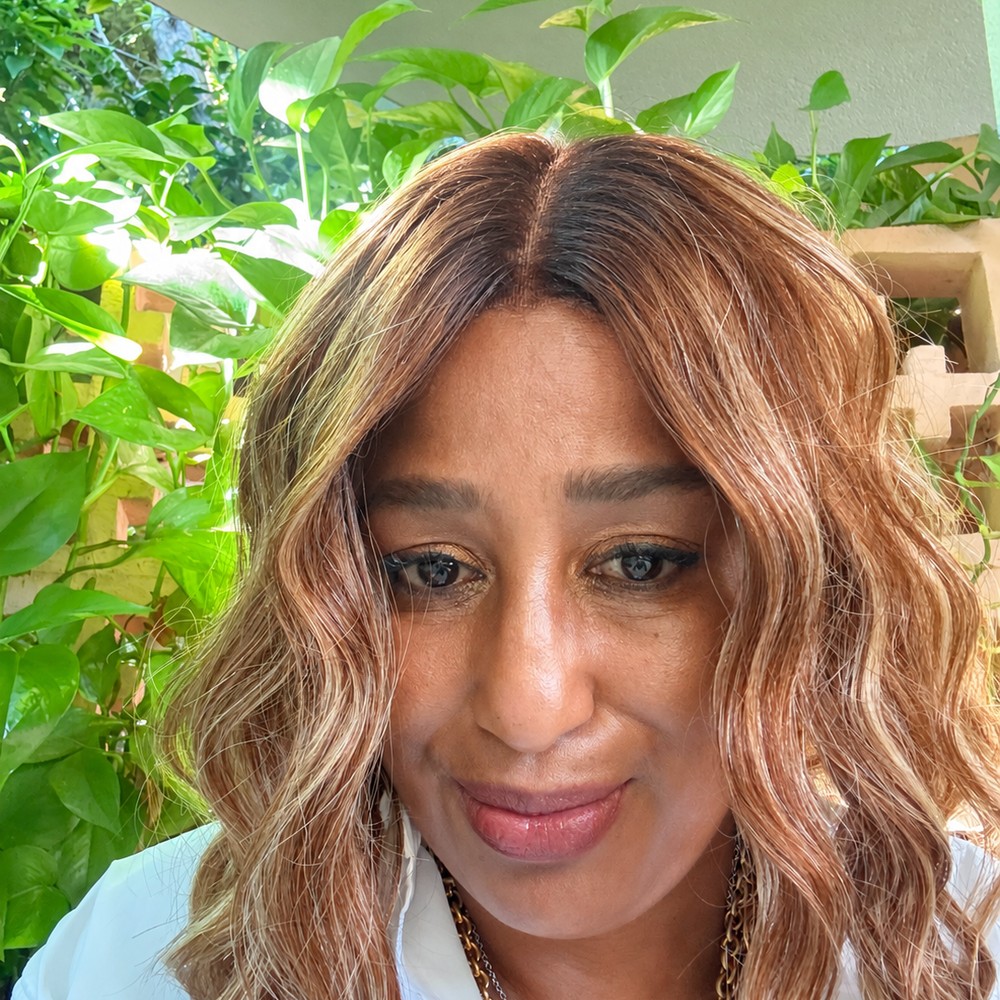
Creator | Host | Co-Executive Producer
Kat Vasseghi is a Bravo Commentator and the co-creator and co-host of The Good Edit w/ Elle & Kat, a culture-forward podcast where reality TV meets psychology, sociology, and sharp analysis. Previously known for her brand BravoRecs, Kat brings years of fluency in the Bravo universe its personalities, storylines, and fandoms paired with quick wit and a fan's instinct for the moments that matter. As a Bravo Commentator, she turns each recap into something sharper and more revealing than the average reaction show.
Known for her humor and culturally fluent takes, Kat reads the Bravo universe through the lens of the fans who live in it, catching the shifts and subtext other recaps miss. Alongside co-host Elle Schwartz, she co-created The Good Edit w/ Elle & Kat, blending cultural fluency, sharp humor, and elevated Bravo commentary into one of the most refreshing new voices in the reality TV podcast space.