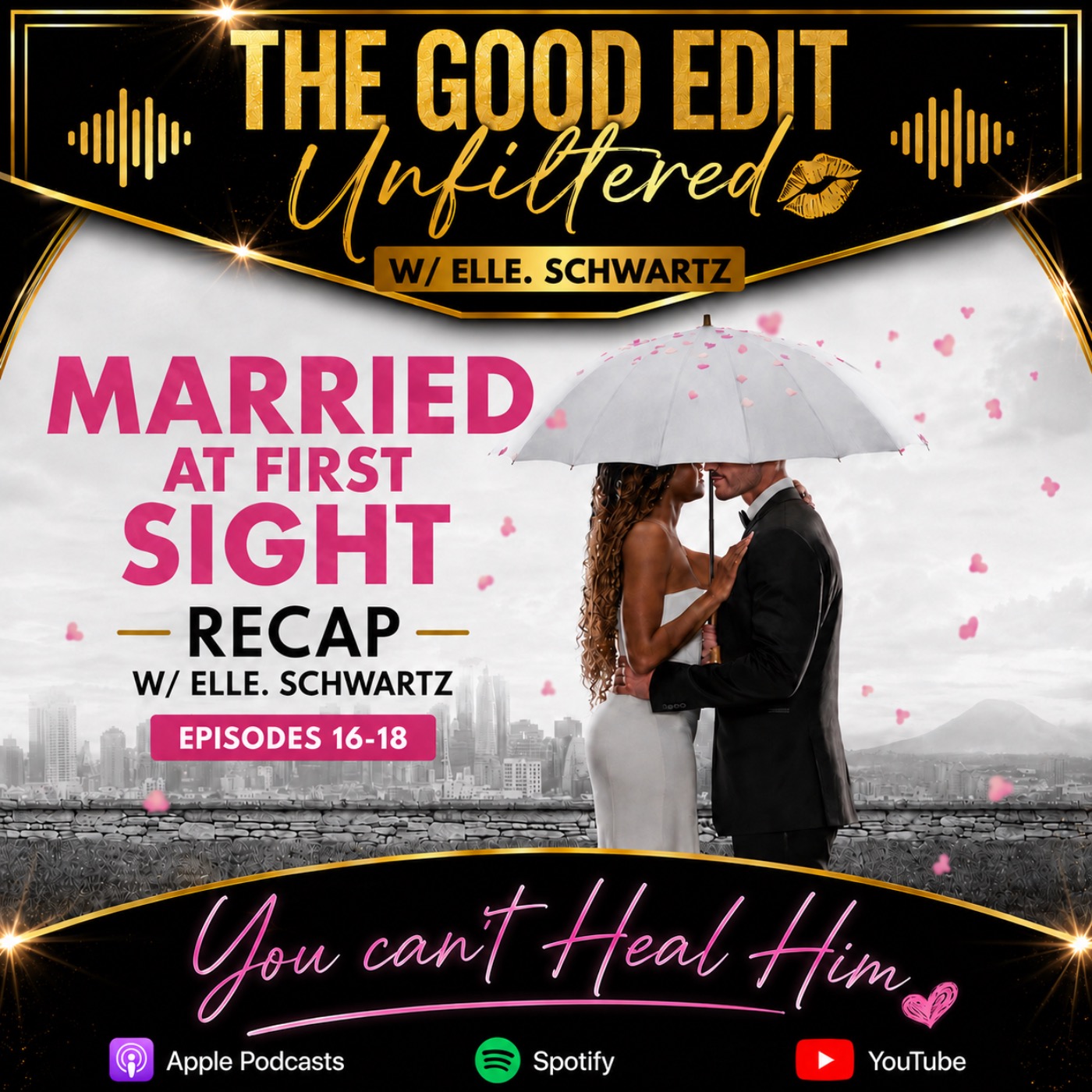
Why Reality TV Experts Match Trauma With Trauma on Married at First Sight
Reality TV matchmaking on Married at First Sight often pairs unhealed participants with romantic partners who mirror their deepest vulnerabilities. By examining behavioral patterns and expert matchmaking failures, viewers can understand why pairing trauma with trauma routinely sparks explosive conflicts, severe emotional defensiveness, and predictable relationship breakdowns before decision day.
Key Takeaways
- Experts on Married at First Sight frequently match unhealed individuals whose personal triggers directly clash or amplify one another.
- Pairing a partner with an adrenaline-seeking lifestyle to someone needing stability creates immediate emotional incompatibility.
- The show's modern format increasingly prioritizes dramatic spectacle and commentary over genuine therapeutic support.
- Behavioral analysis reveals that insecure attachment styles require careful, patient scaffolding rather than high-stress television experiments.
- Recognizing orange flags early can prevent viewers from normalizing toxic relationship dynamics in their own lives.
The Anatomy of a Bad Match on Reality TV
When millions of viewers tune into Married at First Sight, they expect to witness the magical formation of lifelong partnerships. However, behavioral analysis of recent seasons reveals a recurring, unsettling pattern: the experts appear to deliberately curate couples based on friction rather than foundational compatibility. Instead of pairing emotionally mature individuals equipped to handle the rigorous demands of an accelerated marriage, production often selects participants carrying heavy, unresolved baggage.
This approach transforms a social experiment into a psychological obstacle course. When two people carrying distinct, unaddressed emotional wounds are thrust into close quarters, they do not heal each other. Instead, they act as mutual triggers. One person's insecurity becomes the other person's breaking point, creating a volatile feedback loop of defensiveness, withdrawal, and escalation.
Trauma Bonding Versus True Compatibility
True compatibility requires shared core values, complementary communication styles, and a baseline level of emotional regulation. Conversely, trauma pairing relies on mutual distress. For example, when an adrenaline-seeking participant with an unfinished sense of self is matched with someone desperately seeking peace and predictability, the relationship is doomed from the altar. The adrenaline seeker craves constant stimulation and external validation, often exhibiting attention-seeking behaviors that read as immature or outright exhausting to a partner seeking stability.
Rather than providing therapeutic tools to bridge this gap, the expert panel steps back, allowing the ensuing frustration to play out for maximum dramatic impact. The result is a toxic dynamic where one partner performs the vast majority of the emotional labor, trying desperately to manage a relationship that lacks the fundamental bedrock of mutual safety.
Expert Matchmaking: Spectacle Over Therapy
Over the years, the role of the experts on Married at First Sight has undergone a noticeable shift. What once resembled a clinical, research-driven matchmaking process now feels closer to a reality television commentary panel. The professionals advising the cast frequently respond to deep-seated emotional distress with surface-level advice, urging participants to "open up" or "trust the process" without addressing the psychological barriers preventing them from doing so.
This shift from therapy to spectacle changes how audiences consume the show. Behavioral analysts note that when experts fail to hold participants accountable for harmful patterns—such as cutting a partner down during arguments or deflecting through petty retaliation—it sends a dangerous message to viewers. It normalizes emotional withholding and passive-aggressive communication as standard relationship hurdles rather than severe orange flags.
The Danger of Ignoring Orange Flags
Orange flags sit in that murky middle ground between minor quirks and deal-breaking red flags. On reality television, these behaviors are often amplified for entertainment value. Whether it is hyper-fixating on financial power imbalances, weaponizing vulnerability, or exhibiting intense insecurity disguised as perfectionism, these traits tell a clear story about a participant's readiness for marriage.
When casting decisions ignore these orange flags in favor of high-conflict potential, the resulting marriages suffer. Participants like Cameron or Adam, whose underlying insecurities manifest as perfectionism or an unstable adrenaline lifestyle, require environments of profound patience. Dropping them into an accelerated, public marriage format virtually guarantees that their defense mechanisms will kick in, alienating their spouses and alienating the audience.
Conclusion and Full Episode Analysis
Understanding the psychology behind reality television matchmaking allows viewers to look past the skillful editing and see the human dynamics at play. When shows prioritize spectacle over genuine emotional health, the participants pay the price in public scrutiny and emotional exhaustion. To hear a complete, scene-by-scene behavioral breakdown of the latest season's most controversial couples, be sure to Listen to the full episode. Join the community of Edittors for unfiltered reality TV analysis every week.
Frequently Asked Questions
Why do Married at First Sight experts match unhealed people?
From a television production standpoint, high-conflict pairings generate intense viewer engagement, dramatic storylines, and social media discussion. Unfortunately, this often supersedes clinical compatibility and long-term marital success.
What is the difference between an orange flag and a red flag in relationships?
A red flag represents a clear, dangerous deal-breaker such as abuse or manipulation. An orange flag is a warning sign of potential incompatibility or unresolved personal baggage—such as severe insecurity or erratic communication styles—that requires careful handling.
How does behavioral analysis change the way we watch reality TV?
Behavioral analysis looks past the edited narrative and focuses on genuine human psychology, attachment styles, and coping mechanisms. It helps viewers understand why participants react the way they do, shifting the focus from judging people as punchlines to understanding them as complex individuals.
Where can I listen to deeper breakdowns of Married at First Sight?
You can listen to comprehensive, unfiltered scene-by-scene recaps and psychological breakdowns on The Good Edit Unfiltered podcast, covering MAFS, Love Island USA, and the Bravo universe.