Why Older Cast Members Are Saving Reality Dating Shows
Casting olderrtalent in reality dating shows | Reality dating experiments often cast participants in their early twenties, resulting in volatile, superficial drama. However, as the focus shifts toward older contestants, the quality of engagement, emotional maturity, and the stakes of commitment change significantly. Viewers are finding that narratives involving cast members aged 30 to 48 offer a more grounded, relatable exploration of modern intimacy and the genuine challenges of finding a long-term partner.
Key Takeaways
- Older cast members approach marriage experiments with established life identities, reducing the likelihood of performative drama.
- Participants in their 30s and 40s possess higher stakes regarding their time and biological clocks, leading to more authentic vulnerability.
- Relatability for audiences over 30 has spiked as the narratives shift from "dating as a game" to "building a life together."
- The emotional fallout in older cohorts is deeper, providing a more serious study of psychological compatibility versus temporary attraction.
The Maturity Shift in Casting
For years, reality television relied on the trope of the "chaotic twenty-something" to drive engagement. By placing individuals with limited life experience into extreme scenarios, producers guaranteed explosive, often immature, conflict. But a pivot is occurring. By introducing cast members into their late 30s and 40s, shows are moving away from surface-level disputes and into the nuance of blending lives, careers, and personal histories.
What Older Contestants Bring
When someone enters a marriage experiment in their mid-40s, they aren't just looking for a "plus one" for a social event; they are looking for a life partner. This shifts the internal monologue of the cast. The conversations move from "do we have chemistry?" to "what are our financial goals, and how do we handle conflict with extended family?" This elevation of discourse forces the editing team to highlight adult communication rather than just petty squabbles, providing a much more sophisticated viewing experience.
The Risk of High-Stakes Commitment
While younger participants might treat a short-term marriage experiment as a career booster or a fun experience, older participants often have significantly more to lose. Their professional reputations, their established social circles, and their own sense of self-worth are tied to the outcomes. This creates a fascinating tension for the audience: we are watching people who have everything to lose attempt an experiment that is inherently precarious.
The Psychological Pressure
As discussed in our analysis, the emotional toll on older couples is substantial. When someone has spent a decade or more being single and independent, the transition to living with a stranger—even under the guise of an "experiment"—is fraught with psychological hurdles. The "reality" of reality TV becomes much sharper when the participants have fully formed personalities that are harder to compromise. This makes for better, more grounded television.
Relatability for the Mature Audience
One of the primary complaints about modern reality dating is the disconnect between the screen and the viewer. A 40-year-old viewer often finds little in common with a 22-year-old influencer chasing clout. By casting a more diverse age range, these programs capture a segment of the population that is actually searching for love in a fast-paced world. These viewers want to see how communication patterns, past trauma, and long-term values interact in a "real-world" setting, even if that setting is a television studio.
Conclusion
The evolution of casting choices is directly impacting how we consume and analyze these shows. While the drama remains, the texture of the narrative has matured. For those who want to see how these dynamics play out in specific, high-pressure environments, check out our deeper discussion on the intersection of reality and human behavior here: Listen to the full episode. We invite you to follow along as we continue to break down the psychology of reality TV.
Frequently Asked Questions
Why is age diversity important in dating shows?
Age diversity ensures that the show reflects different life stages, making the conflicts more nuanced and relatable to a broader demographic beyond the youth-obsessed market.
Do older cast members create better television?
Often, yes. Their life experience allows for more articulate discussions about expectations and boundaries, moving the show away from mindless drama into meaningful psychological territory.
How does identity impact marriage experiments?
Older participants have more firmly established identities, making the process of merging lives with a stranger more challenging and, consequently, more compelling to observe.
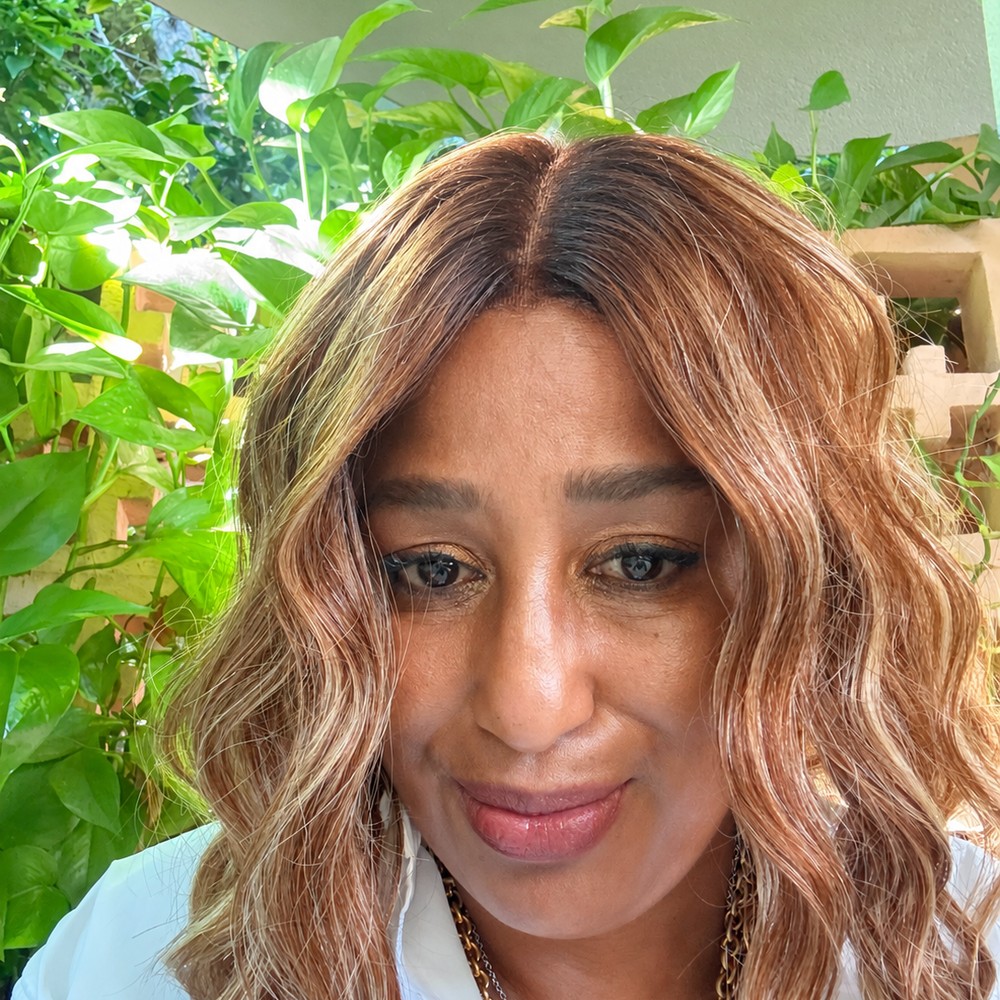
Creator | Host | Co-Executive Producer
Elle Schwartz is a behavioral analyst, writer, and the creator, host, and executive producer of The Good Edit Unfiltered, an award winning podcast that brings context to reality television. Born in Compton, California, she holds five degrees from private institutions, including the University of Southern California, and draws on her background in behavioral science to examine how production edits shape the stories audiences see on screen.
Launched in February 2026, The Good Edit Unfiltered covers The Real Housewives franchises, Vanderpump Rules, Summer House, The Valley, and Married at First Sight.
The show is produced under Layered Media Inc. and Rude Mood Media, with Schwartz serving as executive producer alongside Ric Swartzlander. Its signature series, the Reality TV Cultural Reckoning, and its Grammar of Conflict framework explore how race, culture, and casting influence the way reality stars are portrayed.
In its first year, the podcast won three 2026 Black Podcasting Awards (Best Producer, Best Daily Podcast, and Original Music) and multiple 2026 Davey Awards, including Gold for the Reality TV Cultural Reckoning series. It ranks number 1 all time in Indie Real Housewives on Goodpods.
Schwartz is a member of the Television Critics Association and a founding member and judge of the Open Podcast Awards. She is also a credited co writer on Kyla & the White Guy, a scripted comedy series optioned by Roku. She lives in Encino, California.
Short bio (for spots with tight character limits)
Elle Schwartz is a behavioral analyst, writer… Read More