

 Apple Podcasts
 Spotify
 Deezer
 Amazon Music
 iHeartRadio
 YouTube
 Podcast Addict
 Castbox
 Castro
 Goodpods
 RSS Feed
 Read the Room | Reunion Chart Psychology Bravo Show Reunion Deep Dive
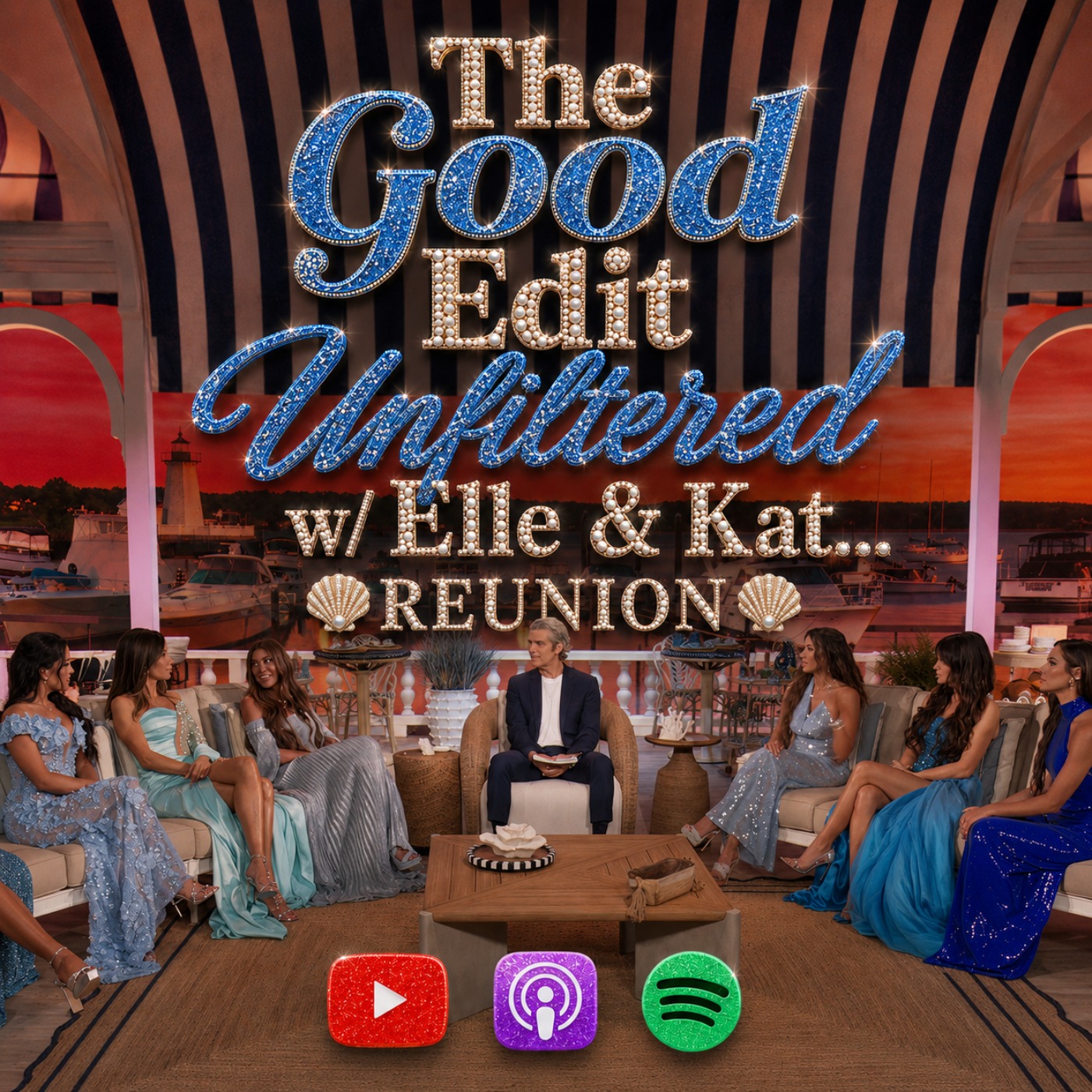
The Real Housewives of Rhode Island Reunion Recap | The Psychology of the RHORI Reunion Seating Chart
Key Takeaways
- A Real Housewives reunion seating chart is a powerful storytelling device, conveying narratives about power and conflict before any words are spoken.
- Behavioral analysis techniques like sociograms and proxemics can decode the subtle messages embedded in cast placement, revealing social hierarchies and tensions.
- Strategic seating arrangements are used by production to create pressure systems and highlight specific storylines, turning physical space into a tool for drama.
- Exclusion from a reunion, like Dolores Catania's absence, is a significant indicator of status, signifying more than just a bad seat—it means not being at the table.
- The audience, or 'Edittors,' intuitively understands reunion staging, and their expectations can shape how they perceive the events that unfold.
Before a single word is spoken at a Real Housewives reunion, the narrative is already being set, all thanks to the strategic placement of cast members. In this episode of The Good Edit Unfiltered, behavioral analyst Elle Schwartz unpacks the intricate reunion seating chart psychology, revealing how a simple arrangement of furniture on a reunion couch is never just about comfort—it's about power, status, and storytelling.
The Reunion Seating Chart: A Visual Sociogram
Elle Schwartz, a behavioral analyst and cultural diversity expert, treats the reunion seating chart not just as a backdrop, but as a sociogram. This is a powerful tool used by behavioral scientists to visually map out the social hierarchy and power dynamics within a group. By analyzing who is seated where, and who is positioned across from whom, we can understand who holds influence, who is being marginalized, and the unspoken tensions that exist between cast members.
Proxemics: How Space Fuels Reality TV Drama
Delving deeper, the episode explores the principles of proxemics, the study of how the physical space we occupy influences our interactions and can even govern human conflict. Elle explains how Bravo production utilizes seating arrangements as a deliberate pressure system, strategically placing individuals to amplify drama and highlight specific storylines. The physical distance, or closeness, between cast members on screen becomes a character in itself, speaking volumes about their relationships and the season's conflicts.
Decoding the RHORI Season 1 Reunion Seating Chart
The episode provides a compelling breakdown of the Real Housewives of Rhode Island Season 1 reunion seating chart, illustrating these concepts with concrete examples:
- Alicia and Liz: Placed in the first chairs, facing each other, their seating arrangement highlighted their fractured friendship, ensuring their “quietest grudge” was front and center, at eye level for maximum impact.
- Jo-Ellen and Rulla: In the matching second chairs, their positioning across from each other was designed to keep the season's cheating scandal in the spotlight, exactly where the cameras wanted it.
- Rosie and Kelsey: Occupying the third chairs, their placement underscored the season's most explosive blow-up, placing the focal point of the major conflict in a prominent position.
- Ashley: Positioned alone at the far end, with no one directly across from her, Ashley's seating arrangement immediately signaled her status as an outsider before she even spoke a word.
The Power of Exclusion: When Not Being at the Table Speaks Loudest
Perhaps the most potent illustration of reunion seating chart psychology is the seat that doesn't exist. The absence of Dolores Catania from the RHORI reunion, despite being a friend of the cast all season, is a critical point. Elle unpacks what this exclusion signifies: it’s not just about a bad seat, but about not being invited to the table at all. This reveals who is considered a full member of the cast and who is merely a temporary guest, a powerful statement about hierarchy and belonging.
Audience Intuition and the "Edittors"
The episode also highlights how the audience, affectionately dubbed "Edittors" by the podcast, intuitively understands the language of staging. Viewers debated the RHORI reunion seating chart for days before it even aired, instinctively recognizing the narrative cues embedded in the placement. Elle explains how these pre-primed expectations, shaped by the visual language of the chart, quietly influence what we perceive once the cameras start rolling.
This deep dive into reunion seating chart psychology is a prime example of the work The Good Edit Unfiltered is dedicated to: bringing essential context to reality television and challenging audiences to recognize the nuanced construction of the housewife experience. We explore how production choices, including edits and staging, can unfairly shape narratives and perceptions.
Pour something, grab a crackah, and come read the room with us.
Want even more? Head to our Patreon for the extended breakdown, including the seating chart annotated beat by beat. Subscribe, rate, and tell us in the comments: did Bravo get the chart right?
The Good Edit Unfiltered w/ Elle and Kat is a Bravo reality TV analysis podcast hosted by behavioral analyst and cultural and diversity expert Elle Schwartz and Bravo commentator Kat Vasseghi. We go beyond the recap to examine how editing shapes hero and villain narratives, how casting drives storylines, and the psychology underneath the drama. Receipts, context, and Bravo gossip that actually means something, because the edit is never accidental.
We cover RHOBH, RHOSLC, RHOP, RHONY, RHONJ, RHOA, RHORI, Vanderpump Rules, Summer House, and The Valley through recaps, deep dives, guest interviews, memoirs, and hot takes. Watch the franchises on Bravo and Peacock, then let us tell you what the edit left out.
Recent guests include David Yontef, Georgio Says, and Barbara Bonds.
Listen wherever you get your podcasts: Apple Podcasts, Spotify, iHeart, Acast, YouTube. Get ad-free VIP content on Patreon.
Hosted on Acast. See acast.com/privacy for more information.
The Good Edit Unfiltered brings context to reality television, exploring how the housewife and reality TV experience is sometimes shifted unfairly through production edits. Hosted by behavioral analyst Elle Schwartz and Kat Vasseghi. A production of Layered Media Inc. and Rude Mood Media. Booking inquiries: Ric Swartzlander, ricswartzlander@thegoodedit.net. Bringing context to reality TV, one episode at a time.
Copyright 2026 Layered Media Inc. All rights reserved.
Frequently Asked Questions
What is reunion seating chart psychology?
Reunion seating chart psychology analyzes how the physical arrangement of cast members at a reality TV reunion is strategically used to communicate power dynamics, relationships, and storylines.
How does production use seating charts to create drama?
Production uses proxemics, the study of physical space, to place cast members strategically, creating pressure systems and highlighting conflicts by seating rivals or friends facing off.
What does it mean if a cast member isn't invited to a reunion?
Exclusion from a reunion signifies a lower status within the group, indicating they are not considered a full member of the cast and are treated more like an outsider.
How do fans interpret reunion seating charts?
Fans often intuitively understand the language of staging, debating and interpreting seating arrangements to predict or analyze cast dynamics and production intent before the reunion even airs.