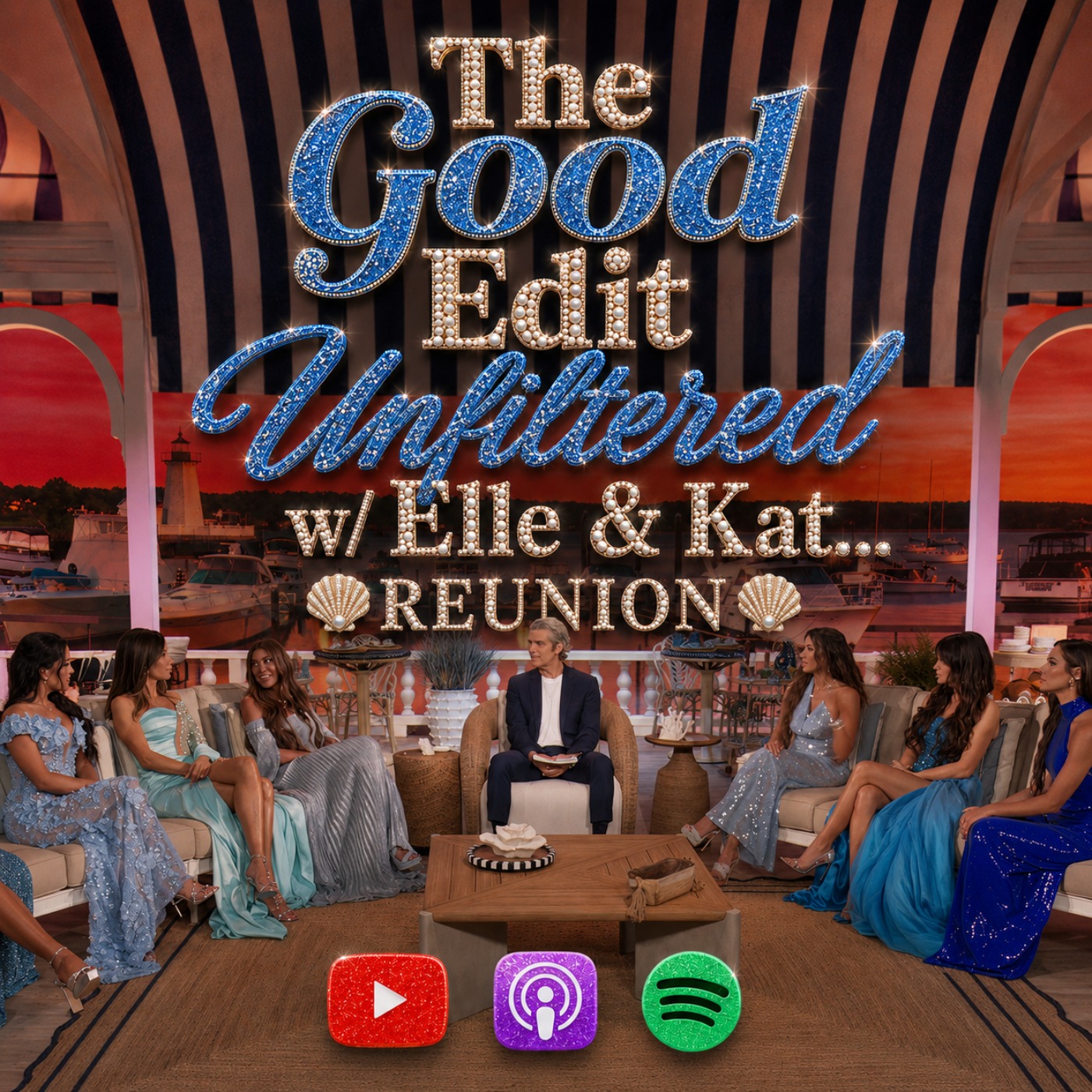
Beyond the Couch: Unpacking the Politics of Exclusion in Reality TV Reunions

Politics of Exclusion Reunions | Ever wondered why some Housewives get a prime seat at the reunion and others don't? This post breaks down how exclusion, not just placement, becomes a powerful storytelling tool in reality TV. Learn how a missing seat can speak volumes about a cast member's status and production's narrative strategy.
Key Takeaways
- The absence of a cast member from a reunion is a deliberate production choice, conveying their marginalized status more powerfully than a bad seat.
- Exclusion from the reunion table signifies a shift from being an active participant to an outsider, impacting the perceived hierarchy.
- Audience perception is pre-conditioned by production's subtle cues, including who is invited and who is not, shaping how narratives are received.
- This tactic of exclusion is a sophisticated narrative device, used to reinforce storylines and manage cast dynamics without explicit dialogue.
- Understanding exclusion helps decode the deeper power plays and production strategies at work behind the scenes of reality television.
The Empty Chair as a Statement
In the meticulously crafted world of reality television, every detail matters. While the drama often unfolds on screen, the behind-the-scenes decisions made by production can be just as revealing. One of the most potent, yet often overlooked, narrative devices is the act of exclusion. It's not just about who gets the best seat at the reunion; it's about who doesn't get a seat at all. As behavioral analyst Elle Schwartz expertly unpacks in 'Read the Room,' the absence of a cast member from a reunion can be a far louder statement than any glare or pointed remark made from the comfort of a strategically placed couch.
Think about it: a reunion is the ultimate 'tell-all,' a place where every cast member is theoretically brought together to hash out their differences, confront their actions, and face the music. When someone is conspicuously absent, it sends a clear signal about their current standing within the show's ecosystem. They aren't just on the edge of the conversation; they've been removed from the possibility of participating entirely. This isn't a minor oversight; it's a calculated move by production to signify that the individual in question is no longer considered a full, active member of the cast. They've been relegated to the status of an outsider, someone whose presence is no longer deemed essential for the narrative the producers want to convey.
Proxemics of Non-Existence: When Absence is Present
The concept of proxemics, the study of how humans use space and the effect that physical distance has on behavior, communication, and social interaction, is crucial when analyzing reunion seating charts. But what happens when the 'space' occupied by a cast member is, in fact, a void? Elle Schwartz highlights the case of Dolores Catania's exclusion from the Real Housewives of Rhode Island Season 1 reunion as a prime example of this 'proxemics of non-existence.' Her absence wasn't just a missed opportunity for drama; it was a powerful statement from production about her role, or lack thereof, in the season's core conflicts.
While other cast members might be strategically placed to maximize tension – friends facing each other to highlight a broken bond, rivals positioned for direct confrontation, or those involved in major blow-ups seated prominently – the absent individual is effectively placed 'outside the frame.' This void communicates a hierarchy, a social ranking that is established not by proximity to the host or to other cast members, but by the very fact of not being present. It's a stark visual that communicates a lack of engagement, a detachment from the season's central storylines, or perhaps a deliberate decision by production to sideline a character whose narrative arc has concluded, or worse, never truly began.
Exclusion as a Narrative Tool
Production teams are master manipulators of narrative, and exclusion is one of their most sophisticated tools. By choosing not to invite certain individuals to the reunion, they can subtly influence audience perception without uttering a single word. It's a way to:
- Reinforce the 'villain' narrative: If a cast member has been consistently portrayed negatively, their exclusion can be seen as confirmation of their irredeemable status.
- Signal a 'passing through' status: For cast members who may not have had a strong storyline or impact, their absence suggests they were merely guests in the season, not integral players.
- Manage future casting decisions: Exclusion can be a soft way of indicating that a cast member is unlikely to be invited back for future seasons.
- Control the narrative flow: By removing certain voices, producers can ensure that the conversations and confrontations they deem most important take center stage, free from potential distractions or counter-narratives.
The audience, often referred to by The Good Edit Unfiltered as 'Edittors,' are remarkably adept at picking up on these cues. The debates that erupt online before a reunion airs, with fans dissecting who 'earned' a certain seat or who 'should' be there, demonstrate a collective understanding of this unspoken language. When a key player is missing, the fandom notices, and their interpretations often align with the narrative that production is implicitly building.
Reading the Unseen Narrative: The Power of Audience Perception
The brilliance of using exclusion as a narrative device lies in its subtlety and its reliance on audience interpretation. It taps into our innate understanding of social dynamics – in any group setting, those who are not present are often the subject of discussion, or their absence speaks volumes about their perceived importance. In the context of a reality TV reunion, this plays out on a grand scale.
When Dolores Catania was not invited to the RHORI reunion, it wasn't just about a missing chair; it was about her perceived position in the show's social hierarchy for that season. Was she a side character? A tangential figure? Or was her involvement simply not conducive to the drama the producers wanted to highlight? The lack of an invitation suggests the latter. It positions her as someone who, for the purpose of that specific reunion's narrative, was not essential. This contrasts sharply with the cast members who are placed strategically, their seating arrangements designed to amplify existing conflicts or forge new ones.
The 'Edittors' intuitively grasp this. They see an empty seat, or a missing person, and they begin to construct their own narrative about why that might be. This collective interpretation then feeds back into the show, reinforcing the very narrative production is trying to establish. It's a self-fulfilling prophecy driven by the subtle manipulation of presence and absence. It challenges us to look beyond the obvious drama and consider the silent, unseen forces that shape our perception of reality television.
This deep dive into the politics of exclusion at reality TV reunions offers a powerful lens through which to view the intricate world of show production. It's a reminder that in the reality TV landscape, what you *don't* see can be just as important, if not more so, than what is put directly in front of you. The absence of a voice, the missing face at the table, can be the loudest statement of all, shaping narratives and reinforcing power dynamics in ways that are both subtle and profoundly impactful.
To delve deeper into the psychological strategies behind reality TV staging, listen to the full episode of The Good Edit Unfiltered. Elle Schwartz breaks down the nuances of cast dynamics and production choices, giving you the context you need to truly understand the shows you love.
Frequently Asked Questions
What does it mean when a Housewife is not invited to a reunion?
When a Housewife is not invited to a reunion, it often signifies that production deems them less central to the season's overarching narrative or conflicts. It can indicate their role is considered tangential, their storyline has concluded, or they are being subtly sidelined from future involvement with the show.
How does exclusion differ from bad seating placement at a reunion?
Bad seating placement is about strategically positioning a cast member to amplify existing tensions or narratives *within* the reunion setting. Exclusion, on the other hand, removes the cast member entirely, signifying a complete detachment from the season's core discussions and a potential shift in their status from participant to outsider.
Can audience speculation about missing cast members influence the show's narrative?
Yes, audience speculation about why a cast member is missing can reinforce or even create a narrative around their absence. If viewers widely believe a cast member was excluded for a particular reason, production might lean into that perception, effectively validating the audience's interpretation and shaping the overall story.
How do producers use exclusion to manage cast dynamics?
Producers use exclusion to manage cast dynamics by controlling who gets to participate in the final, high-stakes conversation of a season. It can be used to emphasize who is 'in' and who is 'out,' to validate certain alliances or conflicts, and to signal to the cast and viewers who holds more narrative power.
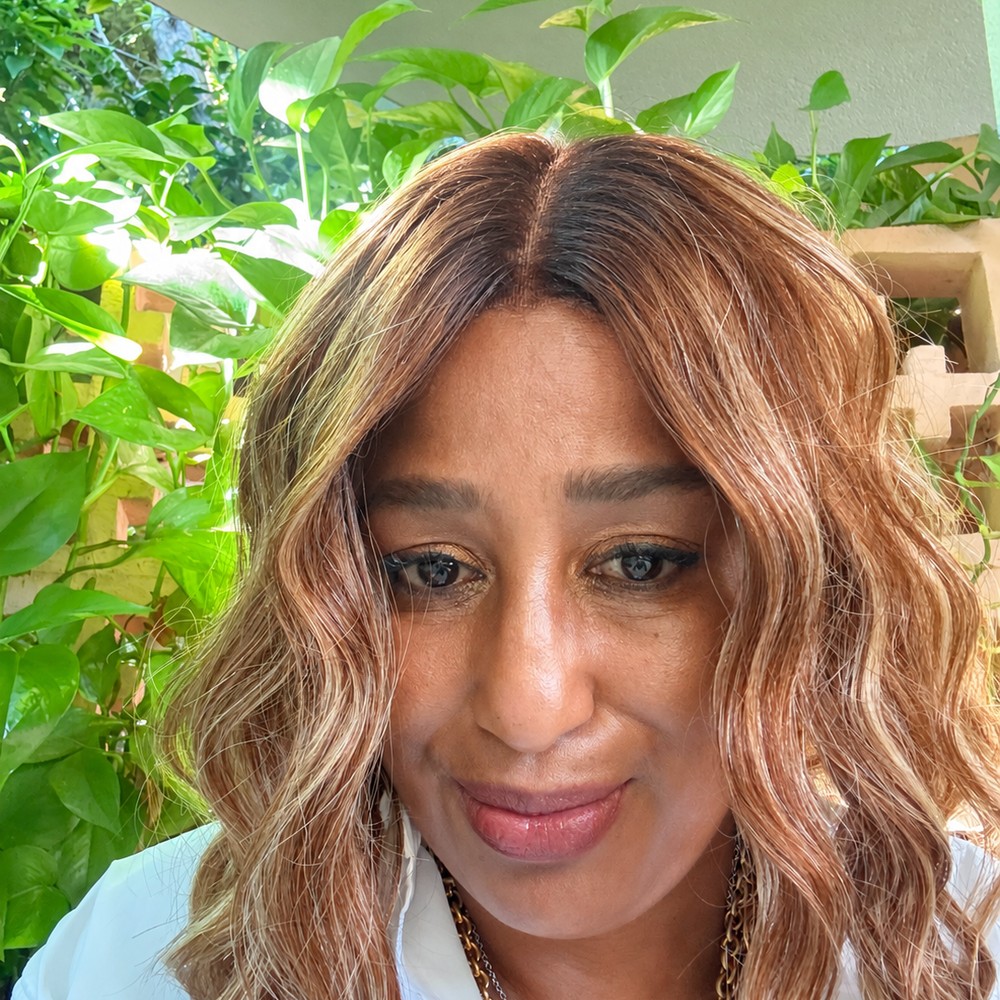
Creator | Host | Co-Executive Producer
Kat Vasseghi is a Bravo Commentator and the co-creator and co-host of The Good Edit w/ Elle & Kat, a culture-forward podcast where reality TV meets psychology, sociology, and sharp analysis. Previously known for her brand BravoRecs, Kat brings years of fluency in the Bravo universe its personalities, storylines, and fandoms paired with quick wit and a fan's instinct for the moments that matter. As a Bravo Commentator, she turns each recap into something sharper and more revealing than the average reaction show.
Known for her humor and culturally fluent takes, Kat reads the Bravo universe through the lens of the fans who live in it, catching the shifts and subtext other recaps miss. Alongside co-host Elle Schwartz, she co-created The Good Edit w/ Elle & Kat, blending cultural fluency, sharp humor, and elevated Bravo commentary into one of the most refreshing new voices in the reality TV podcast space.