
 Apple Podcasts
 Spotify
 Deezer
 Amazon Music
 iHeartRadio
 YouTube
 Podcast Addict
 Castbox
 Castro
 Goodpods
 RSS Feed
 Highland Games, Explosive Claims | RHOA Deep Dive Bravo Cast Drama Analysis
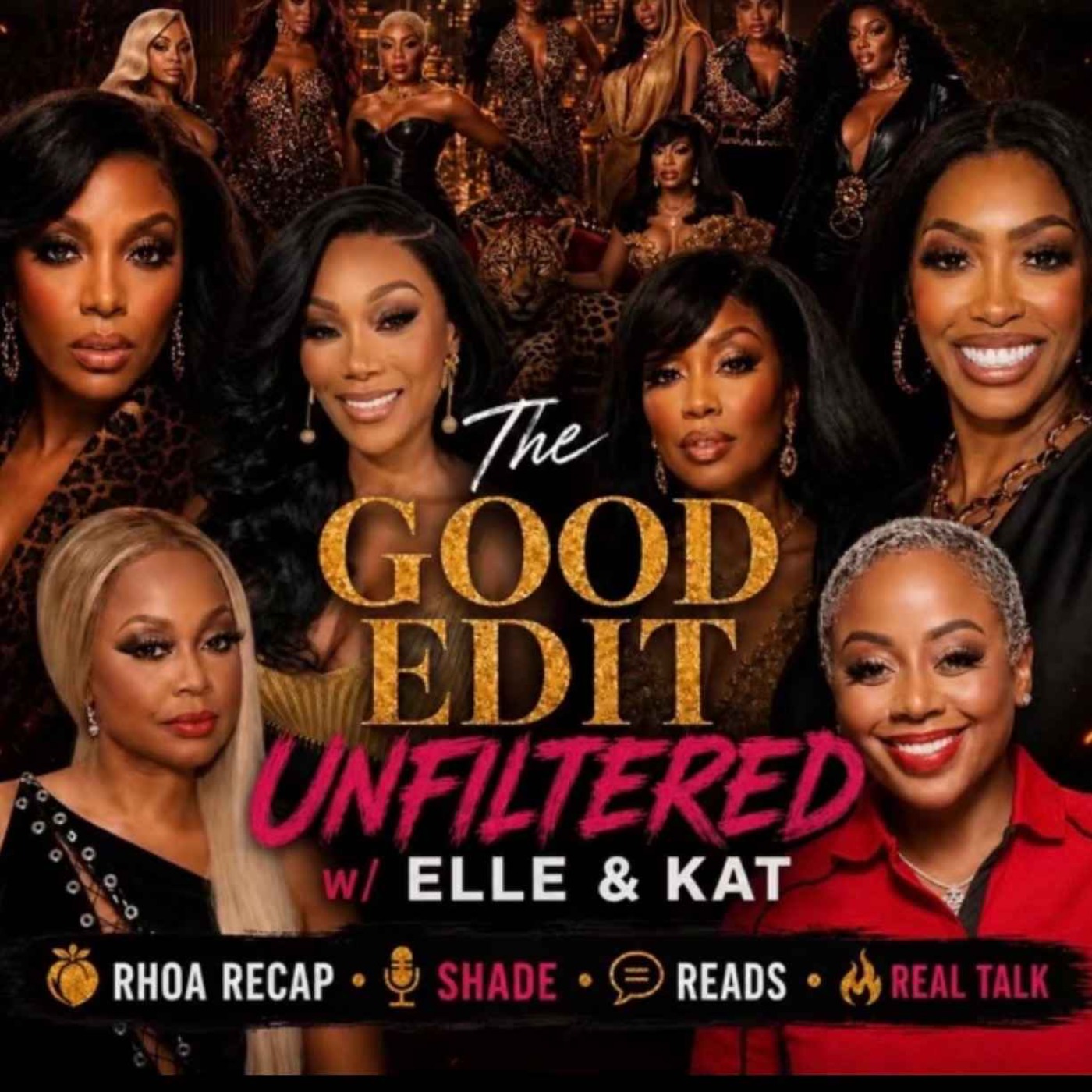
Key Takeaways
- The explosive confrontation between Porsha Williams and Shamea Morton Mwangi in Scotland highlights how long-simmering resentment can shatter friendships under the intense pressure of reality TV.
- The hosts analyze how the 'Pilar comment' served as the true point of no return in the relationship, overshadowing other family-related allegations used as ammunition.
- Production strategies, specifically the use of 'consensus-building' edits, intentionally influence viewer perception by framing Shamea's season-long conflicts to justify her isolation.
- Porsha's post-walkout monologue regarding a 'spirit' on Shamea exemplifies how cast members utilize narrative control to rewrite peers into villains.
- This deep dive into RHOA cast drama illustrates the emotional toll of fame and how personal grievances are often commodified as currency for televised entertainment.
RHOA cast drama | The Porsha and Shamea Collapse and Shutdown Kelli and Porsha Reconcile Pinky Financial Fallout - When a friendship frays over secrets, betrayal, and reality TV's relentless spotlight, can it ever be repaired? In this gripping episode of The Good Edit Unfiltered, we unravel the explosive confrontation between Porsha Williams and Shamea Morton Mwangi in The Real Housewives of Atlanta Season 17, Episode 14, "Highland Games and Explosive Claims," a fallout years in the making and captured entirely on camera in Scotland.
We trace the dark undercurrents shaping this clash, from long simmering resentment and asymmetrical forgiveness to deeply personal accusations involving both women's mothers. Why could Porsha reconcile with Kelli Ferrell so easily while offering Shamea no path back? What happens when a grievance held in for months finally breaks loose at a dinner table? And why did both women arrive armed with family allegations, loaded and ready to fire?
Behavioral analyst Elle Schwartz and cohost Kat Vasseghi break down the nuanced dynamics of loyalty, pride, and heartbreak, exploring how the pressure cooker environment of reality television pushes friendships past their breaking point. You will hear why the Pilar comment, not the mother allegations, was the true point of no return, what Porsha's post walkout monologue about a "spirit" on Shamea reveals about how we rewrite people into villains, and why Shamea's tearful admission that she "knew this was coming" tells us everything about the weight she has been carrying all season.
We also put the edit itself under the microscope.
When production cuts a montage of Shamea's season long conflicts directly into Cynthia Bailey's suggestion that Shamea brought this on herself, that is not a coincidence. That is a consensus building edit, and we name it. This episode examines how production choices and social media pressure escalate personal pain into public spectacle, and asks the essential questions: Does Shamea have the right to feel piled on? Was Porsha's reconciliation with Kelli authentic, or a flex? Should family secrets ever be currency for televised drama?
This episode is not just about one dramatic fallout. It is a powerful reflection on the emotional toll of fame and the fragility of friendship under a national spotlight. If you have ever faced betrayal, or watched a relationship crumble while everyone else picked sides, this raw, unfiltered discussion will make you rethink how we handle conflict, loyalty, and forgiveness.
Perfect for Bravo fans, RHOA viewers, and anyone navigating the complexities of friendship under pressure, this is your inside look at how truth, pride, and perception collide on and off screen. The Good Edit Unfiltered continues to rise in rank because we do what no one else does: we bring context to reality TV, one episode at a time. Join the Edittors and press play.
That lands at 450 words. Want me to build the matching SEO and AIO keyword block for Acast, or format this into the branded document set?
The Good Edit Unfiltered w/ Elle and Kat is a Bravo reality TV analysis podcast hosted by behavioral analyst and cultural and diversity expert Elle Schwartz and Bravo commentator Kat Vasseghi.
We go beyond the recap to examine how editing shapes hero and villain narratives, how casting drives storylines, and the psychology underneath the drama. Receipts, context, and Bravo gossip that actually means something, because the edit is never accidental.
We cover RHOBH, RHOSLC, RHOP, RHONY, RHONJ, RHOA, RHORI, Vanderpump Rules, Summer House, and The Valley through recaps, deep dives, guest interviews, memoirs, and hot takes. Watch the franchises on Bravo and Peacock, then let us tell you what the edit left out.
Recent guests: David Yontef, Georgio Says, and Barbara Bonds.
Apple Podcasts, Spotify, iHeart, Acast, YouTube. Ad free VIP content on Patreon.
Hosted on Acast. See acast.com/privacy for more information.
The Good Edit Unfiltered brings context to reality television, exploring how the housewife and reality TV experience is sometimes shifted unfairly through production edits. Hosted by behavioral analyst Elle Schwartz and Kat Vasseghi. A production of Layered Media Inc. and Rude Mood Media. Booking inquiries: Ric Swartzlander, ricswartzlander@thegoodedit.net. Bringing context to reality TV, one episode at a time.
Copyright 2026 Layered Media Inc. All rights reserved.
Frequently Asked Questions
What caused the fallout between Porsha Williams and Shamea Morton Mwangi on RHOA?
The fallout stemmed from a combination of long-term resentment, feelings of betrayal, and the pressure of the reality TV spotlight, culminating in an explosive argument in Scotland over personal family accusations.
Why is the RHOA cast drama between Porsha and Shamea considered a production-driven conflict?
Production choices, such as cutting montages of Shamea's past conflicts alongside critical commentary from other housewives, are used to build a specific narrative and influence the audience's perception of the drama.
How do Elle and Kat analyze RHOA cast drama differently than other recap podcasts?
The Good Edit Unfiltered focuses on behavioral psychology, editorial manipulation, and behind-the-scenes production strategies to explain why certain storylines and villain narratives are constructed.