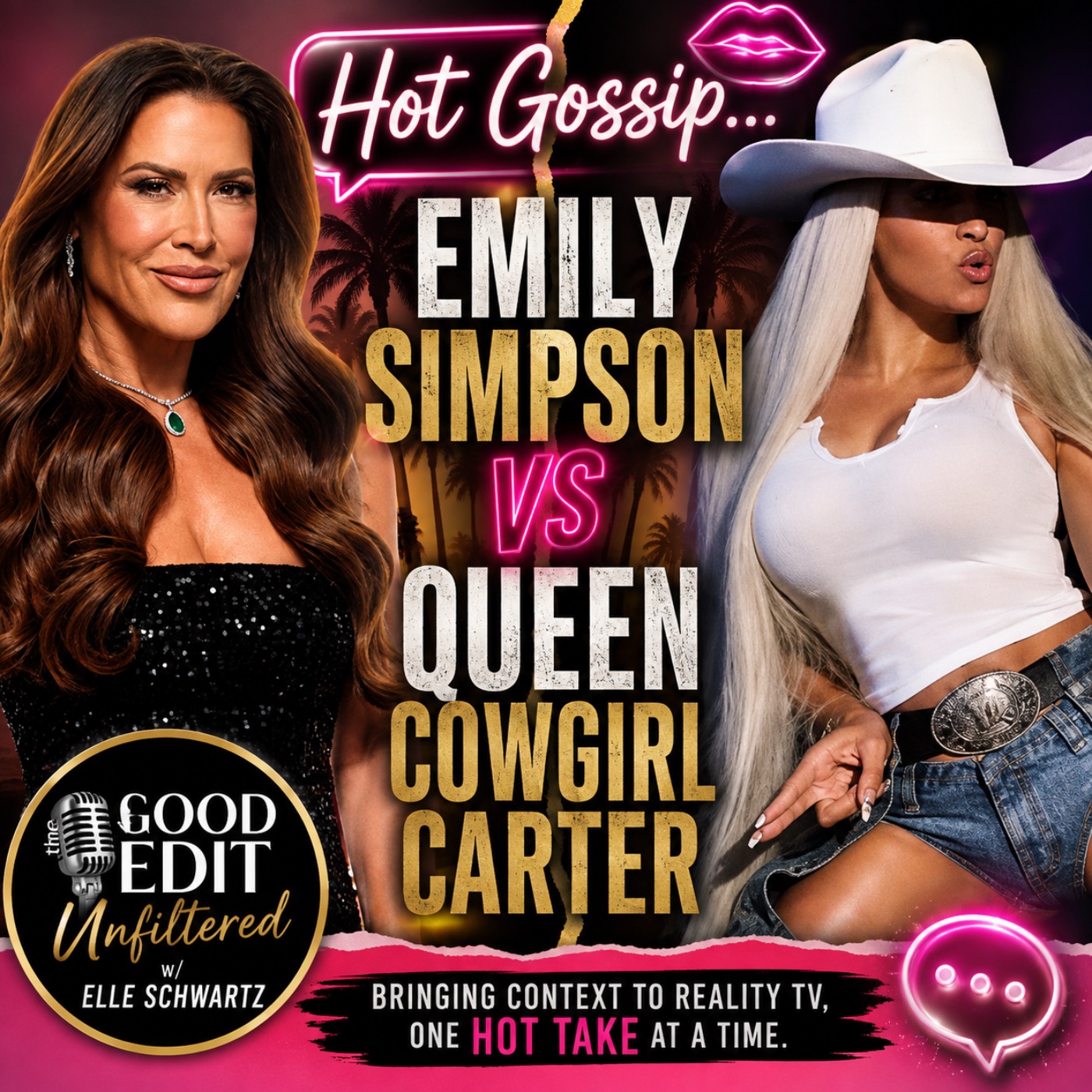
Country Music Gatekeeping vs Reality TV Editing: The Hidden Parallel
When television producers cut footage to frame a reality star, they are doing the exact same structural work as country radio gatekeepers deciding who gets played. Both industries pre-determine a narrative archetype before the evidence rolls in, filtering out any contradictory reality to keep a manufactured narrative clean, marketable, and aggressively narrow.
Key Takeaways
- Country music format gatekeeping and unscripted television editing use the exact same psychological framing mechanisms.
- Historical revisionism in pop culture and country music deliberately erases the African roots of foundational American stringed instruments.
- Benjamin Latrobe's 1819 accounts of Congo Square explicitly documented the banza, proving banjos and fiddles played together decades before the first commercial country records.
- The 1920s commercial split of southern music into racial categories ("hillbilly records" and "race records") institutionalized modern genre segregation.
- Production editing in reality television operates like an invisible format gatekeeper, deciding a subject's character before tape even rolls.
The Mechanics of Format Gatekeeping in Media
Gatekeeping is rarely about outright censorship; instead, it operates as an administrative filter. In the traditional country music industry, executives establish strict parameters around what sounds "authentic" based on commercial safety and demographic assumptions. This top-down curation dictates who belongs on the chart, who receives radio rotation, and who gets booked on major festival stages.
Reality television production functions through an identical structural lens. When an editor sits down in the post-production suite, they are not acting as a neutral archivist. They are operating as a genre gatekeeper. They have a pre-packaged character arc—the villain, the victim, the messy friend—and every cut of audio-visual tape is filtered to serve that narrative thesis. Just as radio programmers reject songs that cross genre lines too cleanly, editors routinely trim context, reaction shots, and conversational nuance that contradict the assigned character Bible.
How Production Edits Enforce Archetypes
The illusion of neutrality is the most powerful tool in both unscripted television and commercial radio. When a viewer watches a housewife or a reality contestant behave in a way that feels inherently malicious or unhinged, they rarely question the machinery behind the lens. The edit presents itself as raw reality, much like a curated radio station presents itself as a reflection of listener demand. In reality, both mediums manufacture the demand by narrowing the supply.
Behavioral analysis reveals that human beings naturally seek patterns to make sense of complex social dynamics. Producers exploit this cognitive bias by feeding audiences hyper-simplified character traits. Once an audience accepts the premise that a cast member is inherently difficult, confirmation bias takes over. Every subsequent edit is viewed through that confirmed lens, effectively locking the participant into a perpetual narrative trap.
Historical Parallels: Congo Square and Musical Erasure
The impulse to gatekeep genres and sanitize cultural origins is not new. To understand how contemporary media manages boundaries, we have to look at how musical genres were carved out of shared American traditions in the early twentieth century. For generations, cultural gatekeepers insisted on strict lines between what constituted "authentic" southern mountain music and Black musical expression.
Historical documentation tells a vastly different story. In February 1819, an architect named Benjamin Latrobe visited Congo Square in New Orleans—the designated public space where enslaved people were legally permitted to gather and make music on Sundays under French and Spanish colonial rule. Latrobe sketched the instruments he encountered, including the banza, a gourd-bodied stringed instrument directly descended from West African traditions. Decades before the advent of commercial recording equipment, observers in Congo Square documented banjos, fiddles, tom-toms, and jawbones playing in unison.
The 1920s Racial Split of Southern Catalogs
Despite centuries of intertwined musical heritage, the commercial music industry of the 1920s intentionally segregated a shared southern catalog into two distinct marketing buckets: "hillbilly records" for white rural artists and "race records" for Black artists. This administrative division was an economic and cultural gatekeeping mechanism designed to fit corporate distribution models rather than actual artistic practice.
When modern country music charts or award committees reject artists who cross these historical boundaries—such as contemporary crossover successes being shut out of traditional voting ballots—they are participating in a lineage of genre policing that stretches back a century. The machinery that categorizes music is remarkably similar to the machinery that categorizes unscripted television personalities: both rely on exclusionary definitions to maintain institutional control over who is allowed to claim ownership of a space.
Conclusion: Recognizing the Invisible Edits in Culture
Whether examining how early American musical traditions were cataloged and segregated, or unpacking how reality television production teams shape the public perception of reality stars, the core mechanism remains the same. Administrative gatekeepers define the boundaries, prune away the historical or contextual contradictions, and present the sanitized result as objective truth.
Understanding these parallels allows media consumers to look past the manufactured surface of both reality TV edits and pop culture commentary. To dive deeper into how television production shapes our perceptions of public figures, Listen to the full episode and join the conversation with the Edittors community.
Frequently Asked Questions
What is format gatekeeping in media?
Format gatekeeping refers to the administrative and editorial rules enforced by industry executives—such as radio programmers or reality TV producers—that dictate who and what fits neatly within a designated genre or narrative archetype, deliberately filtering out contradictory evidence.
How does reality TV editing mirror music industry categorization?
Both industries establish rigid pre-determined templates before observing the raw material. Just as 1920s record executives split shared southern music into segregated "hillbilly" and "race" categories, reality TV editors trim and sequence footage to fit participants into unchangeable character bins.
What was the significance of Congo Square in New Orleans?
Congo Square was designated as a legal gathering space for enslaved and free Black people on Sundays during the 19th century. It served as a vital cultural incubator where African musical traditions, including gourd-bodied banzas and fiddles, continued openly and heavily influenced foundational American roots music.
Why is behavioral analysis useful when analyzing reality television?
Behavioral analysis helps decode human interaction beneath the artificial constraints of television production. By looking at how people actually communicate versus how an edited episode frames them, analysts can separate genuine personality traits from manufactured editing artifacts.