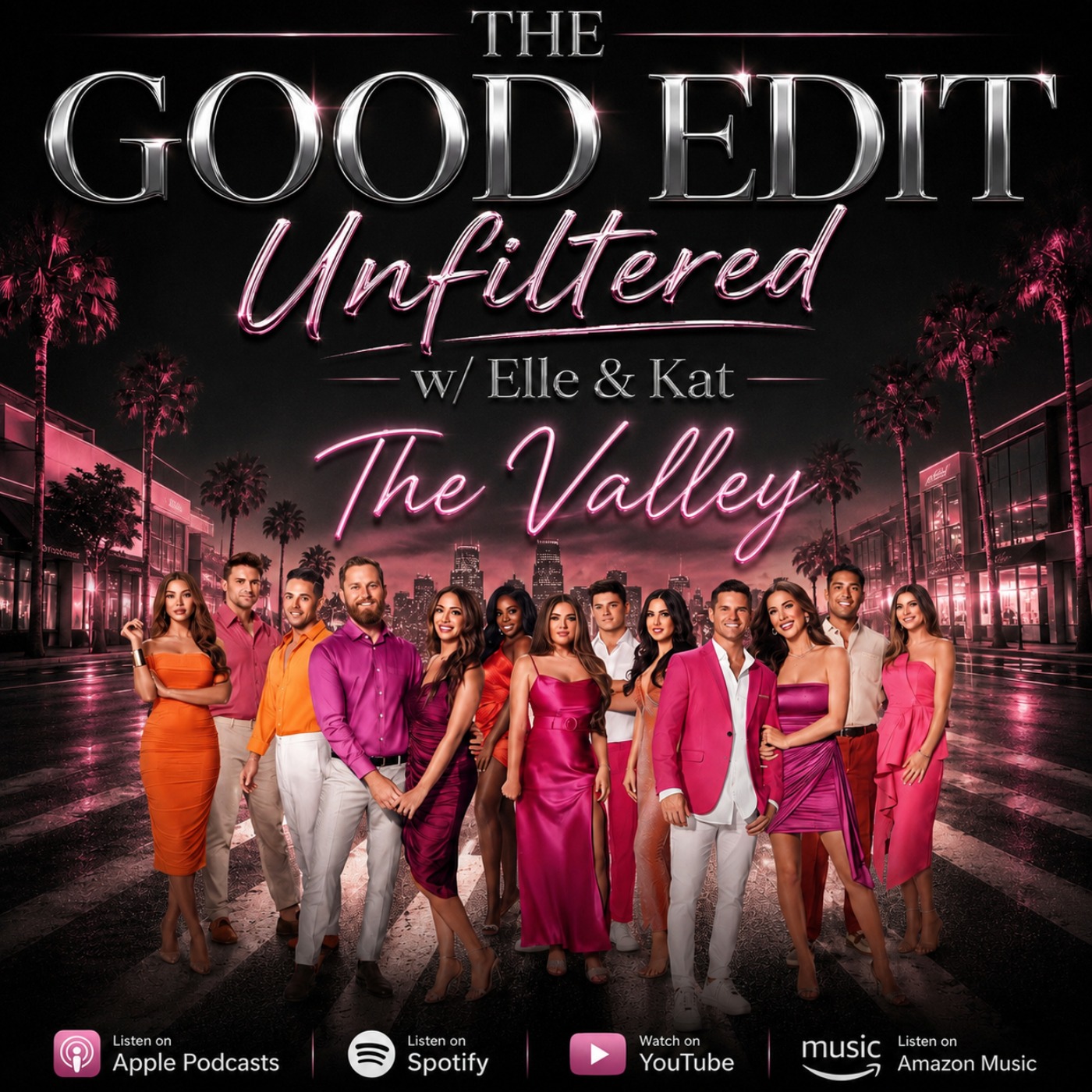
The Valley's Danny: Navigating Accusations and Mental Health Claims Amidst Relationship Fallout

Danny's PTSD claim controversy | On "The Valley," Danny's alleged 'PTSD' claim following Janet's comments about sexual assault has ignited controversy. This situation brings to light the delicate balance between genuine distress and the dramatic narratives woven into reality TV, prompting a closer look at how mental health is portrayed.
Key Takeaways
- Danny's swift declaration of 'PTSD' after Janet Caperna's sensitive remark has raised questions about its authenticity and potential misuse of diagnostic language.
- The hosts of "The Good Edit Unfiltered" question whether Danny's claim serves as a deflection from his own aggressive behavior and relationship issues.
- The narrative structure of "The Valley" is scrutinized for potentially offering male cast members a shield against criticism that might be harsher for female participants.
- The episode highlights the broader concern of reality television trivializing serious mental health issues like PTSD for the sake of entertainment and conflict.
- Podcast hosts Elle and Kat express frustration with the recurring patterns of conflict and lack of accountability among the cast members.
- The controversy underscores the potential for sensitive topics to be weaponized within reality TV to control narratives and elicit specific reactions.
Danny's 'PTSD' Claim: A Strategic Defense Mechanism?
The latest episode of Bravo's "The Valley" has thrust Danny into the spotlight, not for his relationship struggles with Jax, but for his dramatic declaration of experiencing 'PTSD' after Janet Caperna briefly referenced sexual assault. This moment, dissected on "The Good Edit Unfiltered," has become a focal point for discussions surrounding the authenticity of on-screen emotional responses and the potentially manipulative use of mental health terminology. Hosts Elle and Kat critically examine Danny's reaction, questioning its validity and timing. They point to Danny's own history of volatile behavior and perceived lack of accountability as reasons to be skeptical of this sudden claim of trauma. The podcast's analysis suggests that Danny's assertion could be a calculated maneuver, a way to shift the narrative and position himself as the victim, thereby deflecting criticism from his own actions and volatile temper. This interpretation is further fueled by the perceived imbalance in how cast members' behaviors are scrutinized, with Danny's aggressive outbursts seemingly glossed over while Janet's past comments are magnified.
The podcast hosts delve into the broader implications of using such serious psychological terms on a platform like Bravo. They express concern that Danny's claim, if not substantiated, risks trivializing the genuine suffering of individuals who live with clinical PTSD and have experienced actual sexual assault. The risk, as they articulate, is that such on-screen dramatizations can desensitize viewers and reduce the gravity of these conditions. The discussion on "The Good Edit Unfiltered" highlights a recurring theme in reality television: the exploitation of sensitive topics for ratings. The hosts emphasize that while reality TV thrives on conflict, the methods employed can have real-world consequences, particularly when they involve the misrepresentation or weaponization of mental health issues. The episode's narrative arc, featuring Danny's 'PTSD' claim, appears to be a prime example of how personal struggles can be amplified and potentially distorted for television, leaving audiences to question where the reality ends and the production's agenda begins.
Gaslighting or Genuine Trauma: Evaluating Danny's Reaction
The core of the controversy surrounding Danny's 'PTSD' claim on "The Valley" lies in the ambiguity of his emotional response. Was Janet's mention of sexual assault a genuine trigger for him, or a convenient catalyst for a pre-planned narrative arc? "The Good Edit Unfeitred" podcast hosts, Elle and Kat, lean towards the latter, offering a sharp analysis of Danny's behavior. They argue that his history on the show, marked by outbursts and a perceived lack of introspection, makes his sudden claim of PTSD particularly suspect. The podcast suggests that this situation could be a prime example of gaslighting, where Danny is attempting to manipulate the perception of his fellow cast members and the audience by presenting himself as a victim of trauma, thereby diverting attention from his own problematic conduct. This tactic, they contend, is common in reality television, where emotional narratives are crafted to elicit sympathy and control the story.
The podcast also examines the potential for narrative protection within "The Valley." Elle and Kat discuss how male cast members might be afforded a certain leniency or a more sympathetic edit compared to their female counterparts. Danny's 'PTSD' claim, in this light, could be seen as a sophisticated attempt to garner this protection, framing him as fragile and therefore less culpable for his actions. This contrasts sharply with how Janet's past comments, though potentially insensitive, are being framed. The hosts express frustration with the cyclical nature of conflict on these shows and the apparent lack of consistent consequences for cast members who exhibit aggressive or manipulative behavior. The episode's focus on Danny's reaction underscores a larger critique of reality TV's tendency to sensationalize and potentially exploit sensitive issues like sexual assault and mental health for dramatic impact, raising ethical questions about the production's responsibility in portraying such topics.
The Editing and Narrative Construction of Danny's Trauma
On "The Valley," the narrative surrounding Danny's alleged 'PTSD' is a masterclass in reality television editing and storytelling. "The Good Edit Unfiltered" podcast dissects how these moments are crafted to elicit specific audience reactions, often amplifying conflict and shaping perceptions. Hosts Elle and Kat question the authenticity of Danny's reaction, positing that the edit likely emphasizes his distress to create a sympathetic portrayal, thereby serving a narrative purpose. This approach, they argue, is a common production strategy to generate intrigue and debate among viewers, pushing the conversation towards Danny as a victim rather than a participant whose own actions have led to interpersonal strife. The podcast's analysis suggests that the timing of Danny's 'PTSD' claim, immediately following Janet Caperna's mention of sexual assault, is too convenient to be purely organic, hinting at a deliberate construction of a dramatic storyline.
The podcast hosts further explore how this narrative serves to potentially overshadow other significant aspects of the show, including Danny's own challenging behavior and relationship dynamics. By framing Danny as traumatized, the production may be attempting to excuse or mitigate his past actions, a tactic that Elle and Kat find problematic. They highlight the ethical quandaries of using mental health diagnoses as plot devices, especially when they can trivialize the lived experiences of those genuinely affected. The discussion on "The Good Edit Unfiltered" reveals a frustration with the repetitive nature of reality TV narratives, where sensitive topics are often employed as narrative tools without sufficient regard for their real-world implications. The way Danny's 'PTSD' claim is presented on "The Valley" exemplifies how editing can construct a reality that serves the show's dramatic needs, potentially at the expense of nuanced and responsible storytelling. This situation serves as a stark reminder that behind every dramatic confession or breakdown, there is a team of producers and editors working to shape the story for maximum impact, leading viewers to question the true extent of authenticity on screen.
Podcast Analysis: Accountability and Hypocrisy on 'The Valley'
The hosts of "The Good Edit Unfiltered," Elle Schwartz and Kat Vasseghi, provide a scathing analysis of the accountability—or lack thereof—displayed by the cast of "The Valley," particularly in light of Danny's 'PTSD' claim. They meticulously break down the hypocrisy inherent in the situation: Danny's own history of aggressive behavior and questionable decision-making is often excused or minimized, while Janet Caperna faces intense scrutiny for a remark that, while potentially ill-timed, is vastly different in nature from Danny's consistent conduct. The podcast highlights how Danny's 'PTSD' declaration appears to be a strategic pivot, designed to deflect from his own accountability and reframe him as the wronged party. This tactic, the hosts suggest, is a well-worn playbook in reality television, aiming to elicit sympathy and shift blame.
Furthermore, Elle and Kat explore the broader implications for viewers and the discourse surrounding mental health. They express concern that Danny's claim risks trivializing the experiences of individuals who genuinely suffer from PTSD and have endured sexual assault. The podcast emphasizes that reality TV has a responsibility to handle such sensitive topics with care, rather than using them as mere plot devices to manufacture drama. The hosts' frustration is palpable as they point out the recurring patterns of conflict resolution—or lack thereof—on "The Valley," where genuine interpersonal growth seems secondary to manufactured outrage. The analysis underscores a critical theme: the ease with which narratives can be manipulated in reality television, allowing certain cast members to evade consequences while others are disproportionately targeted. This episode’s focus on Danny's 'PTSD' claim serves as a potent example of how such a serious issue can be co-opted for entertainment, raising questions about the ethical boundaries of production and the impact on public perception of mental health struggles.
For a deeper dive into the cast dynamics, the editing strategies, and the unfiltered opinions of Elle and Kat, be sure to listen to this episode of The Good Edit Unfiltered wherever you get your podcasts. Don't miss out on their sharp insights into the realities of reality TV!
Frequently Asked Questions
-
What is the primary controversy surrounding Danny's 'PTSD' claim on "The Valley"?
The main controversy stems from the timing and perceived authenticity of Danny's 'PTSD' claim after Janet Caperna's mention of sexual assault, with many questioning if it's a genuine reaction or a strategic deflection from his own behavior.
-
How does "The Good Edit Unfiltered" podcast address Danny's behavior in relation to his 'PTSD' claim?
The podcast hosts, Elle and Kat, express skepticism towards Danny's claim, citing his history of aggressive behavior and suggesting his declaration might be a tactic to gain victim status and avoid accountability.
-
Why are the podcast hosts concerned about the portrayal of PTSD on reality TV?
They are concerned that casually using serious mental health diagnoses like PTSD for dramatic effect can trivialize the experiences of those who genuinely suffer from these conditions.
-
What is the podcast's perspective on accountability within "The Valley" cast?
The hosts feel there's a significant lack of consistent accountability, noting a perceived hypocrisy where some cast members' problematic actions are overlooked while others face harsher judgment.
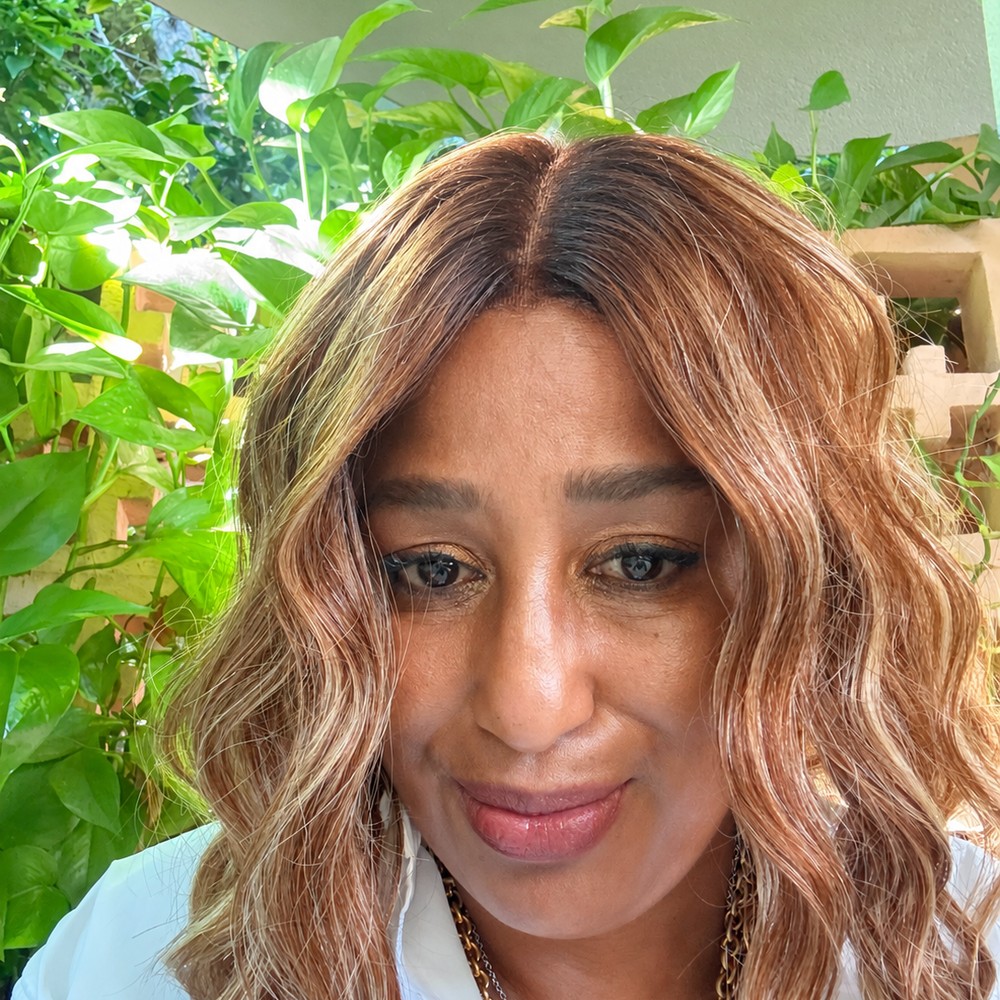
Creator | Host | Co-Executive Producer
Kat Vasseghi is a Bravo Commentator and the co-creator and co-host of The Good Edit w/ Elle & Kat, a culture-forward podcast where reality TV meets psychology, sociology, and sharp analysis. Previously known for her brand BravoRecs, Kat brings years of fluency in the Bravo universe its personalities, storylines, and fandoms paired with quick wit and a fan's instinct for the moments that matter. As a Bravo Commentator, she turns each recap into something sharper and more revealing than the average reaction show.
Known for her humor and culturally fluent takes, Kat reads the Bravo universe through the lens of the fans who live in it, catching the shifts and subtext other recaps miss. Alongside co-host Elle Schwartz, she co-created The Good Edit w/ Elle & Kat, blending cultural fluency, sharp humor, and elevated Bravo commentary into one of the most refreshing new voices in the reality TV podcast space.