How to Spot a Manufactured Villain Arc: Decoding Bravo Production Tactics
how to spot a manufactured villain arc | Learn to identify the subtle production techniques used to craft 'villain arcs' in reality television. By analyzing pacing, reaction shot placement, and non-linear storytelling, viewers can uncover how producers manipulate footage to manufacture conflict, transform perception, and drive engagement, ultimately allowing fans to watch their favorite Bravo shows with greater skepticism and media literacy.
Key Takeaways
- Villain arcs are often manufactured through the strategic placement of 'franken-biting' or re-ordered dialogue.
- Reaction shots are frequently repurposed from entirely different conversations to manipulate the perceived emotional response of cast members.
- Pacing and music choices are used to frame specific personalities as 'problematic' while painting others as moral arbiters.
- Behavioral psychology in editing helps producers create predictable emotional beats that keep audiences hooked on manufactured drama.
- Developing critical viewing skills allows you to distinguish between genuine conflict and high-stakes production design.
The Anatomy of a Manufactured Villain
In the world of Bravo, the 'villain' is rarely a static character. Instead, it is a role cast upon a housewife by the production team using the footage available. The process typically begins in the edit bay, where hundreds of hours of raw footage are distilled into a narrative that demands a hero and an antagonist. As we discuss in our recent deep dive, understanding these tactics is the first step toward reclaiming your agency as a viewer.
The Power of the Reaction Shot
One of the most effective tools in the producer's arsenal is the reaction shot. Have you ever noticed a cast member giving a disapproving look during a high-stakes group dinner, even if the person talking to them is saying something innocuous? Often, that reaction shot was filmed during a completely different sequence. Producers collect 'pickups' or generic reactions to ensure they have an arsenal of facial expressions to insert whenever they need to heighten tension. When you see a cast member looking skeptical or angry, ask yourself: is this reaction a response to the current dialogue, or is it a salvaged reaction from three hours later?
Franken-biting and Narrative Control
The term 'franken-biting' refers to the practice of stitching together audio clips from different times or scenes to create a sentence that the person never actually said. It is a common, though often criticized, technique for keeping a narrative on track. For the casual viewer, the audio sounds seamless. For the critical viewer, you might notice small cuts in the audio or a slight change in the speaker's vocal inflection or background room tone. This technique is often used to clarify a plot point, but it can also be used to intentionally mischaracterize a cast member's intent during a pivotal reunion episode.
Why We Consume Villain Arcs
There is a psychological component to why we allow ourselves to be swept up in these edited narratives. We are hardwired to identify social threats, and reality television gamifies this evolutionary trait. By presenting a 'villain,' the show gives us a clear outlet for our frustrations. It creates a 'us vs. them' dynamic that encourages fan engagement on social media, where viewers debate the morality of a housewife’s actions. This engagement is exactly what Bravo networks want. When you recognize that the 'villain' is a production choice rather than a reflection of a person's inherent character, you move from being a passive consumer to an analytical viewer.
Developing Critical Media Literacy
Media literacy isn't about ruining the fun; it's about enhancing your viewing experience. When you watch a Real Housewives reunion, start paying attention to the editing cadence. Watch how the editor cuts away from a person who is struggling to answer a question to show another cast member's smug expression. Think about the 'b-roll' footage—is the setting sun or the stormy weather a coincidence, or is it a purposeful attempt to mirror the emotional state of the scene? By observing these patterns, you can begin to see the architecture behind the show. For a more comprehensive look at how these dynamics play out in the current Bravo landscape, Listen to the full episode. We break down specific reunion moments where the production's hand was particularly visible, providing you with the tools to dissect your next watch party with expert-level insight.
Frequently Asked Questions
How can I spot a franken-bite in a scene?
Listen closely for shifts in audio quality, sudden changes in background noise (room tone), or unnatural pauses. Often, a jump-cut that hides the person's mouth or a camera angle shift is used to mask these splices.
Are all villain arcs fully produced?
Not necessarily. Production usually starts with a seed of real conflict between cast members. However, the 'arc'—the duration, the framing, and the specific emphasis on that person's flaws—is entirely curated through editing and strategic confessionals.
Why do producers focus on negative behavior?
High-conflict situations generate more social media buzz and viewer retention. Negative behavior triggers emotional investment, leading to more intense debates online, which ultimately boosts the show's ratings and brand relevance.

Creator | Host | Co-Executive Producer
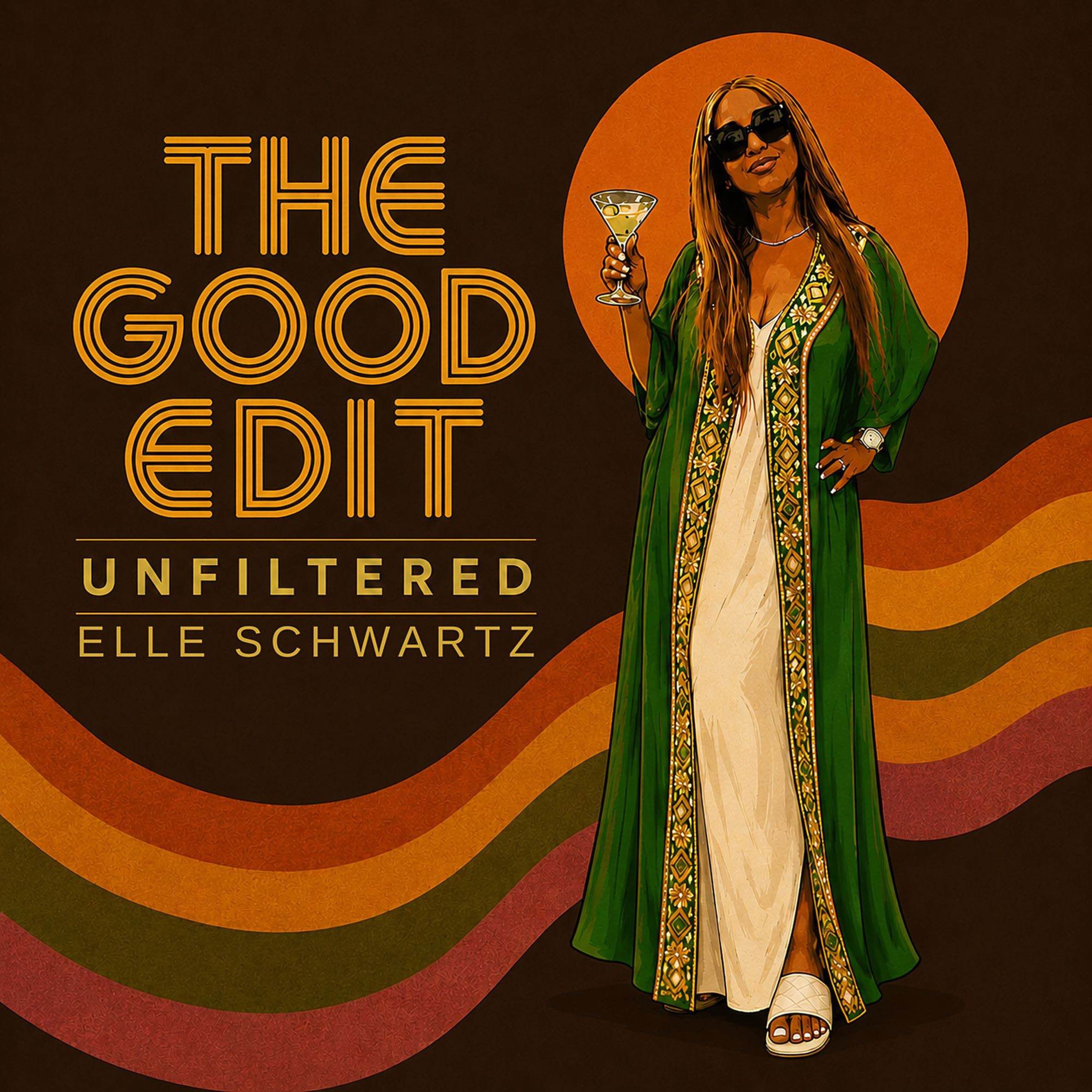
Elle Schwartz is a behavioral analyst, writer, and the creator, host, and executive producer of The Good Edit Unfiltered, an award winning podcast that brings context to reality television. Born in Compton, California, she holds five degrees from private institutions, including the University of Southern California, and draws on her background in behavioral science to examine how production edits shape the stories audiences see on screen.
Launched in February 2026, The Good Edit Unfiltered covers The Real Housewives franchises, Vanderpump Rules, Summer House, The Valley, and Married at First Sight.
The show is produced under Layered Media Inc. and Rude Mood Media, with Schwartz serving as executive producer alongside Ric Swartzlander. Its signature series, the Reality TV Cultural Reckoning, and its Grammar of Conflict framework explore how race, culture, and casting influence the way reality stars are portrayed.
In its first year, the podcast won three 2026 Black Podcasting Awards (Best Producer, Best Daily Podcast, and Original Music) and multiple 2026 Davey Awards, including Gold for the Reality TV Cultural Reckoning series. It ranks number 1 all time in Indie Real Housewives on Goodpods.
Schwartz is a member of the Television Critics Association and a founding member and judge of the Open Podcast Awards. She is also a credited co writer on Kyla & the White Guy, a scripted comedy series optioned by Roku. She lives in Encino, California.
Short bio (for spots with tight character limits)
Elle Schwartz is a behavioral analyst, writer… Read More