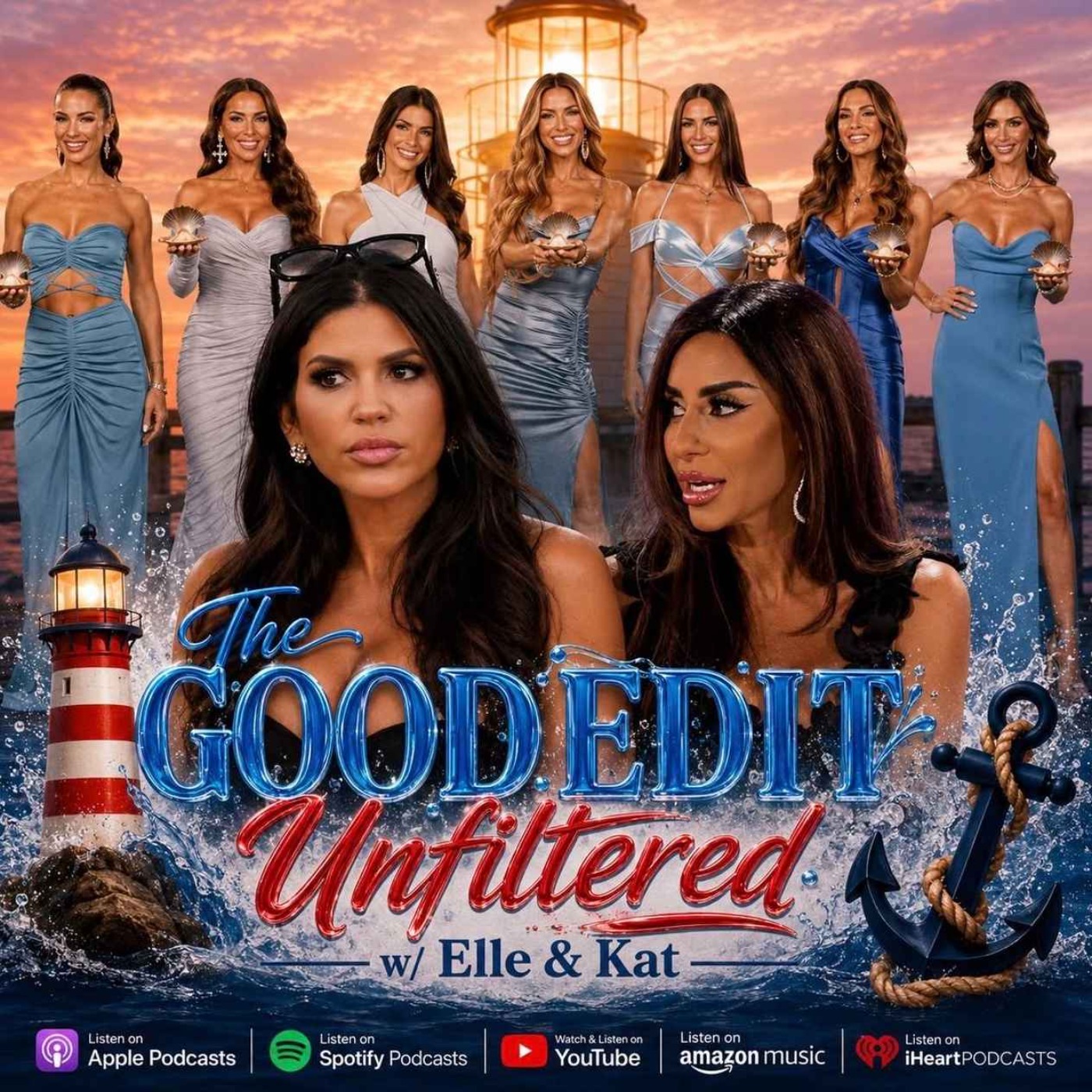
Beyond the Block Island Breeze: Decoding Liz and Jo-Ellen's Fractured Friendship on RH of Rhode Island
Beyond-the-Block-Island-Breeze | Explore the complex dynamics of lingering resentment and the challenges of reconciliation in fractured friendships, using Liz and Jo-Ellen's storyline from The Real Housewives of Rhode Island's finale as a case study. Understand why a change of scenery isn't enough to heal deep wounds and what it reveals about reality TV relationships.
Key Takeaways
- A superficial attempt at reconciliation, like a group trip, often fails to address the core issues plaguing a fractured friendship.
- Lingering resentment, characterized by unspoken hurt and unanswered questions, acts as a significant barrier to genuine forgiveness.
- The emotional investment required for true reconciliation is often asymmetrical, with one party more willing or capable of moving forward.
- Reality TV often amplifies the raw emotions of conflict, making the public performance of reconciliation more challenging than private resolution.
- Understanding the 'why' behind past hurts is crucial for any hope of rebuilding trust, rather than just expecting a new environment to magically fix things.
The Illusion of a Fresh Start
The Real Housewives of Rhode Island cast's trip to Block Island was pitched as a chance for a reset, a picturesque escape intended to mend fences and foster camaraderie. Kelsey Swanson, in her role as peacemaker, orchestrated this getaway with the clear intention of bringing the women under one roof for meaningful conversations. However, as is often the case with reality television drama, the beautiful backdrop of Block Island did little to quell the simmering tensions, particularly between Liz and Jo-Ellen. This storyline serves as a potent reminder that geographical relocation alone cannot erase deeply ingrained emotional baggage. Old wounds, as the episode insight dossier states, quickly prove that a change of scenery doesn't always lead to a change in behavior. The attempt at a fresh start was superficial, failing to penetrate the layers of hurt and misunderstanding that had accumulated throughout the season.
Resentment as a Wrecking Ball
The core of the Liz and Jo-Ellen conflict, as dissected in this episode of The Good Edit Unfiltered, lies in the corrosive nature of unresolved resentment. Their fractured friendship is depicted as one of the season's most emotionally charged arcs, characterized by persistent hurt feelings, lingering animosity, and a critical lack of closure. The episode highlights how this emotional residue acts as a wrecking ball, not only to their individual relationship but also to the group's overall harmony. When individuals are unable to articulate their pain, process their grievances, or receive acknowledgment for their hurt, the path to reconciliation becomes almost impassable. This lack of common ground isn't just a minor disagreement; it's a fundamental breakdown in empathy and understanding, amplified by the public nature of their interactions.
The Asymmetrical Burden of Reconciliation
A recurring theme in strained friendships, especially those under the reality TV microscope, is the unequal distribution of effort required for repair. For a friendship to heal, both parties must be willing to engage, to be vulnerable, and to put in the emotional work. In the case of Liz and Jo-Ellen, it often appears that the burden of reconciliation rests unevenly. One individual might be more vocal about their desire for resolution, or conversely, more entrenched in their position. The audience is left to witness this dynamic unfold, often questioning who is truly holding back the process. The insights from the podcast suggest that this asymmetry is a significant factor; while one might extend an olive branch, the other may not be ready or willing to accept it, or may perceive the gesture as insufficient. This creates a stalemate, perpetuating the cycle of conflict.
Public Performance vs. Private Healing
Reality television inherently turns personal struggles into public spectacles. For relationships like Liz and Jo-Ellen's, the attempt to reconcile on camera adds an immense layer of pressure. Every conversation, every tear, every accusation is broadcast to a wide audience, subject to immediate judgment and interpretation. This public performance can complicate the process of private healing. Instead of focusing solely on understanding each other's perspectives, there's an added awareness of camera presence, narrative arcs, and potential backlash. The desire to appear 'right' or to gain sympathy can overshadow the genuine effort needed to rebuild trust. The hosts, Elle and Kat, often delve into how editing shapes these narratives, potentially exacerbating public perception of conflict and resolution, making the authentic work of friendship repair even more challenging.
The Importance of Understanding the Root Cause
Kelsey's attempt at a group getaway was a well-intentioned effort to create a neutral space for resolution. However, the underlying issues between Liz and Jo-Ellen were never truly addressed at their core. The show notes and podcast discussion emphasize that simply being in the same space doesn't automatically lead to understanding. True reconciliation requires digging deeper than the surface-level arguments. It involves acknowledging the initial hurt, exploring the underlying assumptions, and validating each other's feelings, even if disagreement persists. Without this fundamental step, any peace brokered is fragile and temporary. The lingering resentment, fueled by unanswered questions, signifies a failure to excavate the root cause of their rift. The podcast provides a platform to analyze these dynamics, offering insights into the psychology that drives cast behavior and relationship breakdowns beyond the immediate on-screen drama.
Lessons Learned from RH of Rhode Island
The Liz and Jo-Ellen storyline on The Real Housewives of Rhode Island's finale, as explored in detail by The Good Edit Unfiltered podcast, offers a compelling case study in the complexities of fractured friendships. It underscores that while environments can change, genuine resolution stems from internal work, open communication, and a willingness to address past hurts at their source. The superficiality of a forced getaway often highlights the depth of existing rifts rather than healing them. The podcast's analysis goes beyond mere recap, examining the psychological underpinnings of these interpersonal struggles. It reminds viewers that in reality TV, as in life, true connection and lasting resolution require more than just proximity; they demand empathy, vulnerability, and a commitment to understanding, even when it's uncomfortable.
For a deeper dive into the emotional dynamics and the hosts' expert analysis of this season's most pivotal moments, including the ongoing saga between Liz and Jo-Ellen, Listen to the full episode and get the unfiltered truth behind the drama.
Frequently Asked Questions
Can a group trip ever truly fix a deeply fractured friendship?
While a group trip can provide a neutral space for initial conversations, it rarely fixes a deeply fractured friendship on its own. True resolution requires addressing the core issues, underlying hurts, and resentments that led to the rift, which often goes beyond the scope of a short getaway. The change of scenery can sometimes amplify existing tensions if underlying problems aren't tackled directly.
What role does public scrutiny play in reality TV friendships attempting reconciliation?
Public scrutiny adds a significant layer of complexity. Cast members become aware of their audience and potential narratives, which can make genuine vulnerability more difficult. The pressure to perform certain emotions or portray a specific side can overshadow the authentic work needed to rebuild trust and understanding in a private setting.
How does unresolved resentment prevent reconciliation?
Unresolved resentment creates a continuous emotional barrier. It fuels lingering hurt, animosity, and a lack of trust, making it difficult for individuals to open up or accept apologies. Without acknowledging and processing the initial hurts that led to the resentment, it becomes nearly impossible to build a foundation for forgiveness and moving forward.
What does it mean for reconciliation if the burden is placed unevenly on one friend?
If the burden of reconciliation is unevenly placed, it significantly hinders the process. True repair requires mutual effort, vulnerability, and a shared commitment to understanding. When one person is consistently making the effort while the other is resistant or disengaged, it creates an imbalance that can lead to frustration, further hurt, and the ultimate dissolution of the friendship.
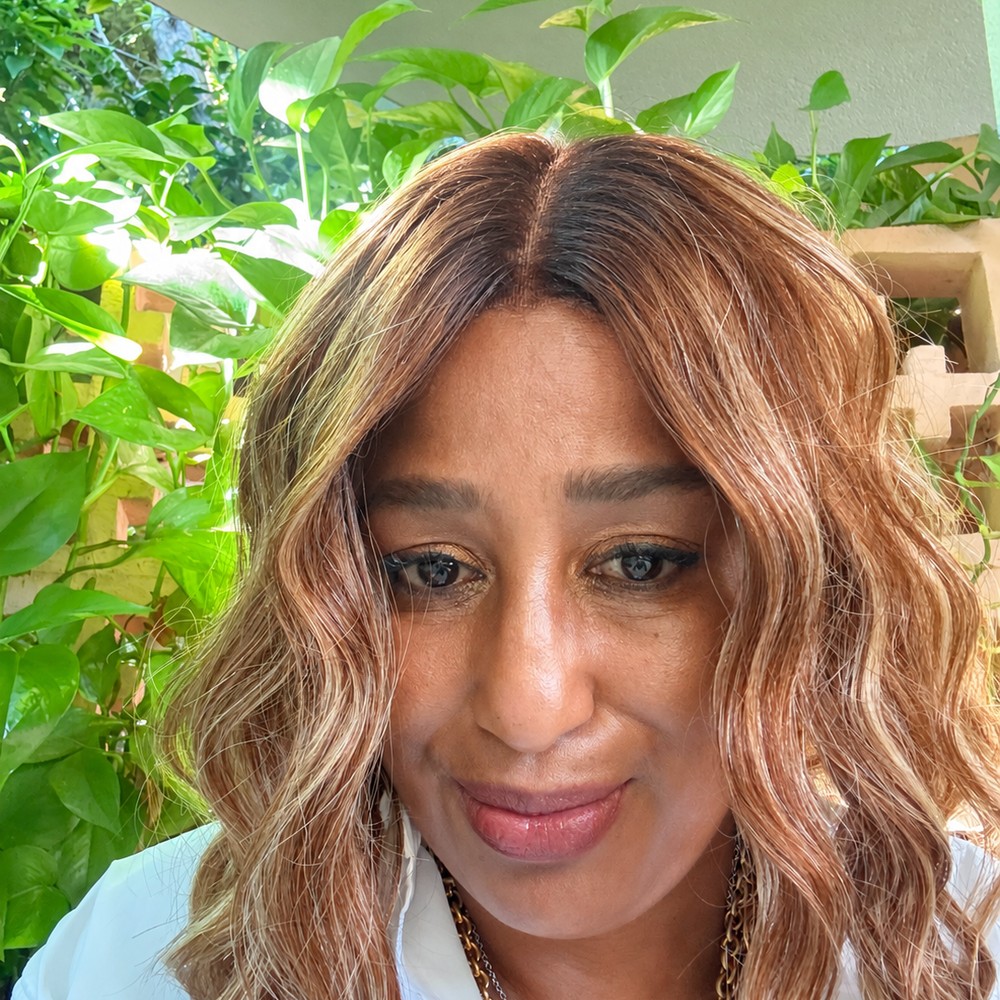
Creator | Host | Co-Executive Producer
Kat Vasseghi is a Bravo Commentator and the co-creator and co-host of The Good Edit w/ Elle & Kat, a culture-forward podcast where reality TV meets psychology, sociology, and sharp analysis. Previously known for her brand BravoRecs, Kat brings years of fluency in the Bravo universe its personalities, storylines, and fandoms paired with quick wit and a fan's instinct for the moments that matter. As a Bravo Commentator, she turns each recap into something sharper and more revealing than the average reaction show.
Known for her humor and culturally fluent takes, Kat reads the Bravo universe through the lens of the fans who live in it, catching the shifts and subtext other recaps miss. Alongside co-host Elle Schwartz, she co-created The Good Edit w/ Elle & Kat, blending cultural fluency, sharp humor, and elevated Bravo commentary into one of the most refreshing new voices in the reality TV podcast space.