Relationship Longevity After Reality TV: Why Love Island Couples Struggle Post-Villa
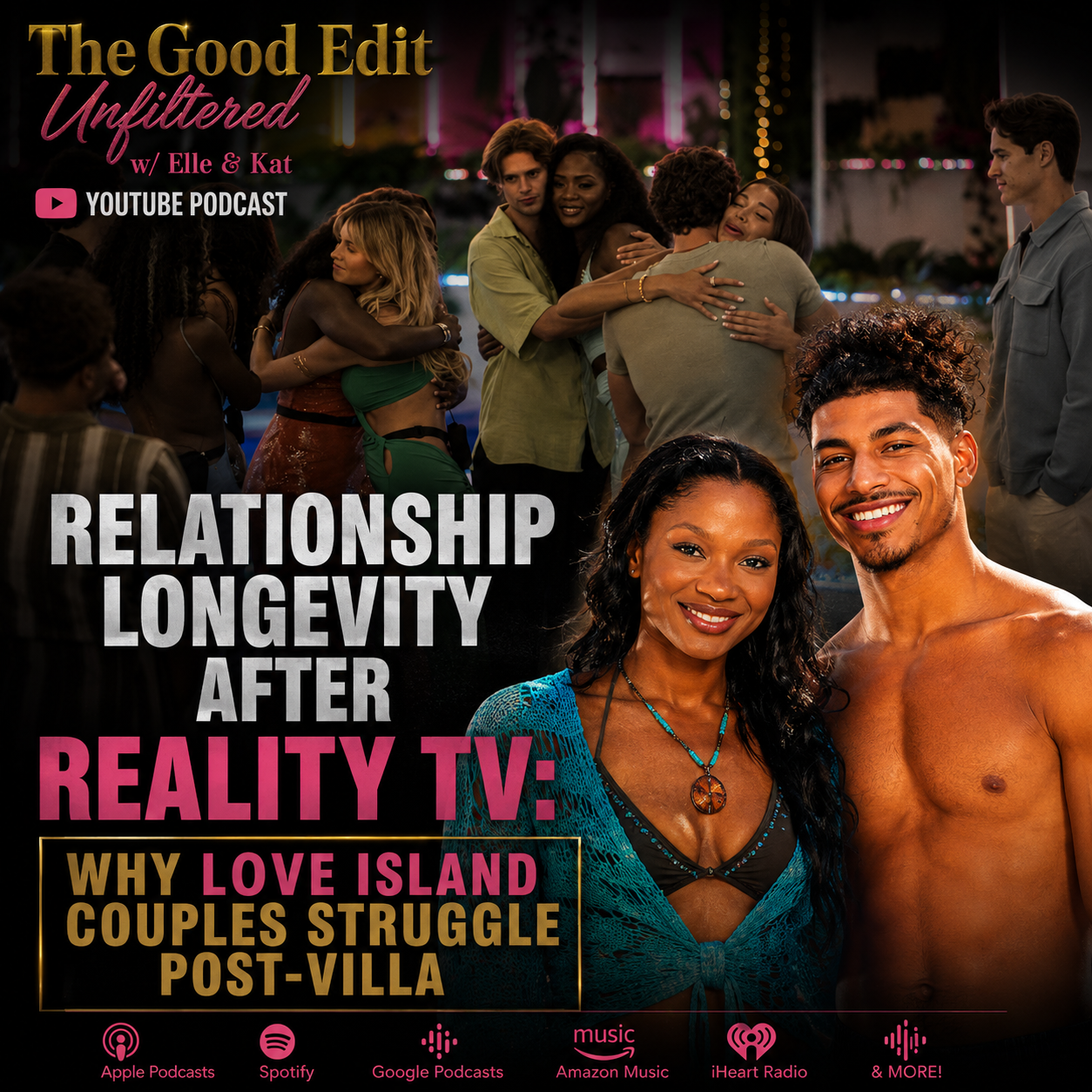
Love Island post-show relationships | When the cameras stop rolling and the villa doors close, the harsh reality of life after Love Island USA begins. Most viewers are shocked to learn that less than 10% of couples stay together long-term. This post explores the behavioral science behind why high-pressure environments create false intimacy and the specific challenges couples like those from Season 8 face when transitioning back to their real lives.
Key Takeaways
- The "pressure cooker" environment of the villa artificially accelerates emotional attachment, which often fades once outside stimuli are reintroduced.
- Social media scrutiny and public opinion act as a secondary "edit" that can fracture trust established during filming.
- Behavioral analysis shows that sustained relationships require a total recalibration of communication patterns once constant surveillance ends.
- Authenticity often struggles against the "hero or villain" narrative established by producers, impacting how couples are perceived by fans.
The Science of Villa Intimacy
In the villa, contestants exist in a sensory-deprived, high-intensity bubble. As a behavioral analyst would note, this environment triggers a psychological phenomenon known as proximity-based bonding. When you are confined with a partner 24/7, deprived of outside professional or personal stresses, and required to talk about your feelings constantly, you create a "fast-tracked" connection.
However, once a couple leaves the show, they are suddenly bombarded with career demands, family expectations, and the intrusive noise of social media. The transition from "Villa Life" to "Real Life" is where the structural integrity of these relationships is truly tested. It is not necessarily that the connection was fake; rather, the context in which it was formed is unsustainable in the real world.
Navigating the Public Gaze
Perhaps the most significant external stressor for post-show couples is the parasocial relationship fans have with their journey. When audience members feel entitled to weigh in on every fight or reconciliation, it creates a toxic feedback loop. Couples often feel the pressure to maintain their "Villa identity" to please their following, even if they have outgrown that dynamic privately. The episode of The Good Edit Unfiltered dives deeper into these pressures—Listen to the full episode to hear the breakdown of these specific dynamics.
Communication Post-Production
One of the biggest hurdles for contestants is shifting from "performative vulnerability" to "authentic communication." In the villa, producers often encourage contestants to address conflicts in ways that maximize dramatic output. Once that structure is removed, many couples find they haven't actually learned how to argue or resolve issues without the guidance of a producer or a predetermined format.
Successful couples are usually those who can acknowledge the "edit" for what it was—a creative interpretation of their time—and separate that from the actual experiences they shared in private. If a couple cannot reconcile the public version of their romance with the private reality of their life, the relationship rarely survives the first six months of post-show life.
Reclaiming the Narrative
The role of social media in post-villa life cannot be overstated. When reality TV stars regain access to their phones, they are greeted with an avalanche of opinions, clips of their worst moments, and DMs from strangers. This creates an environment of distrust. As discussed in our latest analysis, those who thrive are those who prioritize their offline interactions over their online metrics. By setting strong boundaries—like Parmida Keshani’s example of self-advocacy—they protect the sanctity of their connection from the court of public opinion.
Conclusion
Understanding why relationships struggle post-production allows us to be more empathetic viewers. We stop looking for the "perfect" couple and start looking for the resilient ones who are doing the hard work of building a foundation outside of the villa's walls. For a deeper, psychological look at how these dynamics played out during the most recent season, be sure to Listen to the full episode. We cover the behind-the-scenes psychology that you won't find anywhere else.
Frequently Asked Questions
Why do most Love Island couples break up immediately after the show?
The transition from a highly controlled, artificial environment to the real world creates a "reality shock." Many couples realize they do not have compatible long-term goals or lifestyle habits once the external structure of the show is removed.
How does the edit affect a couple's long-term success?
The edit creates a public narrative that couples often feel forced to maintain. When the public expects them to act as the "hero" or "villain" of the season, it prevents the couple from evolving naturally or acknowledging the nuanced flaws in their relationship.
Can a relationship survive the pressure of fame?
Yes, but it requires both partners to be equally committed to prioritizing their private bond over their public brand. Couples who succeed often take time away from social media to recalibrate their communication and trust.
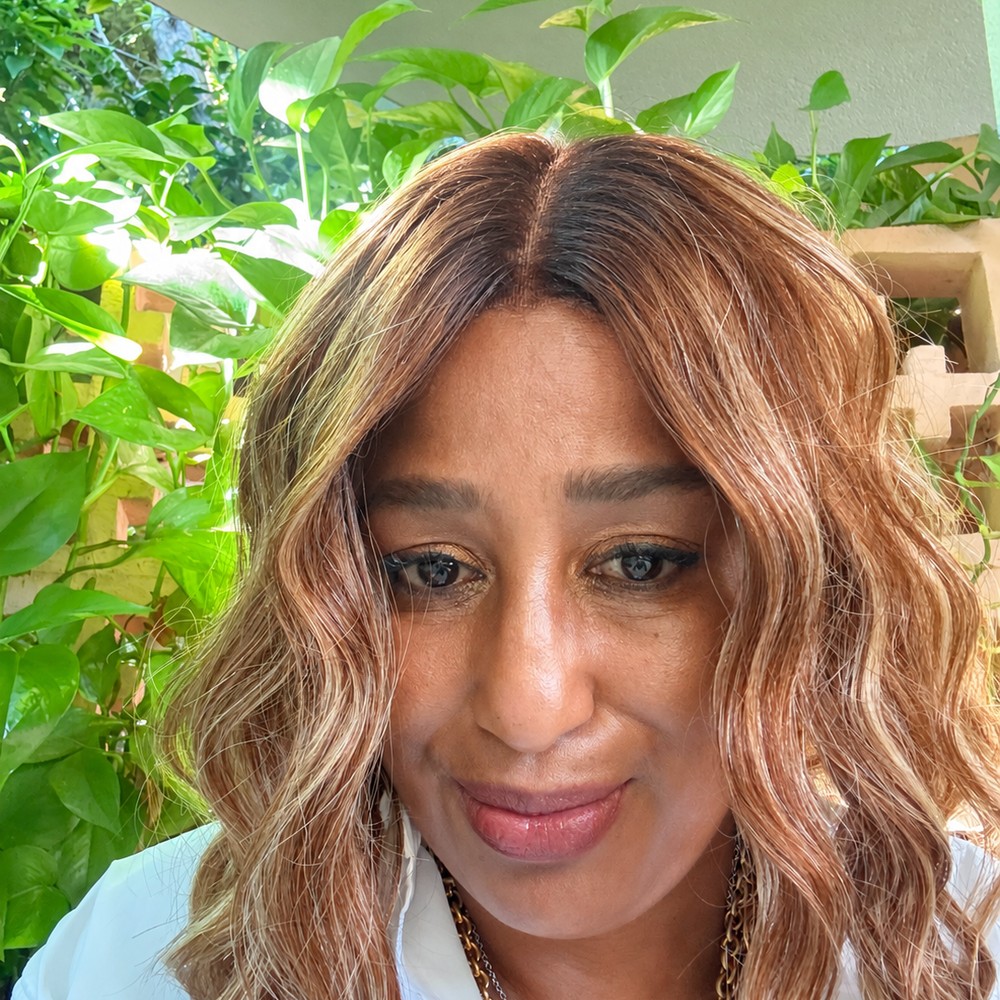
Creator | Host | Co-Executive Producer
Kat Vasseghi is a Bravo Commentator and the co-creator and co-host of The Good Edit w/ Elle & Kat, a culture-forward podcast where reality TV meets psychology, sociology, and sharp analysis. Previously known for her brand BravoRecs, Kat brings years of fluency in the Bravo universe its personalities, storylines, and fandoms paired with quick wit and a fan's instinct for the moments that matter. As a Bravo Commentator, she turns each recap into something sharper and more revealing than the average reaction show.
Known for her humor and culturally fluent takes, Kat reads the Bravo universe through the lens of the fans who live in it, catching the shifts and subtext other recaps miss. Alongside co-host Elle Schwartz, she co-created The Good Edit w/ Elle & Kat, blending cultural fluency, sharp humor, and elevated Bravo commentary into one of the most refreshing new voices in the reality TV podcast space.