Why Reality TV Couples Stay Together: The Psychology of On-Camera Commitment
psychology of reality tv couples | Reality TV relationships often baffle viewers, with couples enduring high-pressure environments, public scrutiny, and questionable long-term compatibility. By analyzing the behavioral patterns and production incentives behind these unions—such as the dynamics observed in Summer House—we can decode why some pairs prioritize their professional "on-camera" commitment over personal happiness, revealing the calculated survival strategies that keep these relationships afloat long after the cameras stop rolling.
Key Takeaways
- Understand the "Brand-Building" incentive that motivates reality stars to maintain performative relationships.
- Explore how production pressures and financial dependence influence the longevity of cast-member pairings.
- Learn to identify the difference between genuine relationship friction and storyline-driven conflict.
- Gain insight into the psychological toll of keeping a relationship alive for audience approval.
- Discover why "breaking up" is often viewed as a career risk rather than a personal choice in the Bravo universe.
The Business of Dating On-Camera
In the ecosystem of shows like Summer House or Vanderpump Rules, a relationship is rarely just a romantic endeavor; it is an asset. When cast members enter into partnerships, they are essentially creating a collaborative brand. As Elle and Kat discuss in our recent deep dive, the pressure to appear as a stable, unified front can often outweigh the internal reality of a failing partnership. For many, the transition from a single cast member to a "couple" brings increased screen time, potential for spinoffs, and a stronger bargaining position for contract renewals.
Financial Leverage and Contracts
Production companies favor storylines with high stakes. A couple navigating a wedding or a home purchase provides a narrative arc that producers can rely on for entire seasons. When cast members recognize this, the incentive to stay together becomes tied to their financial livelihood. If the show pays for your lifestyle, your wedding, or provides a platform for your side business, the cost of leaving that relationship—and potentially the show—can feel prohibitively expensive.
Psychological Factors of Staying Put
Beyond the paycheck, there is a complex psychological element to maintaining a high-profile, low-satisfaction relationship. Behavioral analysts often point to the "sunk cost fallacy" as a primary driver. These individuals have invested months, if not years, of their public persona into a specific partnership. To walk away is to admit to the audience—and themselves—that the time invested was a failure. In the age of social media, where fans are heavily invested in the success of these couples, the pressure to perform for the "fans" becomes a cage.
The Fear of Relevance
We often see reality stars cling to difficult partners because they fear losing their relevance without the relationship dynamic. If a specific cast member’s primary storyline has been their "puzzling commitment" to a partner, their identity on the show is inextricably linked to that person. Splitting up could mean a complete loss of screen time or being relegated to the background, a fate that many reality stars fear more than they fear a miserable marriage.
Decoding the Edit
What we see on screen is, by definition, a curated reality. Producers edit scenes to highlight tension or compatibility to serve the broader narrative of the season. When a couple looks "off" or confused in their choices, it is often because we are seeing the seams of a relationship that is being edited to fit a specific villain or hero arc. Understanding that production strategies dictate the visibility of these relationships is the first step toward becoming a more informed viewer. By recognizing these patterns, we can separate the manufactured drama from the genuine interpersonal struggles.
Conclusion
Ultimately, the relationships we watch on Bravo are as much a product of production design as they are of human emotion. By looking past the surface-level drama, we find a much deeper story about fame, stability, and the high price of maintaining a public image in the reality TV arena. For a deeper look at the mechanics behind these dynamics, Listen to the full episode where we unpack the specific off-camera pressures that shape your favorite shows.
Frequently Asked Questions
Why do producers push couples to stay together?
Producers often view stable couples as "narrative anchors" that provide consistent storylines, wedding arcs, or domestic dramas which are easier to market to audiences than the chaotic dating lives of singles.
Is on-camera commitment always performative?
Not necessarily. While the pressure to maintain an image is real, many couples experience genuine bonds. However, the external scrutiny and financial stakes inevitably alter how that relationship functions compared to a private one.
How does social media impact reality TV relationships?
Social media creates a secondary layer of pressure where fans demand updates and consistent photos. This creates an "illusory standard" where a couple feels they must maintain a happy image to satisfy their followers and avoid public backlash.
Why do cast members stay with difficult partners?
Often, it comes down to a combination of financial security, fear of losing their spot on the show, and the psychological difficulty of dismantling a brand that has been built around their couple-identity.
Creator | Host | Co-Executive Producer
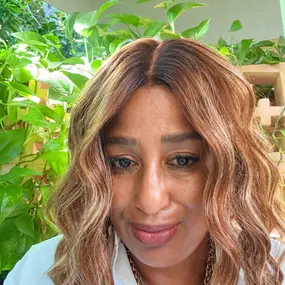
Kat Vasseghi is a Bravo Commentator and the co-creator and co-host of The Good Edit w/ Elle & Kat, a culture-forward podcast where reality TV meets psychology, sociology, and sharp analysis. Previously known for her brand BravoRecs, Kat brings years of fluency in the Bravo universe its personalities, storylines, and fandoms paired with quick wit and a fan's instinct for the moments that matter. As a Bravo Commentator, she turns each recap into something sharper and more revealing than the average reaction show.
Known for her humor and culturally fluent takes, Kat reads the Bravo universe through the lens of the fans who live in it, catching the shifts and subtext other recaps miss. Alongside co-host Elle Schwartz, she co-created The Good Edit w/ Elle & Kat, blending cultural fluency, sharp humor, and elevated Bravo commentary into one of the most refreshing new voices in the reality TV podcast space.