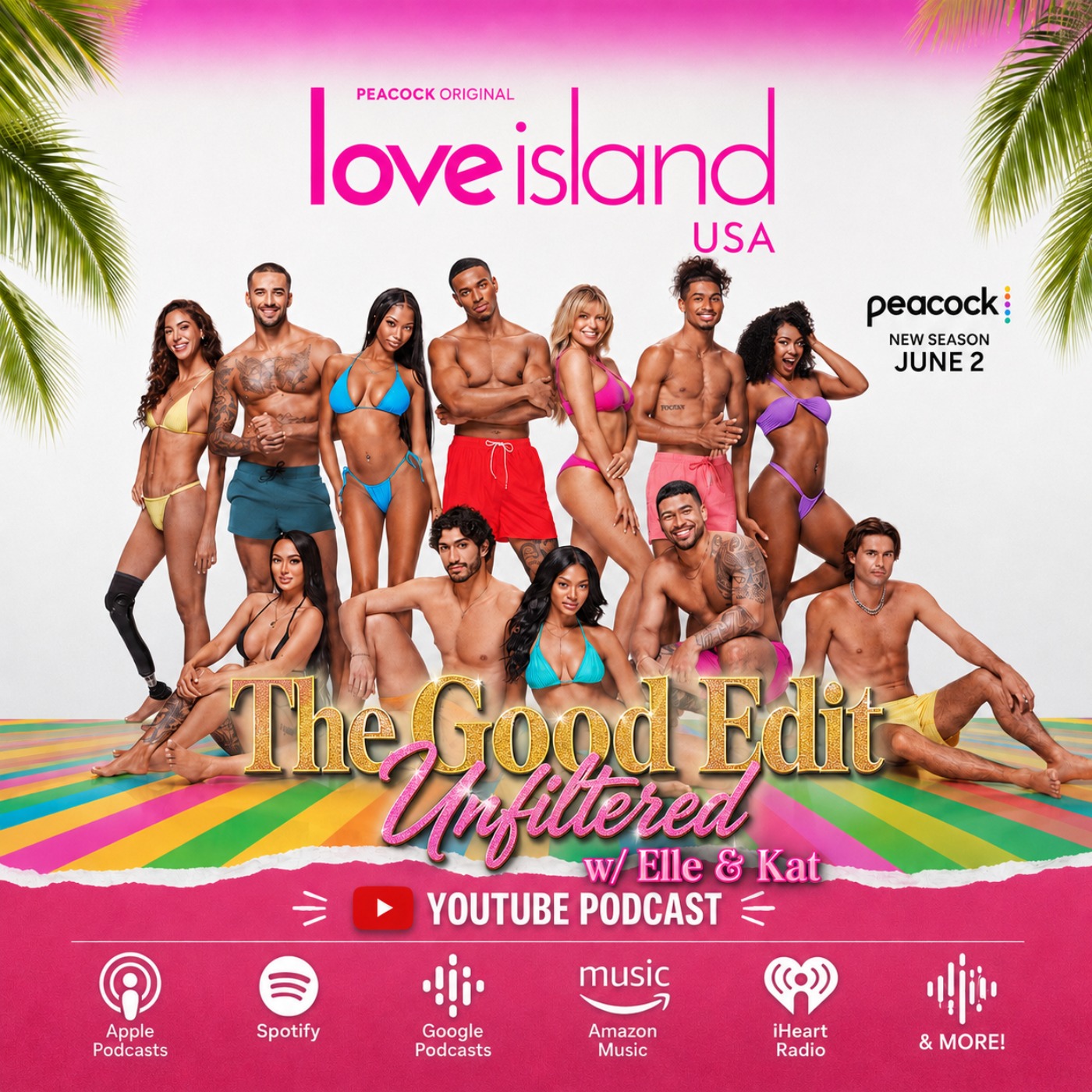
Positive Masculinity on Love Island USA: Lessons from the Villa Dads

positive masculinity in reality tv | Reality television is often criticized for highlighting toxic behavior, but the depiction of fatherhood on Love Island USA Season 8 provides a refreshing masterclass in positive masculinity. By analyzing the communication styles and emotional intelligence of the fathers featured in the villa, viewers can identify key lessons on how accountability, vulnerability, and genuine support can redefine modern relationship dynamics both on and off the screen.
Key Takeaways
- The inclusion of father figures offers a blueprint for healthy, emotionally mature communication.
- Authentic vulnerability, rather than performative toughness, serves as a pillar for long-term relational stability.
- The "Daddy Benjamin" dynamic challenges outdated stereotypes regarding Black and Hispanic paternal roles.
- Accountability is prioritized over conflict, proving that true strength lies in navigating uncomfortable conversations with grace.
Redefining the Male Archetype
For years, reality dating shows have relied on a singular "alpha" archetype—a character defined by bravado, possessiveness, and an aversion to emotional labor. However, Love Island USA Season 8 has disrupted this narrative by centering on men who prioritize family values and active listening. This shift in casting and editing highlights that the most compelling "stars" aren't necessarily those creating the most drama, but those providing the most stable emotional foundations.
Vulnerability as a Strength
One of the most notable aspects of the season is how the male contestants—and the visiting paternal figures—model healthy vulnerability. Rather than suppressing their anxieties or resorting to deflection, these figures demonstrate that acknowledging one's feelings is a catalyst for deeper intimacy. This is a stark contrast to typical reality TV tropes, where emotional openness is often edited as weakness.
Cultural Nuance in Paternal Roles
A critical discussion point for audiences is the portrayal of Black and Hispanic fathers, such as the widely discussed impact of "Daddy Benjamin." These portrayals provide a vital counter-narrative to the monolithic stereotypes often perpetuated in mass media. By showcasing fathers who lead with accountability and affection, the show offers a more inclusive look at how cultural values shape individual identity and romantic choices.
When we look at the "edit" of these interactions, it becomes clear that their presence isn't just for dramatic effect. It serves to ground the contestants. When a father figure enters the space, the dynamics often shift away from superficial "game-playing" and toward authentic relational evaluation. This confirms that even in a highly produced environment, the presence of genuine parental wisdom can act as a North Star for the younger contestants.
Accountability Over Conflict
Modern dating is plagued by "ghosting" and conflict avoidance. In the villa, the influence of mature paternal figures encourages the opposite: direct, empathetic, and accountability-driven communication. The way these men approach their daughters' partners—asking the hard questions about intentions and future compatibility—provides a roadmap for setting healthy boundaries. It’s an essential lesson for viewers who may be struggling to navigate their own modern romantic entanglements.
The "mess" of the villa, often characterized by the show’s high-stakes challenges, is frequently balanced by these moments of profound wisdom. Viewers often get caught up in the drama of who is going home or which couple is failing, but the real "win" of the season lies in these brief, intense moments of connection. The ability to hold one's partner accountable without descending into vitriol is a skill that the show implicitly champions through these segments.
Conclusion
Love Island USA Season 8 has proven that beneath the surface of "gross" challenges and high-stakes recouplings, there is a core of human development that is worth dissecting. By looking closer at the role of positive masculinity, we can take away actionable strategies for our own lives—whether that means setting higher standards for our partners or learning how to communicate our needs with maturity. For a deeper psychological analysis of these moments, Listen to the full episode. Join Elle and Kat as they break down the production strategies and character arcs that shaped this season's most meaningful moments.
Frequently Asked Questions
Why is positive masculinity significant on reality TV?
Positive masculinity acts as a necessary counter-balance to the conflict-driven "alpha" tropes, showing viewers that emotional intelligence and accountability are more effective in sustaining relationships.
How do paternal figures change the villa dynamics?
Their presence forces a shift from superficial gaming to deeper, values-based conversations, often acting as a catalyst for contestants to take their relationships more seriously.
Does the edit impact how we perceive fatherhood?
Absolutely. The production team often chooses to highlight or obscure specific moments; in this case, focusing on the fathers' wisdom shifts the narrative away from typical reality show chaos and toward personal growth.
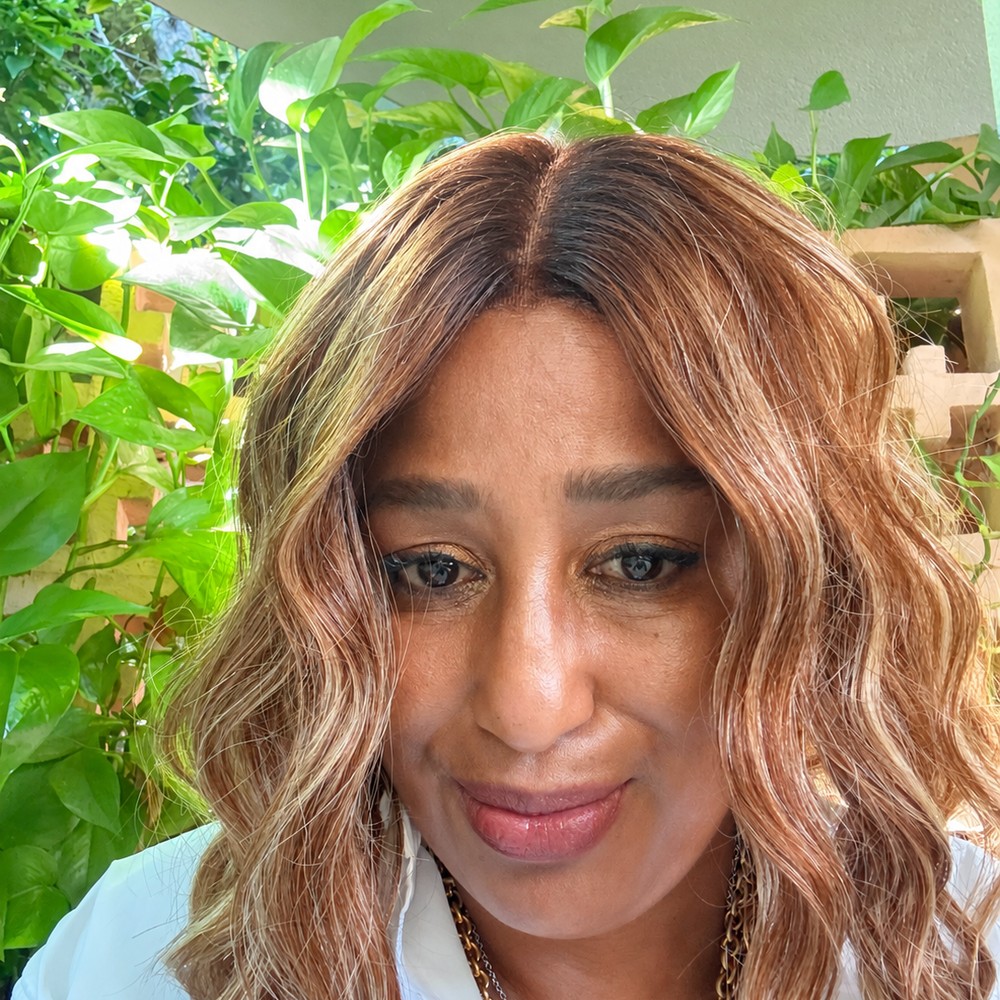
Creator | Host | Co-Executive Producer
Kat Vasseghi is a Bravo Commentator and the co-creator and co-host of The Good Edit w/ Elle & Kat, a culture-forward podcast where reality TV meets psychology, sociology, and sharp analysis. Previously known for her brand BravoRecs, Kat brings years of fluency in the Bravo universe its personalities, storylines, and fandoms paired with quick wit and a fan's instinct for the moments that matter. As a Bravo Commentator, she turns each recap into something sharper and more revealing than the average reaction show.
Known for her humor and culturally fluent takes, Kat reads the Bravo universe through the lens of the fans who live in it, catching the shifts and subtext other recaps miss. Alongside co-host Elle Schwartz, she co-created The Good Edit w/ Elle & Kat, blending cultural fluency, sharp humor, and elevated Bravo commentary into one of the most refreshing new voices in the reality TV podcast space.