Love Island USA Villain Edits: How Melanie's Narrative is Being Constructed in Real-Time

Love Island USA Villain Edits | This post delves into the intricate ways reality TV constructs "villain" narratives, using Melanie's storyline on Love Island USA Season 8 as a prime example. We'll explore the editing techniques and psychological tactics employed to shape audience perception, moving beyond simple recaps to understand the 'edit behind the edit.'
Key Takeaways
- Reality TV often strategically frames characters to fulfill narrative archetypes, particularly the "villain."
- Melanie's edit on Love Island USA Season 8 is examined as a case study in real-time villain construction.
- The post explores how specific actions, dialogue choices, and narrative framing contribute to a perceived aggressive or unsympathetic portrayal.
- Understanding these editing tactics allows viewers to critically analyze the manufactured drama and power dynamics within reality shows.
- The contrast between assigning vulnerability and coding characters as aggressors is a key strategy in villain edits.
The Art of the Villain Edit
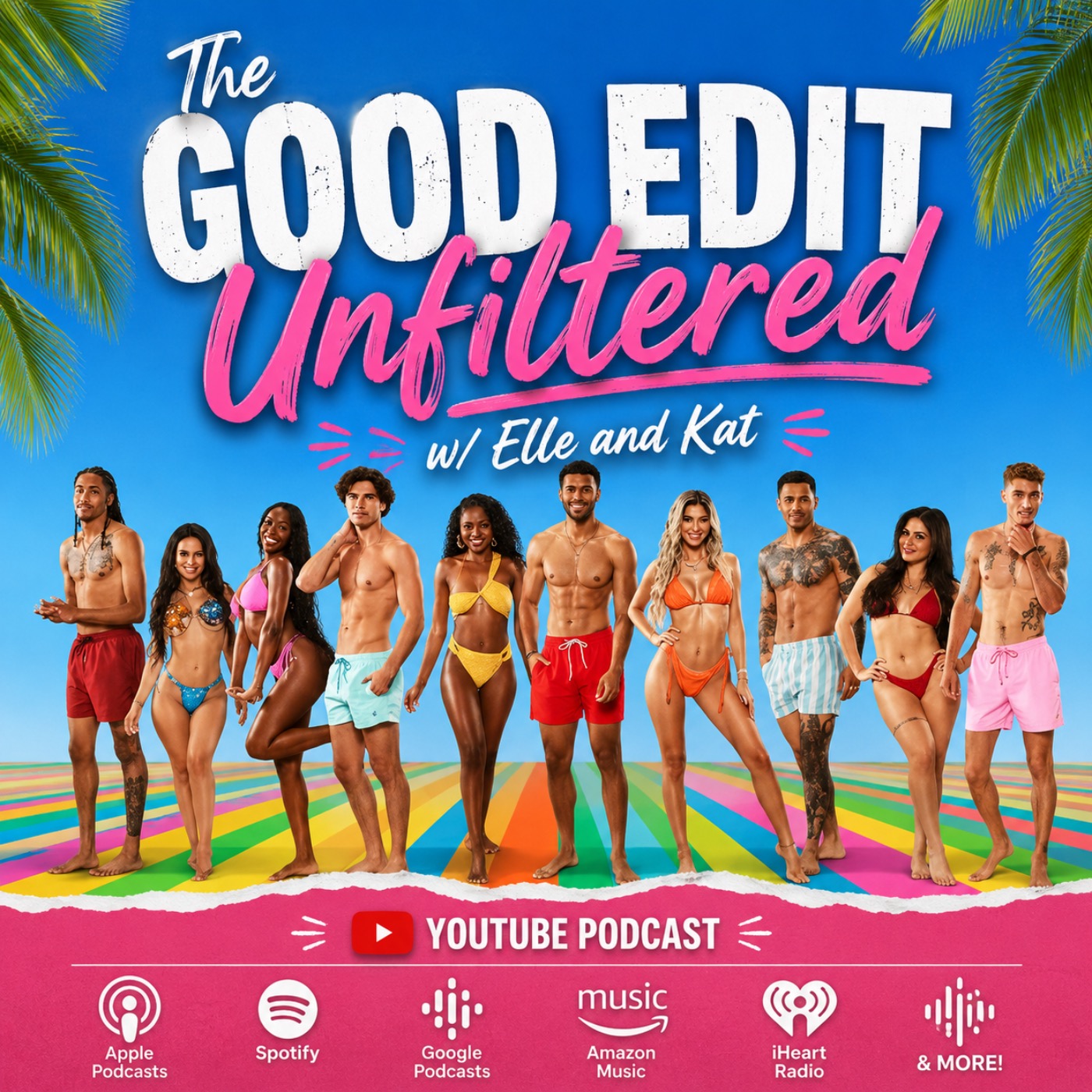
Reality television thrives on compelling narratives, and few are as potent as the classic hero/villain dynamic. While audiences often root for the relatable heroes, the villains provide the conflict, the stakes, and the unforgettable moments that keep viewers hooked. However, these characters are rarely born villains; they are meticulously crafted through the editing process. The Good Edit Unfiltered podcast, hosted by Elle Schwartz and Kat Vasseghi, consistently unpacks these behind-the-scenes strategies, and in their breakdown of Love Island USA Season 8, Episode 9, the emergence of Melanie's potential villain edit offers a fascinating case study. This isn't just about who was saved or who went home; it's about understanding the subtle, and sometimes not-so-subtle, ways a narrative is built to make one person appear as the antagonist.
Melanie's Storyline: A Construction in Progress
In the Love Island villa, every interaction, every decision, is fodder for the narrative. When America's vote left Corbin, Beatriz, and Melanie vulnerable, the subsequent production decision to have Corbin choose between Beatriz and Melanie became a pivotal moment. Corbin's choice to save Melanie, sending Beatriz home, immediately placed Melanie in a complex position. The hosts on The Good Edit Unfiltered noted that this mechanic forces the audience to grapple with who deserves to stay, and the framing of Corbin's decision – and Melanie's reaction or subsequent actions – can significantly influence how she is perceived. Is she the woman who was saved, a desirable partner? Or is she the one who benefited from another's elimination, a potentially calculated move? The edit often leans into the latter to create drama and assign roles.
We see this play out in how her interactions are presented. If she expresses a desire for a connection with Corbin, it might be edited to look less like genuine affection and more like an opportunistic grab for stability after the vote. If she navigates post-elimination conversations with an air of self-preservation, it can easily be spun as arrogance or indifference to others' feelings. The podcast hosts delve into the very real-time construction of such edits, highlighting that what we see is not raw footage but a curated story designed to elicit specific emotional responses from the viewer.
The Villain Archetype in Reality TV
The creation of a villain in reality TV often follows established patterns. These can include:
- Selective Editing: Showing only specific clips of a person's behavior, often cherry-picked to highlight negative traits or conflicts.
- Misleading Context: Presenting dialogue or actions without the full context, making them appear harsher or more malicious than intended.
- Narrative Framing: Using voiceovers, confessionals from other cast members, or on-screen text to guide the audience's interpretation of an event or person.
- Juxtaposition: Placing clips of a "villain" next to those of a "hero" to amplify the perceived differences and make one seem more favorable.
- Focus on Conflict: Exclusively highlighting moments of argument, disagreement, or social maneuvering, while downplaying moments of kindness or vulnerability.
In Melanie's case, the vulnerability Corbin might have seen in her, or the security she sought, could be edited to appear as manipulation. The very act of being chosen over another contestant, especially if the other contestant is portrayed sympathetically, can set the stage for negative perception. The Good Edit Unfiltered podcast's strength lies in its ability to dissect these tactics, revealing how seemingly objective reality is, in fact, heavily influenced by producer choices and narrative goals.
Comparing Vulnerability and Aggression in Edits
A key insight from the podcast discussion is the stark contrast in how reality TV assigns vulnerability versus how it codes characters as aggressors. Vulnerability is often reserved for characters the producers want the audience to root for. It's shown through tears, expressions of insecurity, or a clear need for support. This makes them relatable and elicits empathy. Conversely, behaviors that might stem from insecurity, defensiveness, or a strong personality can easily be twisted into aggression when the goal is to create a villain.
Consider the subtle differences: A character seeking reassurance might be edited to appear needy, while a character asserting their needs might be edited to appear demanding. A character expressing frustration might be shown as volatile, while a character perceived as a hero expressing the same emotion might be seen as passionate. For Melanie, any perceived assertiveness in securing her place in the villa, or in her interactions with Corbin post-choice, could be easily framed as aggressive or manipulative, especially if Beatriz was edited to appear more sympathetic or wronged. The podcast hosts excel at pointing out who the edit *grants* vulnerability to, and by extension, who it must therefore code as the aggressor to maintain narrative balance.
Beyond the Villain: The Psychology of Perception
Understanding the construction of a villain edit isn't just about critique; it's about understanding the psychology of how we consume reality TV. When we are presented with a narrative, our brains naturally try to fit individuals into roles. The editing team understands this and actively works to reinforce those roles. If Melanie is consistently shown in situations that highlight her strategic thinking or her assertiveness in a way that clashes with other contestants, the audience's perception will likely harden. This is amplified by the fact that many viewers vote on these shows, meaning their perception directly impacts who stays and who goes.
The hosts of The Good Edit Unfiltered emphasize that the edit is never accidental. Every cut, every soundbite, every confessional is a deliberate choice. By analyzing Melanie's narrative arc, we can gain a deeper appreciation for the power of production and editing in shaping not just individual storylines but our overall viewing experience. It encourages us to question what we see, to look for the underlying motivations and strategies, and to recognize that the "drama" is often a carefully constructed product.
This detailed breakdown of how villain edits are constructed in real-time, using Melanie from Love Island USA as an example, offers a glimpse into the sophisticated, yet often manipulative, art of reality television production. It's a reminder that behind every dramatic moment is a team of editors and producers working to tell a specific story, and understanding their methods is key to becoming a more critical and informed viewer.
For a more in-depth discussion on this and other Love Island USA dynamics, including America's vote impact and relationship predictions, Listen to the full episode. Elle and Kat provide even more insights into the psychology of reality TV and the narratives that unfold each week.
Frequently Asked Questions
How does selective editing contribute to a villain narrative?
Selective editing contributes by showing only specific moments that highlight negative traits, conflicts, or undesirable behaviors, while omitting context or positive interactions that might paint the person in a more favorable light. This curated presentation helps shape the audience's perception into one of an antagonist.
What is the difference between assigning vulnerability and coding aggression in reality TV edits?
Assigning vulnerability typically involves showcasing emotional weakness, insecurity, or a need for support in characters producers want viewers to empathize with. Coding aggression, conversely, involves framing a character's assertiveness, defensiveness, or strong reactions as hostile or malicious, often to create conflict and make them appear unsympathetic.
Can a character's perceived villain edit change throughout a season?
Yes, a character's perceived villain edit can change. While initial edits might establish a narrative, subsequent events, editing choices, or shifts in audience perception can lead to a re-evaluation. However, once a strong villain narrative is established, it can be difficult to alter without significant narrative intervention.
Why do reality shows create villain characters?
Villain characters are crucial for creating drama, conflict, and stakes within a reality show's narrative. They drive storylines, provoke reactions from other contestants, and provide a focal point for audience engagement and debate, making the show more compelling and entertaining.
How can viewers become more critical of villain edits?
Viewers can become more critical by actively questioning what they see, looking for inconsistencies, considering alternative interpretations of actions and dialogue, and understanding common editing techniques. Podcasts like The Good Edit Unfiltered that analyze production strategies also equip viewers with the tools to deconstruct these narratives.
Creator | Host | Co-Executive Producer
Kat Vasseghi is a Bravo Commentator and the co-creator and co-host of The Good Edit w/ Elle & Kat, a culture-forward podcast where reality TV meets psychology, sociology, and sharp analysis. Previously known for her brand BravoRecs, Kat brings years of fluency in the Bravo universe its personalities, storylines, and fandoms paired with quick wit and a fan's instinct for the moments that matter. As a Bravo Commentator, she turns each recap into something sharper and more revealing than the average reaction show.
Known for her humor and culturally fluent takes, Kat reads the Bravo universe through the lens of the fans who live in it, catching the shifts and subtext other recaps miss. Alongside co-host Elle Schwartz, she co-created The Good Edit w/ Elle & Kat, blending cultural fluency, sharp humor, and elevated Bravo commentary into one of the most refreshing new voices in the reality TV podcast space.