Navigating Sibling Comparisons: How Thoughtless Words Can Break Friendships
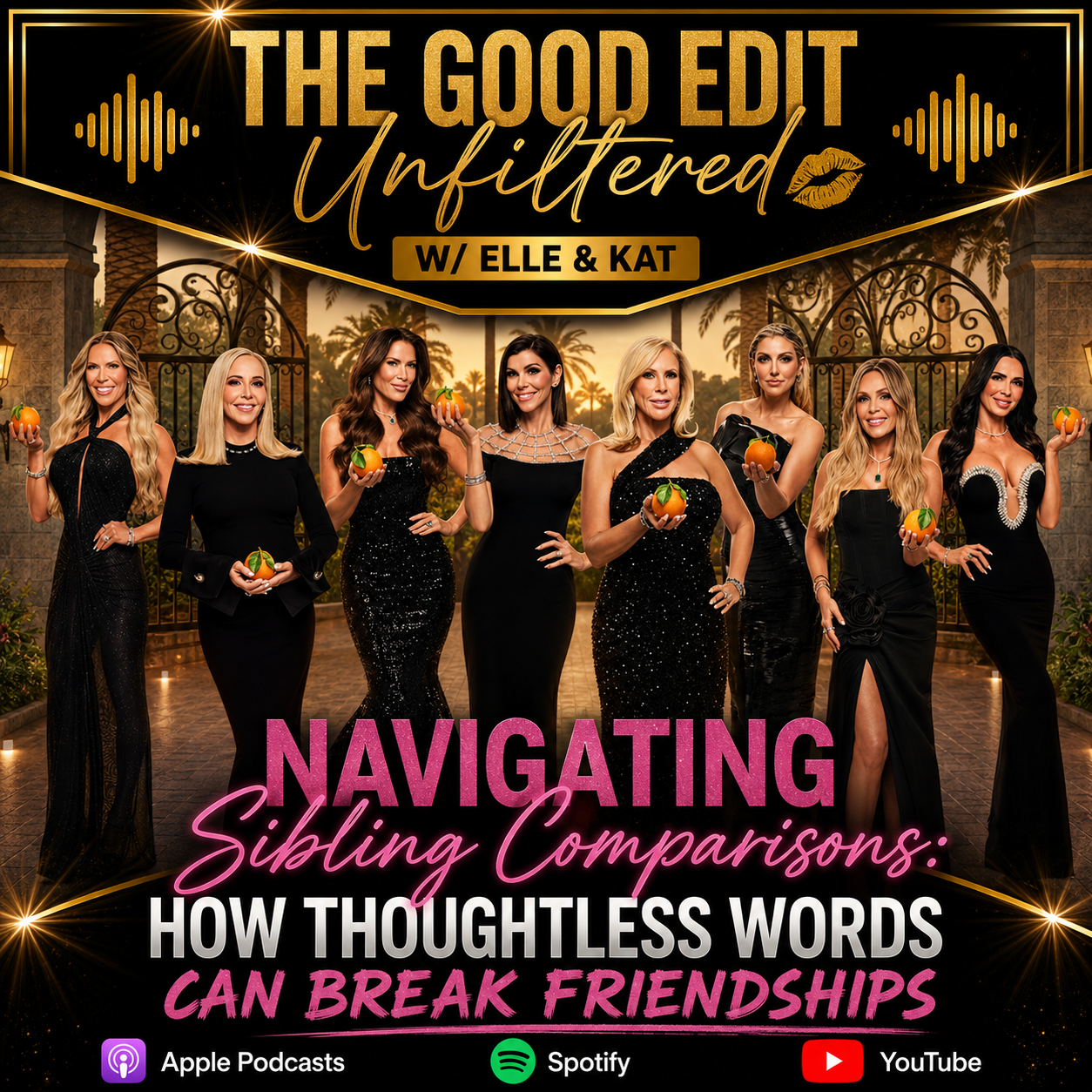
Repairing trust after betrayal in friendships | Ever felt the sting of a friend's careless words? Sometimes, comparisons meant to be lighthearted can land like a betrayal, especially when they touch on deeply personal dynamics. This post explores how such comments can fracture trust and the difficult path to mending those bonds, drawing insights from the emotional fallout seen in friendships.
Key Takeaways
- A thoughtless comparison, especially one invoking sibling dynamics, can feel like a profound betrayal of trust in a friendship.
- Such comments often reveal underlying issues about boundaries, respect, and how individuals perceive their place within a friend group.
- Repairing the damage from hurtful comparisons requires genuine acknowledgment, sincere apology, and a commitment to changed behavior.
- Understanding the emotional impact of being reduced to a label or a role within a comparison is crucial for empathy and reconciliation.
- Rebuilding trust after words have caused significant hurt involves active listening and validating the feelings of the person who was wounded.
The Unexpected Sting of Sibling Comparisons
In the intricate tapestry of friendships, trust is the golden thread that holds everything together. When that thread is pulled, or worse, snapped, the entire fabric can unravel. One of the most surprising ways trust can be eroded is through seemingly casual comparisons, particularly those that invoke sibling dynamics. In the recent episode of The Good Edit Unfiltered, a comment comparing individuals to siblings sparked significant emotional turmoil. This wasn't just an offhand remark; it struck a nerve, revealing how deeply personal and sensitive these associations can be. For many, being compared to a sibling, especially in a negative or demeaning context, can feel like a dismissal of their individuality and the unique bond they share with their friends. It can imply a lack of respect for their personal boundaries and relationships, suggesting that their friendships are somehow less significant or easily interchangeable.
The psychology behind this is fascinating. Siblings often have complex histories, shared traumas, and ingrained dynamics that outsiders rarely fully grasp. To be placed in that context by someone outside the family unit, particularly a friend, can feel intrusive and invalidating. It can bring up old wounds or create new ones, forcing individuals to confront uncomfortable parallels or feel misrepresented. The discomfort isn't just about the comparison itself, but what it signifies: a potential lack of understanding or an inappropriate projection of familial roles onto friendships. This can lead to feelings of alienation, hurt, and a questioning of the friend's true perception of them. In essence, a seemingly small comment can tap into deep-seated insecurities and unmet needs for validation within the friendship, making the process of rebuilding trust particularly challenging.
When Words Become Weapons: Understanding Betrayal Through Comparison
Betrayal in friendships doesn't always manifest as grand acts of disloyalty. More often, it’s the cumulative effect of smaller transgressions, careless words, and a failure to recognize the impact of one’s actions. In the context of the episode, the comparison to siblings served as a catalyst, exposing a deeper vulnerability and a potential breakdown in communication and empathy. When one friend uses language that demeans or misrepresents another, even unintentionally, it can feel like a profound betrayal. This is particularly true when the comparison touches upon sensitive personal histories or perceived slights within the friend group. It suggests that the friend speaking may not truly see or understand the other person's perspective, leading to a significant breach of the assumed intimacy and understanding that defines a close friendship.
The ripple effect of such comments can be devastating. What might be dismissed by the speaker as a joke or a casual observation can land with the weight of a deliberate insult for the recipient. This disconnect highlights a critical aspect of repairing trust: the need for genuine acknowledgment and validation of the other person's feelings. Simply saying 'I didn't mean it that way' is often insufficient. It requires the speaker to understand *why* their words were hurtful and to demonstrate empathy for the pain they caused. This process involves active listening, a willingness to see the situation from the betrayed friend's point of view, and a sincere apology that goes beyond a superficial 'sorry.' Without this deeper level of understanding and remorse, the damage inflicted by careless words can fester, leading to resentment, distance, and ultimately, the unraveling of the friendship.
Mending the Fracture: Steps to Rebuilding Trust
Rebuilding trust after a friendship has been damaged by hurtful words, like a misguided sibling comparison, is a delicate and often lengthy process. It requires a concerted effort from both parties, but the onus for initiating the repair typically falls on the person who caused the hurt. The first and most crucial step is sincere acknowledgment of the harm done. This means not just admitting that words were spoken, but understanding and validating the emotional response they elicited. The person who was hurt needs to feel heard and understood, not dismissed or minimized. Phrases like, "I understand that my comment about siblings was deeply hurtful to you, and I am truly sorry for causing you pain," are more effective than a blanket apology.
Following acknowledgment, an earnest apology is essential. This apology should be specific, expressing remorse for the action and its consequences. It’s not about making excuses or shifting blame. Instead, it’s about taking responsibility for the impact of one's words. After the apology, demonstrating changed behavior is paramount. This involves actively working to avoid similar hurtful comments in the future, being more mindful of language, and showing through actions that the friendship is valued. Setting clear boundaries is also a vital component of rebuilding trust. This might involve a conversation about what topics are off-limits or how certain types of jokes are received. Finally, patience and consistency are key. Trust isn't rebuilt overnight. It requires ongoing effort, reassurance, and a demonstrated commitment to respecting the other person's feelings and boundaries. When these steps are taken sincerely, there is hope for mending the fracture and emerging with a stronger, more resilient friendship.
Beyond the Episode: Lessons for Real-Life Friendships
While the drama unfolding on reality television provides a captivating backdrop for discussions about relationships, the lessons learned are often deeply applicable to our own lives. The scenario involving hurtful comparisons, particularly those evoking sibling dynamics, serves as a powerful reminder of the importance of mindful communication in all our friendships. We may not be on a Bravo show, but the potential for words to wound is universal. Understanding that even casual remarks can carry significant emotional weight is the first step toward fostering healthier, more supportive connections.
It prompts us to reflect on our own communication styles. Are we truly listening to our friends, or just waiting for our turn to speak? Do we consider the potential impact of our words before we utter them? The episode implicitly highlights that true friendship requires empathy – the ability to step into another's shoes and understand their feelings, even if we don't fully agree with their reaction. When we fail to do so, we risk creating misunderstandings and damaging the trust that binds us. The path to reconciliation, as seen in these amplified situations, is a roadmap for navigating everyday interpersonal challenges. It teaches us that vulnerability, honesty, and a willingness to repair are essential ingredients for maintaining meaningful relationships. By internalizing these lessons, we can proactively strengthen our own friendships, ensuring that they are built on a foundation of respect, understanding, and unwavering trust.
Frequently Asked Questions
What is the difference between a hurtful comment and a true betrayal in a friendship?
While both can cause pain, a true betrayal often involves a deeper breach of trust, such as revealing secrets, outright lying, or acting with malicious intent. A hurtful comment, while damaging, might stem from carelessness or a lack of awareness rather than deliberate malice, though the impact can still be severe and require significant effort to repair.
How long does it typically take to repair trust after a friendship betrayal?
The timeline for repairing trust varies greatly depending on the severity of the betrayal, the individuals involved, and their commitment to the process. It can take weeks, months, or even years. Consistent effort, genuine remorse, and demonstrated changed behavior are more important than a specific timeframe.
Can a friendship survive after a major betrayal?
Yes, a friendship can survive, and sometimes even become stronger, after a major betrayal, but it requires significant work from both parties. The person who betrayed trust must earn it back through consistent honesty and accountability, while the betrayed person must be willing to eventually forgive and rebuild. Not all friendships can or should be salvaged, but many can be, with dedication.
What are the signs that a friend is not genuinely sorry for their actions?
Signs of insincere apology include making excuses, blaming others, minimizing the hurt caused, repeating the hurtful behavior, or expecting immediate forgiveness without earning it. A genuinely sorry friend will take responsibility, show empathy, and actively work to change their behavior.
Creator | Host | Co-Executive Producer
Kat Vasseghi is a Bravo Commentator and the co-creator and co-host of The Good Edit w/ Elle & Kat, a culture-forward podcast where reality TV meets psychology, sociology, and sharp analysis. Previously known for her brand BravoRecs, Kat brings years of fluency in the Bravo universe its personalities, storylines, and fandoms paired with quick wit and a fan's instinct for the moments that matter. As a Bravo Commentator, she turns each recap into something sharper and more revealing than the average reaction show.
Known for her humor and culturally fluent takes, Kat reads the Bravo universe through the lens of the fans who live in it, catching the shifts and subtext other recaps miss. Alongside co-host Elle Schwartz, she co-created The Good Edit w/ Elle & Kat, blending cultural fluency, sharp humor, and elevated Bravo commentary into one of the most refreshing new voices in the reality TV podcast space.