Navigating Adult Autonomy: When Parents Struggle to Let Go After Loss
The "Maggie Madness" episode of RHOA highlights a tough reality: how a parent's grief can impact their adult child's burgeoning autonomy. We're diving into the emotional tightrope of grown children seeking independence while parents grapple with letting go, especially when a family mediator is gone.
Key Takeaways
- The loss of a grandparent can disrupt the established communication patterns between a parent and their adult child.
- Disagreements over seemingly minor family decisions can often be rooted in a parent's struggle with their adult child's autonomy.
- A parent’s grief can manifest as controlling behavior or an inability to recognize their adult child's independence.
- Adult children may feel stifled or unheard when a parent imposes outdated expectations due to their own emotional distress.
- Understanding these dynamics requires empathy for both the parent's grief and the adult child's need for self-determination.
- Behavioral analysis can illuminate how unresolved grief can trigger power struggles in family relationships.
Grief and the Autonomy Squeeze
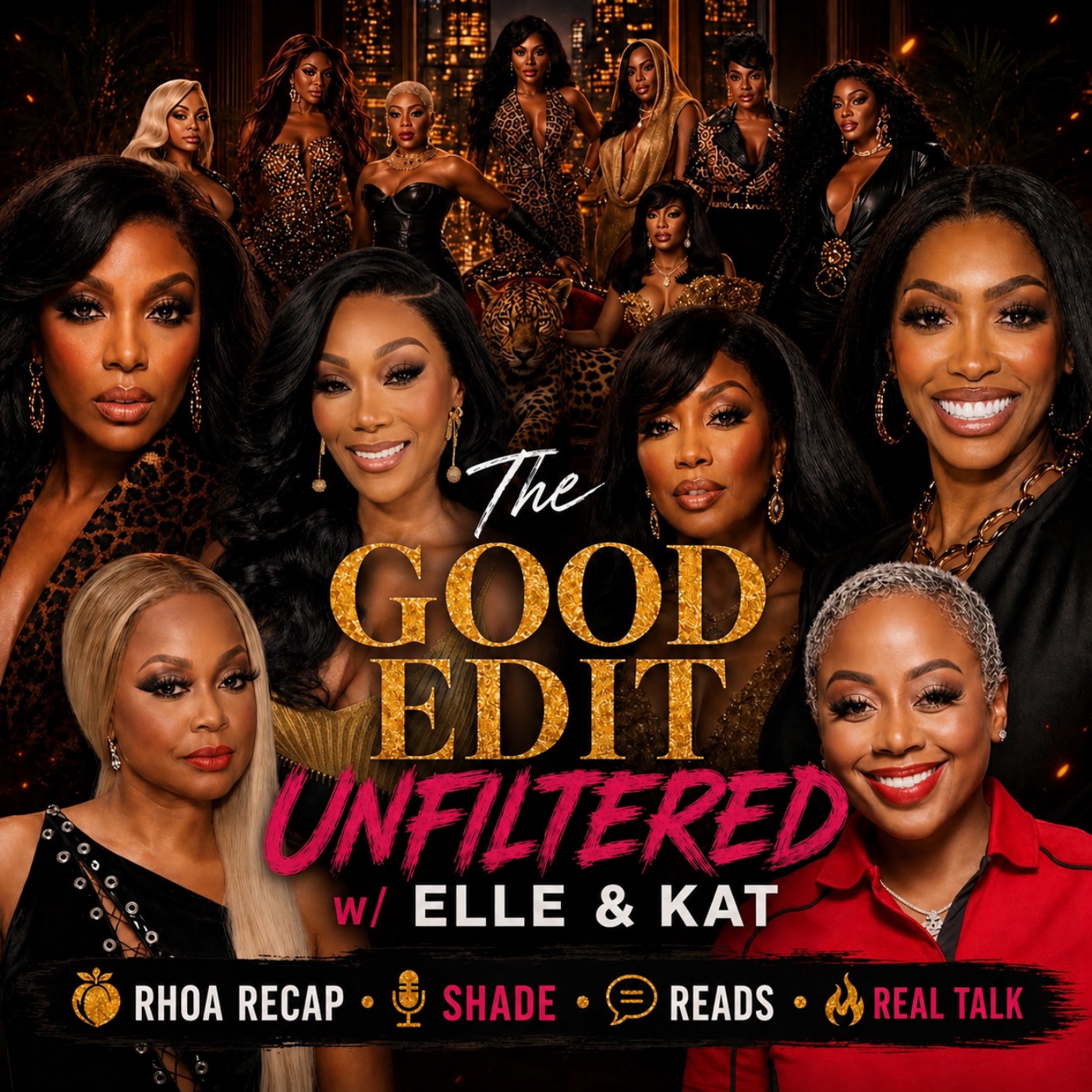
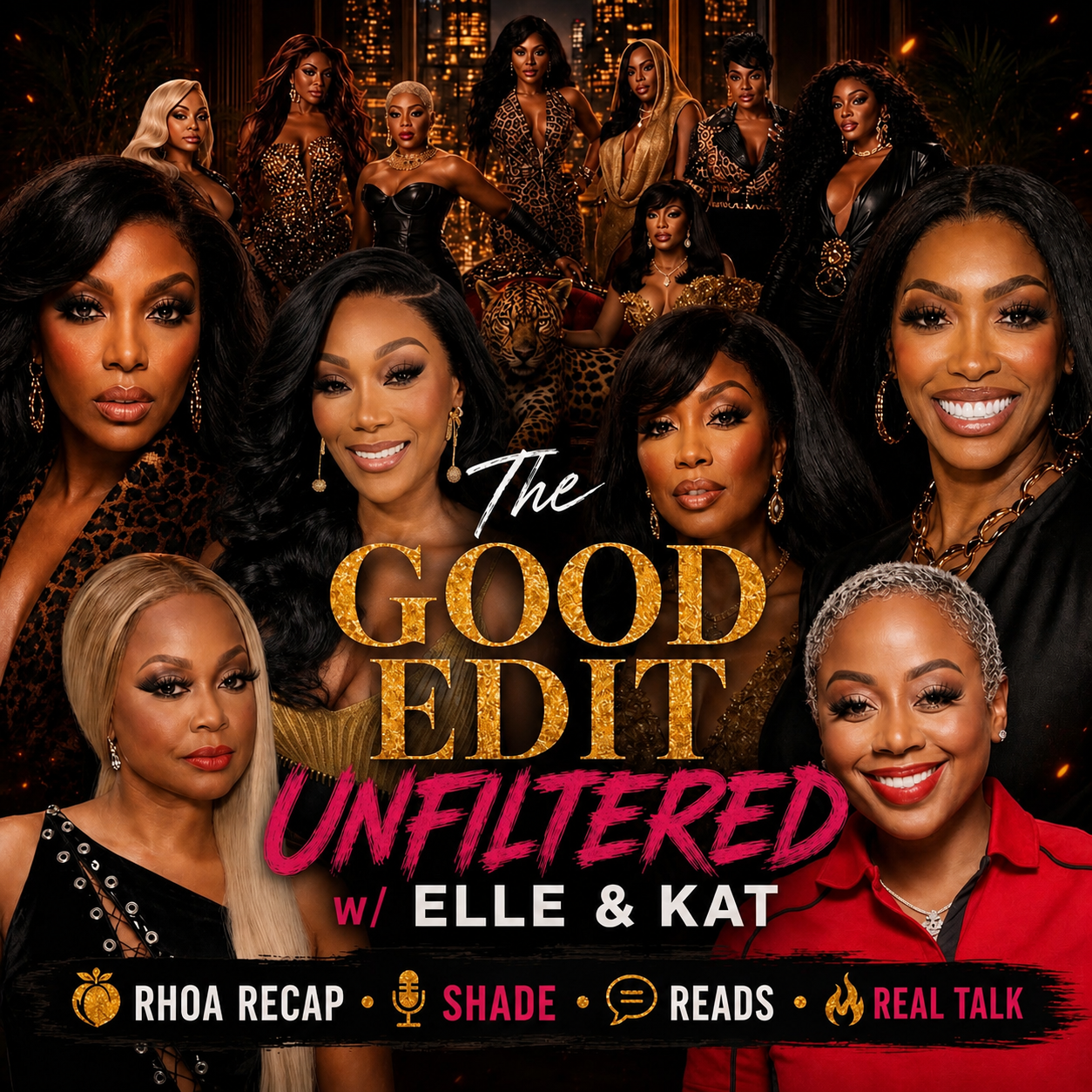
In the latest episode of The Good Edit Unfiltered podcast, Elle and Kat dissect a particularly poignant dynamic from The Real Housewives of Atlanta: the complex interplay between a parent's grief and an adult child's quest for autonomy. The "Maggie Madness" episode centers on Angela and her daughter Ahmauri, whose conflict over managing family communications with younger siblings serves as a microcosm for larger issues. What appears to be a simple disagreement over family logistics quickly unravels into a raw exploration of agency and control, exacerbated by the recent loss of Angela’s mother. This loss, the podcast hosts suggest, has left a void not just emotionally, but also in the family’s communicative structure, forcing Angela and Ahmauri into a more direct, and often contentious, relationship.
Elle Schwartz, a behavioral analyst, points out on the podcast that Angela's grief is a significant driver behind her actions, even leading to staging confrontations at sensitive times. This underscores a critical aspect of parent-adult child dynamics after loss: a parent’s own unresolved emotions can inadvertently stifle their adult child’s need for independence. Ahmauri, as an adult, is seeking to establish her own voice and decision-making capabilities. However, Angela, perhaps still processing her own mother's absence and the shift in family roles that entails, finds it difficult to cede control or fully acknowledge Ahmauri's adult status. The podcast unpacks how the grandmother, who may have previously acted as a buffer or mediator, is no longer present to ease these transitions, leaving Angela and Ahmauri to navigate these challenging waters directly.
When Parents Struggle to Adjust
The transition to adulthood for a child is a significant life event for both parties. For the child, it's about carving out an independent identity. For the parent, it can be a challenging adjustment from nurturing a dependent to relating to an equal. When this adjustment period is compounded by grief, the dynamic can become even more complicated. The RHOA situation, as analyzed on The Good Edit Unfiltered, shows a parent struggling to grant the autonomy her adult daughter deserves. Ahmauri’s desire to communicate with younger siblings in her own way is met with resistance from Angela, who seems to be operating from a place of emotional distress rather than objective reasoning. This isn't necessarily malicious; it's often a sign that the parent is still grappling with the changing family hierarchy and their own sense of purpose.
The podcast explores how the absence of a mediating figure, like the grandmother, can leave a parent feeling more vulnerable and perhaps more inclined to exert control over remaining family members. They might cling to familiar patterns of authority, even when those patterns no longer serve the evolving relationship with their adult child. This can lead to frustration and resentment for the adult child, who feels they are not being seen or respected as an independent individual. The "mother wound" discussion touches upon how familial trauma or unresolved issues can resurface, especially during times of heightened emotion, leading parents to unintentionally replicate past relational dynamics.
The Role of Behavioral Analysis in Family Dynamics
The Good Edit Unfiltered podcast prides itself on offering a behavioral and psychological lens to reality TV. In dissecting the Angela and Ahmauri conflict, Elle Schwartz applies concepts that help explain the underlying motivations. The podcast hosts emphasize that understanding these family struggles requires looking beyond the surface-level arguments. The disagreements about who should speak to whom, or how sensitive family information should be shared, are often proxies for deeper issues of control, recognition, and emotional validation. The idea of a "differentiation framework," mentioned in the podcast, is crucial here. It suggests that individuals within a family system need to develop a sense of self separate from the emotional entanglements of the family unit.
When a parent struggles to grant autonomy, it can hinder this differentiation process for the adult child. They may feel perpetually caught in a cycle of seeking approval or battling for their independence. Conversely, a parent’s inability to let go, often fueled by their own emotional pain, can prevent them from experiencing the evolving, more mature relationship possible with an adult child. The podcast’s analysis suggests that confronting these issues, even if uncomfortable, is vital for healing. It requires both parties to acknowledge the emotional undercurrents and work towards a relationship built on mutual respect for each other's evolving roles and boundaries. This nuanced perspective is what makes The Good Edit Unfiltered a valuable listen for anyone interested in the psychology behind Bravo's drama.
Moving Forward: Repairing Bonds After Loss
The analysis on The Good Edit Unfiltered doesn't just diagnose the problem; it hints at pathways toward resolution. For Angela and Ahmauri, and indeed for many families in similar situations, the journey involves acknowledging the impact of grief and actively working to re-establish a healthy parent-adult child dynamic. This means the parent must learn to accept their adult child's independence, even when it feels unfamiliar or unsettling, and the adult child must learn to navigate their parent’s emotional landscape with understanding and empathy, while still holding firm to their own boundaries. The absence of the grandmother figure highlights the need for direct, open communication between Angela and Ahmauri. The podcast encourages listeners to consider how their own family dynamics might reflect these struggles, offering insights into the behavioral patterns that shape our closest relationships.
Ultimately, the RHOA episode, as unpacked by Elle and Kat, serves as a powerful reminder that navigating adult parent-child relationships, especially after loss, is a continuous process of adjustment and communication. It requires a willingness to adapt, to let go, and to allow space for individual growth within the enduring bond of family. For a deeper dive into these themes and more unfiltered takes on reality TV, check out the full episode of The Good Edit Unfiltered podcast on [The Good Edit Unfiltered Podcast](https://shows.acast.com/the-good-edit-unfiltered).
Frequently Asked Questions
How does a parent's grief affect their relationship with an adult child?
A parent's grief can lead to increased clinginess, controlling behavior, or a struggle to acknowledge their child's independence, as they may feel a loss of their own identity or purpose. This can create tension as the adult child seeks autonomy.
What is the "autonomy squeeze" in parent-adult child relationships?
The "autonomy squeeze" refers to the difficult position adult children find themselves in when their parents struggle to grant them independence. This can be intensified by external factors like grief, leading to conflicts over decision-making and personal freedom.
Why might disagreements over small family matters be significant?
Disagreements over minor issues can often be a proxy for deeper conflicts related to control, respect, and autonomy. In the context of grief, these small disputes can become amplified as the parent grapples with larger life changes.
How can a family heal after a significant loss impacts relationships?
Healing involves open communication, acknowledging each other's emotional states, setting healthy boundaries, and actively working to adapt to new relationship dynamics. Behavioral analysis can provide insights into patterns that need addressing.

Creator | Host | Co-Executive Producer
Kat Vasseghi is a Bravo Commentator and the co-creator and co-host of The Good Edit w/ Elle & Kat, a culture-forward podcast where reality TV meets psychology, sociology, and sharp analysis. Previously known for her brand BravoRecs, Kat brings years of fluency in the Bravo universe its personalities, storylines, and fandoms paired with quick wit and a fan's instinct for the moments that matter. As a Bravo Commentator, she turns each recap into something sharper and more revealing than the average reaction show.
Known for her humor and culturally fluent takes, Kat reads the Bravo universe through the lens of the fans who live in it, catching the shifts and subtext other recaps miss. Alongside co-host Elle Schwartz, she co-created The Good Edit w/ Elle & Kat, blending cultural fluency, sharp humor, and elevated Bravo commentary into one of the most refreshing new voices in the reality TV podcast space.