The Psychology of Silence: Why Porsha Williams' Strategic Quiet is Winning
strategic silence in reality tv | In reality television, conflict is usually fueled by verbal sparring and explosive confrontations. However, RHOA Season 17 demonstrates a shift in power dynamics as Porsha Williams trades shouting matches for calculated silence. This approach creates a vacuum that forces opponents to confront their own instability, effectively neutralising their ability to maintain the upper hand.
Key Takeaways
- Porsha Williams' choice to remain silent during group conflict is a high-level psychological power play.
- Silence removes the "fuel" required for reactive reality TV characters to continue their narratives.
- The "apology gap" occurs when a cast member—like Shamea Morton—refuses to admit fault, leading to inevitable social isolation.
- Production editing often frames "the quiet one" as the villain, which can be manipulated to gain audience sympathy.
- Controlled silence is far more effective at destabilizing an enemy than an aggressive read.
The Power of the Silenced Narrative
For years, the gold standard for a successful housewife was the ability to deliver a swift, cutting read. But in the most recent RHOA outings, we are seeing the emergence of the "Strategic Silence" tactic. When Porsha stops engaging in the back-and-forth, she effectively halts the flow of the conflict. By refusing to provide a counter-argument, she prevents her rivals from having a "moment" to react to, leaving them looking erratic when they continue to spiral on their own.
Why Silence Destabilizes
In group settings like the Scotland trip, the social hierarchy relies on a constant exchange of energy. When that exchange is broken, the person trying to initiate the conflict appears desperate. Porsha is not just avoiding drama; she is reframing herself as the observer rather than the participant. This forces others to fill the air with their own defenses, often making them look like the aggressors in the process.
Shamea’s Apology Problem and Social Isolation
A significant portion of the tension in current episodes stems from Shamea Morton’s inability to offer a genuine apology. In the context of group dynamics, an apology serves as a social bridge that repairs trust. When an individual offers a "grievance list" instead of accountability, they signal to the rest of the group that they are not interested in resolution, only in self-preservation.
This creates a "migration" effect. We see cast members like Pinky and K. Michelle slowly distancing themselves from Shamea. It isn't necessarily because of the initial conflict, but because of the refusal to reconcile. When a cast member becomes a "liability" due to their unwillingness to grow or apologize, the group naturally drifts toward those who maintain a more stable, albeit perhaps colder, front.
The Production Edit: Framing Calm as Menace
It is crucial to note how production uses the edit to support these narratives. When Porsha remains calm, the background music and the pacing of the shots often try to frame this as "menacing" or "calculated." By juxtaposing her silence with the high-energy, emotional outbursts of her rivals, the show forces the audience to view the silence as a threat.
This is a masterclass in behavioral framing. By making silence seem like a weapon, the producers ensure that the viewer never truly feels settled. The audience is left wondering: What is she thinking? What will she do next? This suspense keeps the viewer more engaged than a standard yelling match ever could.
Conclusion
The RHOA trip to Scotland serves as a perfect laboratory for watching how strategic silence can dismantle a group's cohesion. While Shamea tries to win through explanation, Porsha wins through detachment. Understanding these dynamics offers a deeper appreciation for the behind-the-scenes mechanics that make reality television so compelling. For a full breakdown of how these specific dynamics played out on the ground in Scotland, Listen to the full episode. We dive deep into the behavioral psychology behind these moves and why the current RHOA season is a masterclass in production-influenced social manipulation.
Frequently Asked Questions
Why does silence intimidate other housewives?
Silence denies the other party the "validation" of a fight. Without a verbal opponent to push back against, the aggressive party's behavior begins to look unhinged or unnecessary, which diminishes their social standing in the group.
How does an 'apology gap' affect group loyalty?
The apology gap creates a barrier to trust. If a cast member refuses to admit fault, the group eventually views that person as someone who cannot be reasoned with or trusted, leading them to isolate that individual to protect the group dynamic.
Is Porsha Williams using silence as a strategy?
Yes. By withdrawing from the typical cycle of verbal retaliation, Porsha shifts the burden of proof onto those attacking her. This forces her opponents to over-explain or act out, making them appear like the villains of the episode.
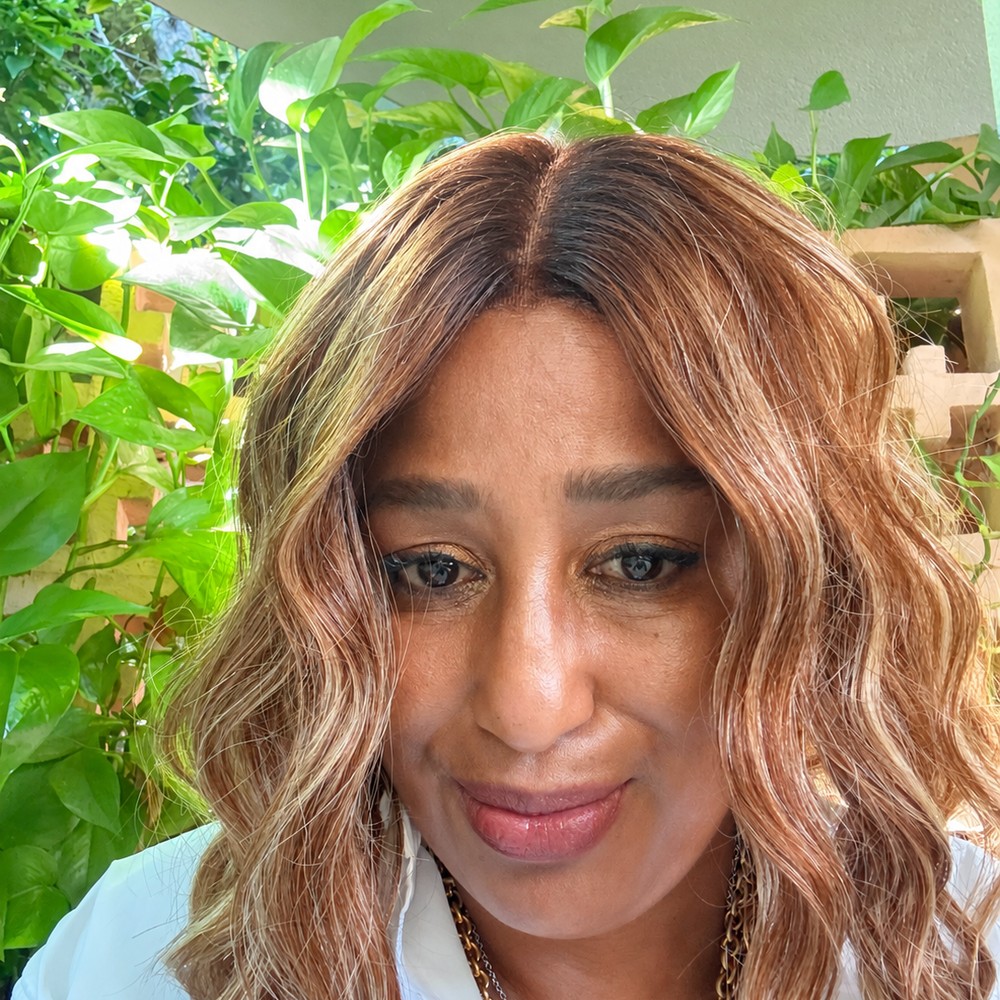
Creator | Host | Co-Executive Producer
Elle Schwartz is a behavioral analyst, writer, and the creator, host, and executive producer of The Good Edit Unfiltered, an award winning podcast that brings context to reality television. Born in Compton, California, she holds five degrees from private institutions, including the University of Southern California, and draws on her background in behavioral science to examine how production edits shape the stories audiences see on screen.
Launched in February 2026, The Good Edit Unfiltered covers The Real Housewives franchises, Vanderpump Rules, Summer House, The Valley, and Married at First Sight.
The show is produced under Layered Media Inc. and Rude Mood Media, with Schwartz serving as executive producer alongside Ric Swartzlander. Its signature series, the Reality TV Cultural Reckoning, and its Grammar of Conflict framework explore how race, culture, and casting influence the way reality stars are portrayed.
In its first year, the podcast won three 2026 Black Podcasting Awards (Best Producer, Best Daily Podcast, and Original Music) and multiple 2026 Davey Awards, including Gold for the Reality TV Cultural Reckoning series. It ranks number 1 all time in Indie Real Housewives on Goodpods.
Schwartz is a member of the Television Critics Association and a founding member and judge of the Open Podcast Awards. She is also a credited co writer on Kyla & the White Guy, a scripted comedy series optioned by Roku. She lives in Encino, California.
Short bio (for spots with tight character limits)
Elle Schwartz is a behavioral analyst, writer… Read More