The Psychology of the 'Motherhood Card': Deconstructing Reality TV Conflict
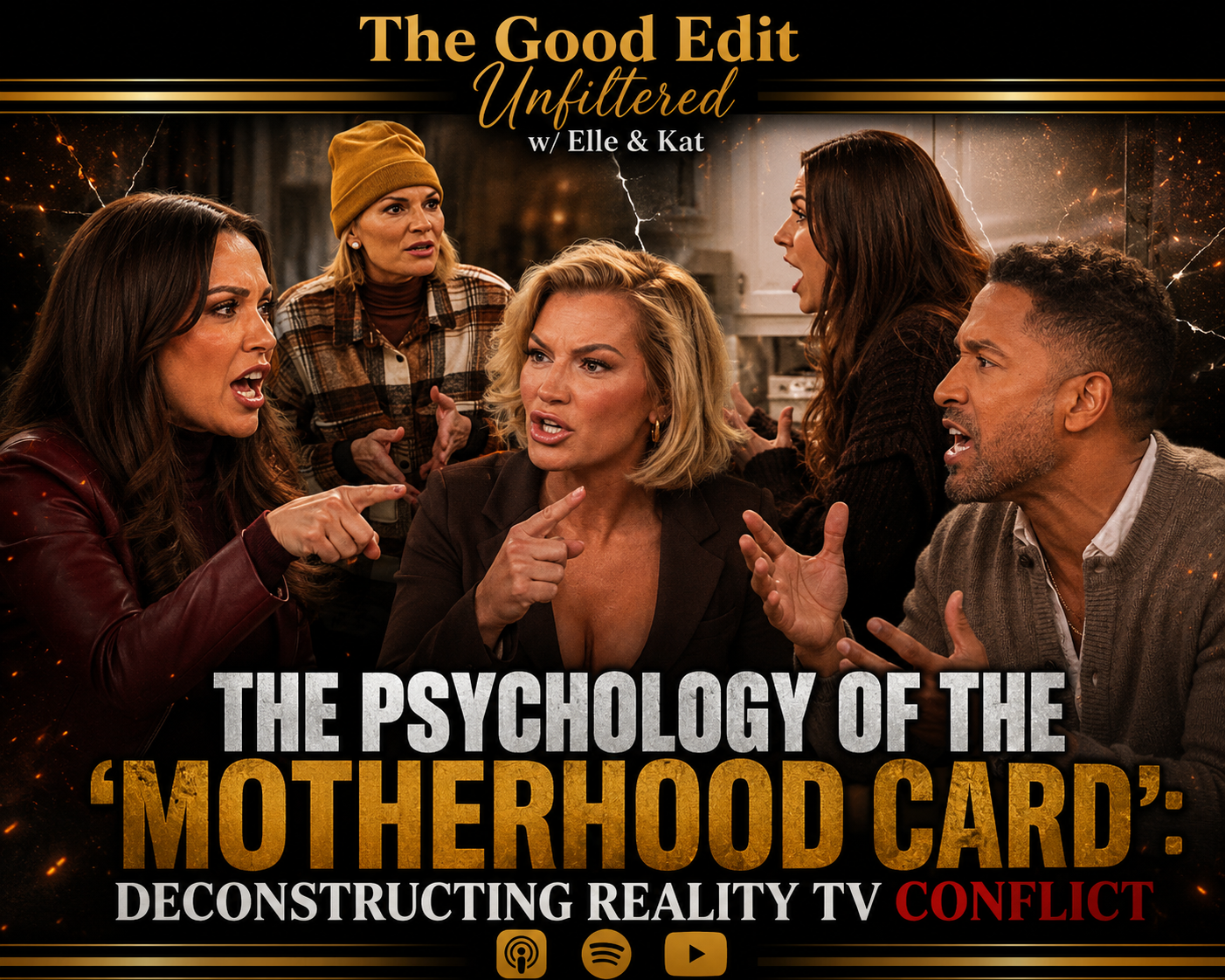
In reality television, the 'motherhood card' is often deployed as a moral trump card, but as we saw in the recent Bravo finale, it frequently triggers intense interpersonal conflict. This post examines the psychological underpinnings of why invoking motherhood as a strategic defense mechanism often backfires, creating social alienation rather than empathy, and how cast members use these dynamics to shift power in group settings.
Key Takeaways
- The 'motherhood card' functions as a moral shield that, when overused, can be perceived as an attempt to stifle valid criticism.
- Context matters: Differentiating between personal struggles and weaponizing motherhood determines how the audience and cast perceive the intent.
- Interpersonal conflict in high-stakes reality TV is often less about the specific issue and more about the power dynamic of who is allowed to claim victimhood.
- When a participant claims they can 'invoke motherhood whenever they like' while forbidding others from naming that behavior, they create a logical paradox that inevitably escalates tension.
The Paradox of Protection
The most fascinating element of the recent Bravo drama was the specific attempt by cast members to curate the terms under which they could be challenged. By labeling the mention of their status as mothers as a 'card,' the opposing side was essentially trying to level the playing field. However, the response—that one party can use the frame of motherhood for their own defense while simultaneously forbidding anyone else from identifying that usage—is a classic case of cognitive dissonance.
From a behavioral standpoint, this is a power play. When a person claims that their status as a mother is an unassailable moral position, they are effectively silencing their peers. If you disagree with a mother in a social setting, you run the risk of being labeled as 'anti-woman' or 'cruel.' The friction seen on screen was not really about the nannies or the individual parenting styles; it was about the refusal to allow others to narrate the participants' own behaviors.
Navigating Public Backlash and Identity
Beyond the immediate group conflict, the fallout of these reality TV moments highlights the heavy toll of public discourse. When personal choices—like how one balances professional obligations with motherhood—become part of a televised narrative, the audience often fills in the blanks with their own biases. This can lead to intense public backlash, as seen with the cast members reflecting on their own experiences with isolation and fear.
In this digital age, the audience doesn't just watch the show; they participate in the 'litigation' of the events. This environment forces participants to double down on their positions, even when a more vulnerable, nuanced approach might have been more effective for their personal growth. The cycle of defensiveness—where a comment is made, it is interpreted as an attack, and then a counter-attack is launched—is exactly what keeps these shows running, but it rarely produces the healthy conflict resolution we saw elsewhere in the episode.
Lessons in Conflict Resolution
Interestingly, the episode provided a masterclass in what happens when ego is removed from the equation. The reconciliation between the men in the group showed that conflict doesn't have to be a permanent fracture. They managed to address a season's worth of grievances without resorting to character assassination. This stands in stark contrast to the 'motherhood card' debate, which remained unresolved precisely because both sides were fighting to protect their own perceived victimhood rather than seeking to understand the other's perspective.
Conclusion
Understanding these dynamics is crucial for any fan who wants to look past the surface-level drama and into the psychological motivations of their favorite reality stars. The way we debate these moments on social media reflects our own values, but it also misses the nuance of the edit itself. For a complete analysis of these power plays and the specific fallout of the season finale, Listen to the full episode. Join us as we break down the editing choices and behavioral patterns that defined this season's most controversial moments.
Frequently Asked Questions
Why does the 'motherhood card' cause so much conflict in group dynamics?
It creates an asymmetric power dynamic where one person uses their status as a parent to shield themselves from criticism, which others may view as a disingenuous attempt to win an argument.
How does an editing team influence our perception of these arguments?
Editors often highlight the moments where someone invokes their status as a victim or a parent, framing it as either a genuine plea or a tactical maneuver, which directly shapes how the audience reacts to the participant.
Can a reality TV conflict ever reach a healthy resolution?
Yes, as seen with the male cast members in the finale, healthy resolution is possible when parties prioritize the relationship over the need to be 'right' or to win the argument.