Why Reality TV Social Media Rants Destroy Authentic Relationships
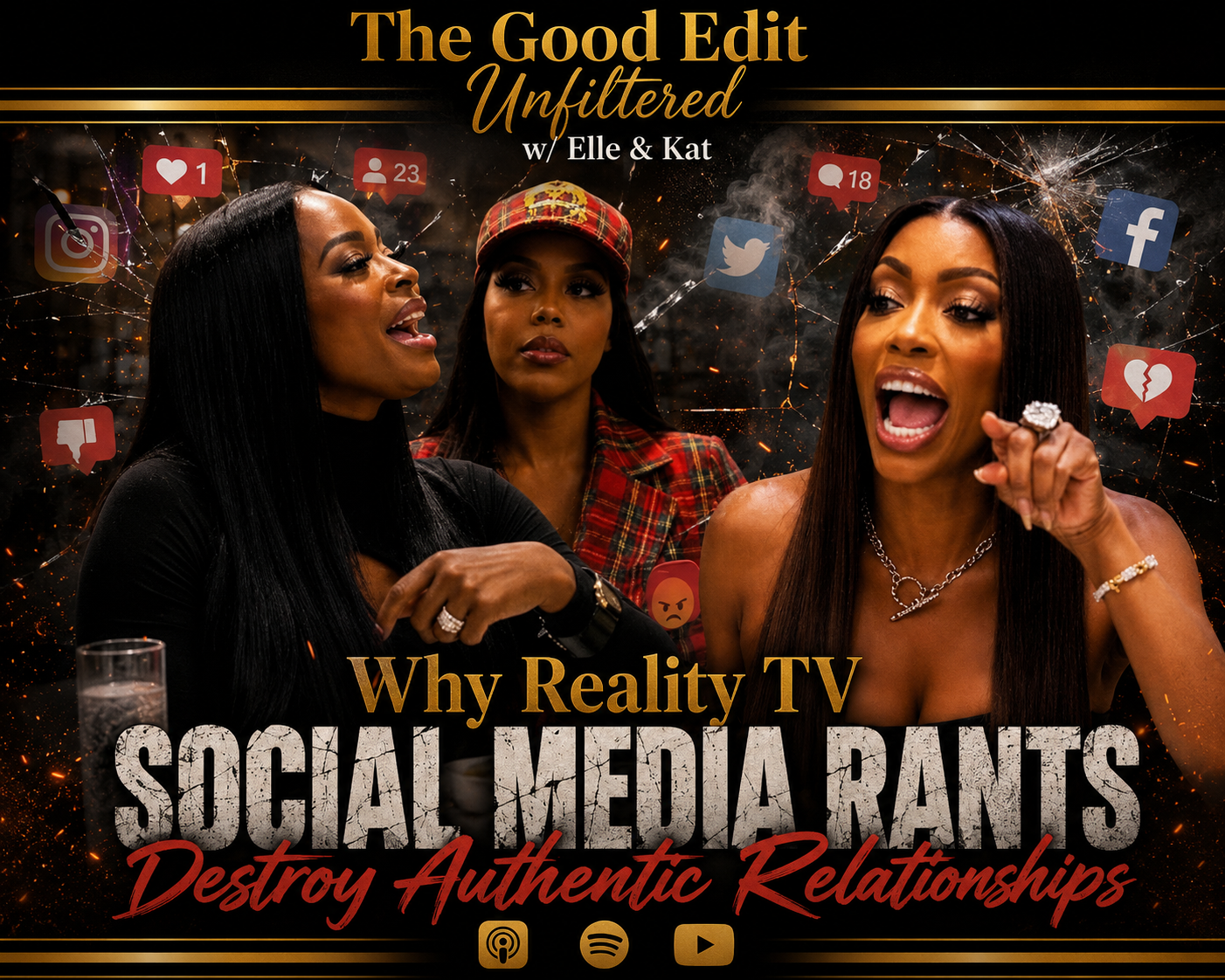
When family members and romantic partners take to social media to lash out on behalf of a reality TV contestant, the long-term impact on personal relationships is often catastrophic. Understanding the psychological toll of these public tirades reveals how performative loyalty actually undermines the very personal bonds it claims to protect, creating a cycle of toxicity that producers exploit for engagement.
Key Takeaways
- Public social media rants act as a form of proxy-aggression that permanently damages the contestant's off-screen credibility.
- Producers actively encourage high-stakes social media conflict because it bridges the gap between on-air narratives and audience participation.
- Family interference in dating shows like Love Island often stems from misaligned incentives between personal privacy and public fame.
- The difference between 'organic' defense and 'manufactured' outrage is usually visible in the timing and volume of the social media engagement.
- Contestants lose their ability to control their own narrative once family members weaponize private history for public consumption.
The Anatomy of a Social Media Meltdown
In the digital age, reality television is no longer contained within the 60-minute airtime slot. It lives in the comments section, the Instagram Stories of family members, and the viral threads on X (formerly Twitter). When a contestant finds themselves in the middle of a storyline—whether it is a betrayal on Love Island or a feud on The Real Housewives—the immediate reaction from their support system is often to jump into the fray. While this may look like love from the outside, it is effectively a tactical failure.
By inserting themselves into the narrative, family members often force the producers' hands. They turn a contained interpersonal conflict into a public spectacle. This provides the production team with even more content to cut into the next episode, ensuring the drama persists long after the cameras have stopped rolling. It is a feedback loop: the show generates the conflict, the family reacts online, the audience engages with that reaction, and the show then uses that audience engagement to justify further narrative manipulation.
Why Family Intervention Backfires
When a family member writes a long-form rant on social media defending a contestant, they rarely consider how that rant will be perceived by the other party's family or the general public. It transforms a personal disagreement into a branding war. This is particularly damaging in the context of dating shows, where the goal of the participant is to form a connection. If the contestant's mother or sibling is actively insulting their potential partner online, that relationship is effectively dead on arrival. It creates an environment where the contestant must choose between their family and their potential partner—a classic reality TV trope that producers manipulate to manufacture heartbreak.
The Producer’s Hand in Public Outrage
We often assume that social media drama is organic, but seasoned reality TV analysts have observed that producers play a significant role in fueling these fires. Through 'prodding' interviews or behind-the-scenes nudges, contestants are often encouraged to keep the conversation going online. If a storyline is losing momentum, a producer might highlight a negative comment from a fan or a rival's family member, subtly goading the cast member to 'set the record straight' on social media.
This is where the distinction between 'real' and 'edited' life becomes impossible to define. Once a contestant or their family enters the social media arena, they are effectively performing for the show’s demographic. They are feeding the beast that is currently controlling their reputation. The most successful contestants are those who realize that silence is a professional tool. When you refuse to participate in the social media war, you starve the production team of the fuel they need to keep the drama escalating.
Protecting Your Reputation Beyond the Screen
The long-tail impact of these outbursts is often ignored in the heat of the moment. We have seen countless instances where a contestant's family member destroys their future prospects by being the loudest voice in the room. In the world of reality TV, your digital footprint is your resume. When an audience associates a contestant with volatile, reactive, or abusive behavior—even if that behavior is coming from their circle rather than themselves—it is almost impossible to shake that label.
True support for a reality star looks like helping them navigate the transition back to civilian life, not fighting their battles on Instagram. Navigating the pressures of reality TV requires a strong boundary between the person you are on set and the person you are in your private life. If the people closest to you cannot honor that boundary, they aren't protecting you; they are jeopardizing your character development and your long-term success in the industry.
Conclusion
Understanding the difference between authentic communication and performative social media rage is essential for any fan of the genre. Reality television thrives when we stop looking at the contestants as real people and start looking at them as characters in a broader psychological game. To get the full picture of how these narratives are constructed, including expert commentary on recent show controversies, you can Listen to the full episode. Join us as we unpack the strategies that shape your favorite shows and help you identify the puppet strings behind the most explosive moments.
Frequently Asked Questions
Is social media drama part of a reality TV contract?
While explicit clauses may vary, most reality shows heavily encourage cast members and their inner circles to drive engagement on social media during the airing of a season to keep ratings high.
How do producers encourage social media fights?
Producers often share audience feedback or 'tease' what other cast members are saying about a contestant to specific participants, waiting for them to react publicly so it can be captured or referenced in future episodes.
Can social media toxicity affect re-casting?
Yes, networks often monitor the public perception of a cast member. If a contestant or their family is deemed too toxic or difficult to manage, the network may avoid bringing them back for spin-offs or future seasons.
What is the best way for a reality star to handle drama?
The most effective strategy is the 'no comment' approach. By staying offline and allowing the show to speak for itself, contestants maintain control over their narrative and avoid feeding the production's need for artificial conflict.