Why Reality TV Breakouts Struggle With Narrative Control Post-Villa
Reality TV breakout stars often face a steep learning curve when transitioning from controlled production environments to the public eye. Understanding the power dynamics of narrative control reveals how figures like Tierra 'Titi' Davis navigate the shift from viral social media moments to permanent public branding, highlighting the inherent tensions between personal authenticity and calculated industry optics.
Key Takeaways
- Viral fame from reality series often precedes the star's ability to curate their own professional image.
- Production narratives frequently prioritize high-engagement edits over the subject's personal truth.
- Social media serves as both a powerful tool for brand building and a vulnerable space for public scrutiny.
- Digital dating experiments require a new level of media literacy for participants seeking long-term careers.
- Navigating the gap between a show's 'edit' and real-life reputation is the primary challenge for new talent.
The Illusion of Narrative Agency
When contestants enter a show like Love Island, they enter a vacuum where every interaction is curated, lit, and edited for maximum viewer engagement. For breakout stars like Titi Davis, the transition out of that space isn't just a return to normal life; it is a collision with a public that has already decided who they are. The 'edit' functions as a pre-written biography that the star must live up to or fight against.
Behavioral analysts suggest that this lack of agency is the single most significant factor in the post-show blues. When a network crafts a villain or hero arc, the participant is often the last to realize how they are being framed. By the time they have access to their social media platforms, the conversation is already in full swing, and the struggle to 'reclaim' one's story often feels like fighting a tidal wave with a spoon.
The Viral Trap
Viral moments are double-edged swords. A clip of a heated exchange or an emotional breakdown might guarantee a contestant millions of views, but it also anchors their public identity to a singular, context-free moment. We see this in the cycle of reality TV where producers select 'high-friction' content for promos. For the contestant, this is professional gold in terms of reach, but it often sacrifices the nuance of their actual personality, forcing them to become caricatures of their worst or most dramatic selves.
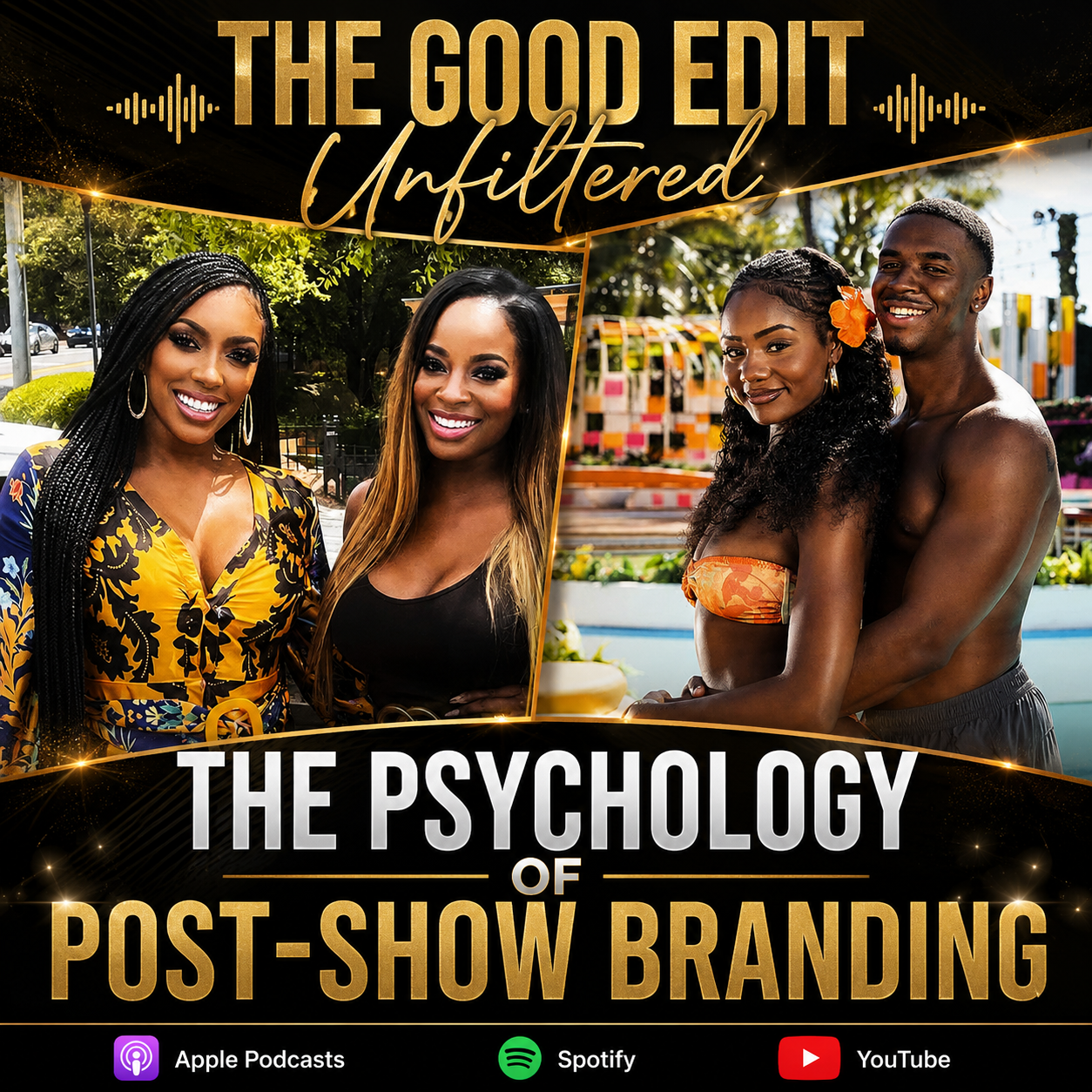
The Psychology of Post-Show Branding
Once the cameras stop rolling, the burden of narrative control falls entirely on the individual. This is where media literacy becomes a survival skill. Successful reality stars are those who treat their social media presence as a direct counter-narrative to the show's edit. By using platforms like TikTok or Instagram to show behind-the-scenes life, they attempt to re-humanize themselves for the audience.
However, the psychological cost is high. Keeping up the facade of the 'version' of yourself that the public expects requires constant labor. When a star attempts to step outside the bounds of their TV persona, the audience often rejects the shift as 'inauthentic.' It creates a paradoxical reality where the star is punished for being complex and rewarded for being one-dimensional.
The Authenticity Dilemma
The audience demands authenticity, but the industry demands compelling content. This is the core contradiction of the modern reality landscape. We want our stars to be 'real,' yet when they exhibit real-life flaws or unpolished communication styles, we tear them apart. Understanding this helps viewers recognize that the 'scandals' we consume are frequently products of a system designed to maximize emotional volatility.
Future-Proofing Reality Careers
For those looking to break out of the reality box, the path forward requires decoupling one's value from the edit. It means recognizing that the network's goal is a ratings bump, not the long-term success of the individual participant. Strategic branding for reality alumni now looks like pivoting toward areas where they have total creative control: podcasts, independent business ventures, or long-form storytelling that allows them to address the 'narrative gaps' left by production editors.
Ultimately, the power to define oneself in the digital age is reclaimed through the consistent release of information that proves the edit wrong. While you cannot change what was aired, you can change how you contextualize it. For fans, learning to ask 'who benefits from this edit?' is the key to viewing these reality shows with the necessary skepticism to protect oneself from being manipulated by the drama machine.
Conclusion
The stories we see on Bravo and across the reality spectrum serve as a mirror for our own complex relationships with fame, loyalty, and public image. By analyzing the production strategies that go into these narratives, we can shift from passive consumers to critical observers. To dig deeper into how these narratives are constructed and what it truly means for those in the spotlight, Listen to the full episode. We invite you to join the conversation and look behind the curtain with us.
Frequently Asked Questions
Why do reality stars lose control of their own narrative?
Contestants operate within a high-pressure production environment where producers and editors hold the final say on how footage is cut, framed, and presented to maximize engagement.
Can a contestant recover from a bad edit?
Yes, by utilizing personal social media platforms to provide context, showing depth beyond the 'villain' or 'hero' trope, and consistently demonstrating behaviors that contradict the edited narrative over time.
How does social media impact reality TV fame?
Social media allows stars to bypass network gatekeepers, giving them a direct line to the audience, though it also exposes them to instant, unfiltered, and often hostile public scrutiny.
What is media literacy in this context?
It is the ability to recognize how editing, music, and sound bites are used to influence audience perception and emotional response toward specific cast members.