Nostalgia Baiting: Why Legacy Housewives Revivals Actually Fail
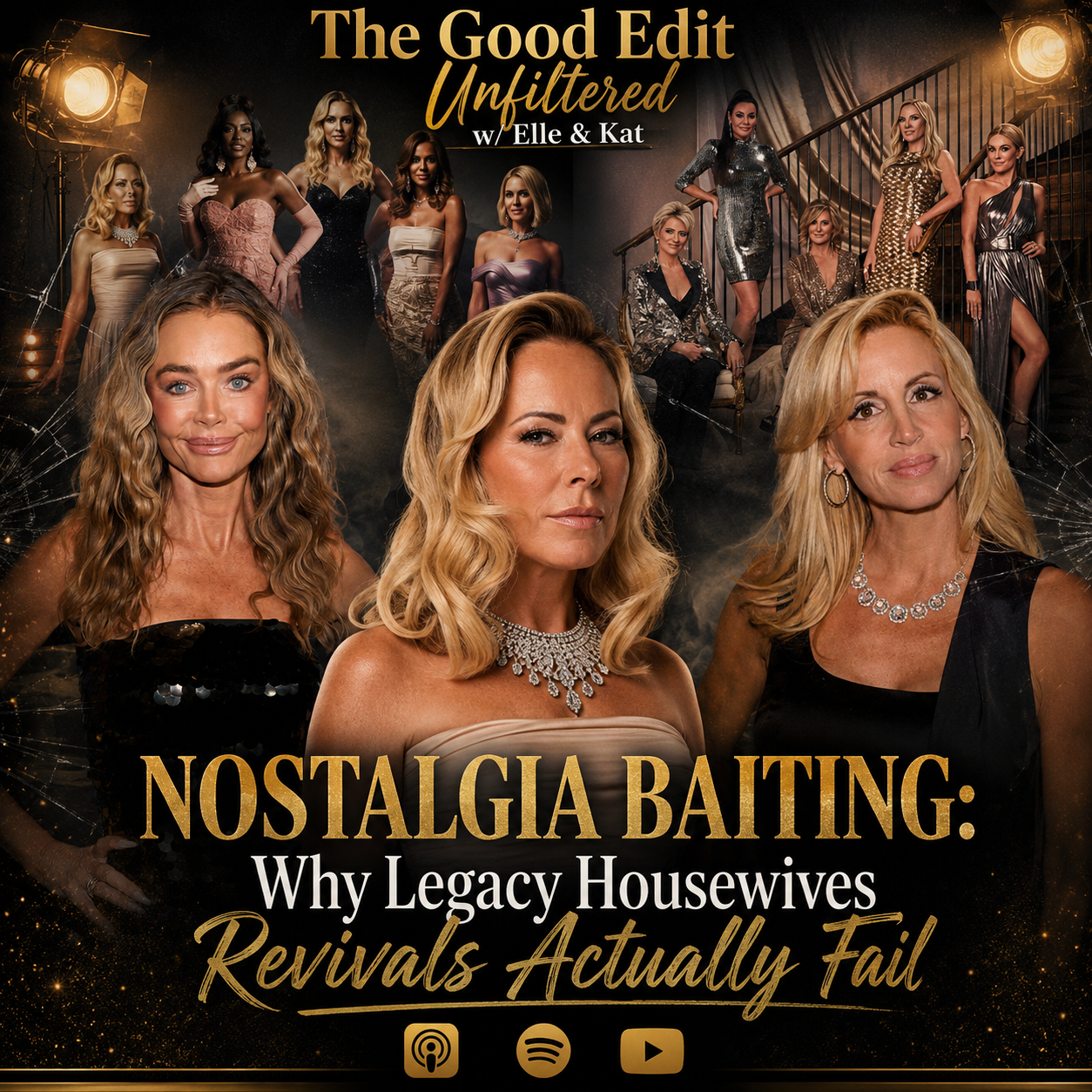
Reality television networks are increasingly betting on the power of nostalgia to save declining ratings, as seen with the return of RHONY legacy stars in new spin-offs like The Golden Life. This post analyzes why these production strategies prioritize brand recognition over authentic storytelling, often leading to a fragmented viewing experience that struggles to capture the lightning-in-a-bottle magic of the original seasons.
Key Takeaways
- Networks utilize nostalgia as a low-risk strategy to guarantee a baseline viewership for new content.
- The transition from ensemble cast dynamics to individual brand-led revivals often disrupts organic chemistry.
- Viewer fatigue is setting in as franchises recycle the same personalities rather than investing in new, unpredictable talent.
- Contextualizing the 'good old days' reveals that fans often remember the drama, not the heavy-handed production choices of the past.
The Nostalgia Trap: Packaging the Past
When networks like Bravo announce a return to familiar faces—such as the original cast members of The Real Housewives of New York City—the immediate reaction is often joy among the fanbase. However, as behavioral analysis suggests, this is a calculated production strategy designed to mitigate the risks associated with introducing new talent. By leaning on the emotional connection viewers already have with legacy stars, production teams can effectively bypass the 'getting to know you' phase of a new show.
But does this strategy actually deliver high-quality television? Frequently, the answer is no. Nostalgia baiting functions by promising a return to a specific era, yet that era was defined by time and place. Trying to force that same dynamic into a new environment, like a 'Golden Life' spin-off, often feels forced. It is the television equivalent of a band playing a greatest hits tour: the music is the same, but the energy has inevitably changed because the context has shifted.
The Production Gamble
Production companies are not just managing storylines; they are managing assets. When a legacy housewife is brought back, she comes with a pre-built brand, a ready-made social media presence, and a fanbase that will defend her regardless of the actual narrative quality. This makes casting 'safer' for producers, but it often kills the raw, unfiltered friction that made the original show work in the first place.
Why Organic Chemistry Cannot Be Scripted
The most successful seasons of reality television usually occur when cast members are genuinely interacting in a way that feels unburdened by their own public images. In the early days of reality TV, the stakes were lower—often just personal status or social standing within a specific circle. Today, these stars are acutely aware of their own brands. When you assemble a group of veterans for a revival, you are effectively assembling a group of professional brand managers rather than organic friends.
This is where the 'edit' becomes heavy-handed. If the chemistry is naturally stiff, production must work twice as hard to manufacture conflicts or highlight specific personality quirks to create the illusion of a 'Real Housewives' atmosphere. As discussed in our deep-dive analysis, the audience is becoming increasingly savvy to these maneuvers, leading to a disconnect between the show's intended emotional arc and how it is actually received by the audience.
The Cost of Constant Visibility
Another major factor in why revivals struggle is the transformation of the stars themselves. Between the original run and the current revival, these women have lived through public scandals, social media scrutiny, and the evolution of their personal lives. They are no longer the same people who first stepped in front of the cameras. By trying to fit them into the 'legacy' box, the show often ignores the reality of their current lives, creating a cognitive dissonance for the viewer who remembers them one way but sees them acting very differently today.
Ultimately, the appetite for nostalgia is bottomless, but the supply of quality, authentic, legacy-driven storytelling is finite. Networks must decide whether they want to continue chasing the ghosts of the past or invest in the messy, unpolished, and high-stakes potential of new, diverse casts who don't yet know how to 'perform' for the cameras.
The Final Verdict
Understanding the difference between a genuine evolution of a franchise and a transparent attempt to cash in on brand recognition is essential for any serious reality TV viewer. While we all love a callback to a classic fight or a signature tagline, a show cannot survive on references alone. To hear more about the behind-the-scenes mechanics that drive these casting decisions and why some revivals land while others crash, Listen to the full episode for the complete, unfiltered breakdown.
Frequently Asked Questions
Why do networks prefer legacy stars over new talent?
Legacy stars come with an existing, built-in audience, which reduces the marketing cost and risk associated with launching a new show. It is essentially a guaranteed baseline of viewership from day one.
Does nostalgia actually improve the quality of a show?
Rarely. While it triggers a dopamine hit for longtime fans, it often leads to a static show that feels repetitive. True quality in reality television is usually found in the discovery phase of new cast dynamics.
What is the downside of bringing back reality-TV veterans?
Veterans often know how to play the game too well. They may self-produce or hold back parts of their real lives, which prevents the raw, authentic friction that creates great reality television.