RHOMelbourne's Strategic Casting: How Cultivating Authentic Personalities Built a Franchise
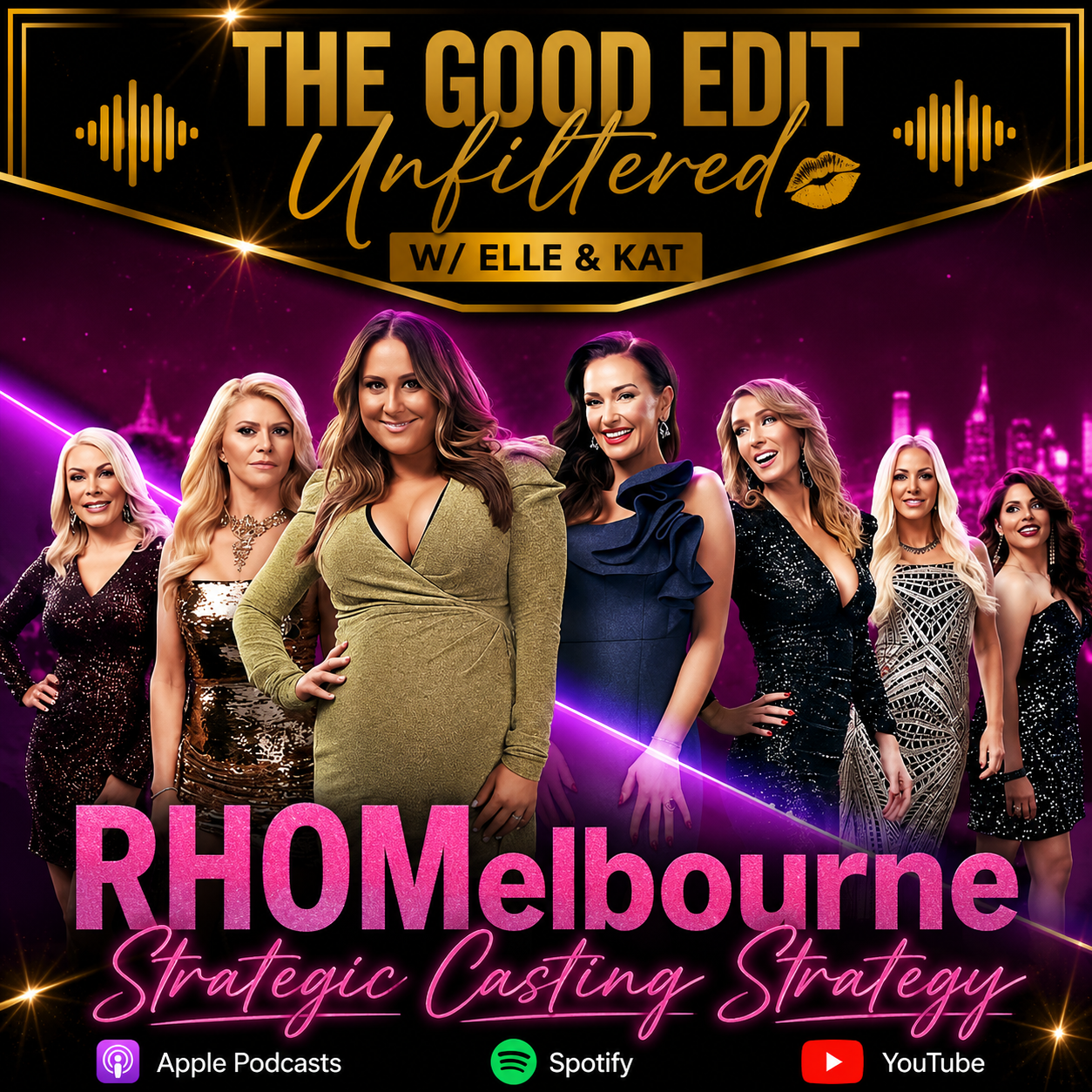
RHOMelbourne Strategic Casting Strategy | RHOMelbourne's early seasons exemplified a superior casting strategy by prioritizing genuine personalities over manufactured drama. This approach fostered authentic interactions and laid the groundwork for a franchise that resonated deeply with audiences, offering a masterclass in reality TV character development.
Key Takeaways
- RHOMelbourne's casting prioritized women with inherent charisma, intellect, and distinct life experiences, rather than those solely seeking conflict.
- The show's success hinged on cultivating authentic character dynamics, leading to organic storytelling and sustainable viewer engagement.
- Figures like Gina Liano were chosen for their sharp wit and intellectual presence, providing substance beyond manufactured arguments.
- A cohesive ensemble was built through casting well-defined personalities, ensuring interactions felt natural and relatable.
- RHOMelbourne's casting blueprint offers a valuable lesson for reality TV producers aiming for genuine audience connection through character depth.
- The franchise's longevity and critical acclaim are directly attributable to its foundational emphasis on authentic, multifaceted personalities.
The Power of Personality Casting Over Drama Creation
In the often chaotic world of reality television, the initial casting of a show like The Real Housewives is the bedrock upon which its entire narrative is built. While many American franchises have, over time, leaned into a formula prioritizing explosive arguments and readily manufactured conflict, The Real Housewives of Melbourne (RHOMelbourne) charted a distinct and arguably more successful course, particularly in its formative seasons. The hosts of The Good Edit Unfiltered podcast frequently highlight RHOMelbourne as a prime example of how a strategic casting approach, focused on identifying and cultivating genuinely interesting individuals with unique personalities, can result in a far more compelling and authentic viewing experience. This wasn't merely about assembling a cast with a high propensity for dramatic outbursts; it was about discovering women whose lives, perspectives, and natural interactions would organically generate captivating television.
The genius of RHOMelbourne's early casting strategy was its unwavering commitment to showcasing women who brought more to the table than just a willingness to engage in public spats. These were women who had established lives, diverse professions, and intricate social circles. The producers deliberately sought out individuals possessing natural wit, sharp intellect, and an innate capacity for engaging dialogue. This approach cultivated a dynamic where conflict, when it inevitably arose, felt earned and organic. Such disputes stemmed from genuine personality clashes, differing viewpoints, or fundamental disagreements, rather than being a manufactured necessity to fill airtime or adhere to a predetermined dramatic arc. This profound focus on inherent character depth allowed storylines to unfold naturally, creating a richer tapestry of human interaction that resonated more deeply with viewers and established a loyal, engaged fanbase.
Beyond the Script: Finding Characters with Substance
A crucial element of RHOMelbourne's successful casting was the selection of individuals whose inherent qualities provided more than just potential for conflict. Consider the iconic Gina Liano. Her casting wasn't predicated on her ability to scream or throw a drink; it was her formidable presence, her razor-sharp wit honed by her legal career, and her articulate, often deadpan, delivery that made her a standout. She brought a level of intellectual engagement to discussions and confrontations that elevated the show beyond typical reality TV fare. Her pronouncements were often laced with dry humor and astute observations, making her interactions with other cast members compelling television that offered insight into character and social dynamics. This demonstrated a sophisticated understanding by the production team: that viewers crave substance, not just spectacle. By casting women like Gina, who possessed intelligence and a unique perspective, RHOMelbourne created a platform where complex personalities could shine, driving narratives through nuanced interactions and witty repartee, rather than relying on contrived drama.
This deliberate strategy of seeking out multifaceted personalities ensured that the ensemble cast of RHOMelbourne felt cohesive and believable. Unlike some American counterparts where cast members can feel like interchangeable parts designed solely to generate conflict, the women of Melbourne often felt like a genuine, albeit dramatic, social group. Their interactions, whether friendly or fraught, stemmed from their established personalities and pre-existing relationships, or the organic development of new ones. This created a strong foundation for the show, allowing for sustainable storytelling across multiple seasons. When the show eventually faced challenges with casting continuity, the impact was magnified because the initial success had been so tightly bound to the strength and authenticity of its core personalities. The careful curation of these distinct characters provided the show with an authentic heartbeat, making its narrative arcs feel earned and its emotional stakes genuine.
The Blueprint for Authentic Reality Television
The success of RHOMelbourne's casting strategy offers a clear blueprint for other reality television producers aiming to create programming that resonates authentically with audiences. The lesson is simple yet profound: prioritize personality over manufactured drama. By investing in casting individuals with rich backstories, unique perspectives, and the inherent ability to engage thoughtfully (and sometimes combatively) with others, producers can cultivate more compelling and sustainable narratives. This approach moves beyond the transient appeal of shock value and instead builds upon the enduring fascination with genuine human connection and complex character dynamics. The Australian franchise proved that a show doesn't need constant, over-the-top conflict to be successful. Instead, it can thrive on the intricate interplay of well-developed characters whose intelligence, wit, and authentic reactions drive the storytelling.
Furthermore, this emphasis on authentic personalities contributes to a more sophisticated form of reality television. It challenges the notion that reality TV must be synonymous with superficial drama. RHOMelbourne demonstrated that by focusing on the substance of its cast members – their careers, their relationships, their intellect, and their individual quirks – the show could achieve a level of critical acclaim and dedicated viewership that often eludes franchises relying solely on manufactured conflict. This meticulous approach to casting not only enriched the viewing experience but also solidified RHOMelbourne's status as a benchmark for what well-executed, character-driven reality television can achieve. The impact of this strategic casting is undeniable, influencing how audiences perceive and engage with the reality genre as a whole and providing valuable insights into the art of creating captivating television.
For a deeper dive into how casting and editing shape reality TV narratives, listen to the latest episode of The Good Edit Unfiltered: RHOMelbourne vs. American Housewives | Hot Takes Franchise Deep Dives Love Island Gossip.
Frequently Asked Questions
-
What made RHOMelbourne's casting strategy unique compared to American Housewives franchises?
RHOMelbourne's strategy focused on casting women with established lives, distinct personalities, and inherent wit, rather than those primarily seeking conflict. This led to more organic and substantial storytelling.
-
How did casting distinct personalities contribute to RHOMelbourne's success?
By casting individuals with substance, like Gina Liano, the show generated compelling narratives through intelligent dialogue and earned conflict, rather than relying on manufactured drama. This created a more authentic and engaging viewing experience.
-
Can the RHOMelbourne casting approach be applied to other reality shows?
Yes, the emphasis on authentic personalities and natural interactions provides a valuable blueprint for other reality programs seeking to build genuine audience connection and sustainable storylines.
-
Why is character-driven storytelling more effective in the long run for reality TV?
Character-driven stories foster deeper audience engagement and loyalty because viewers connect with relatable personalities and complex human dynamics, which are more sustainable than fleeting, manufactured drama.

Creator | Host | Co-Executive Producer
Kat Vasseghi is a Bravo Commentator and the co-creator and co-host of The Good Edit w/ Elle & Kat, a culture-forward podcast where reality TV meets psychology, sociology, and sharp analysis. Previously known for her brand BravoRecs, Kat brings years of fluency in the Bravo universe its personalities, storylines, and fandoms paired with quick wit and a fan's instinct for the moments that matter. As a Bravo Commentator, she turns each recap into something sharper and more revealing than the average reaction show.
Known for her humor and culturally fluent takes, Kat reads the Bravo universe through the lens of the fans who live in it, catching the shifts and subtext other recaps miss. Alongside co-host Elle Schwartz, she co-created The Good Edit w/ Elle & Kat, blending cultural fluency, sharp humor, and elevated Bravo commentary into one of the most refreshing new voices in the reality TV podcast space.