Navigating Loyalty: Decoding Summer House's Cultural Dynamics Beyond Friendship
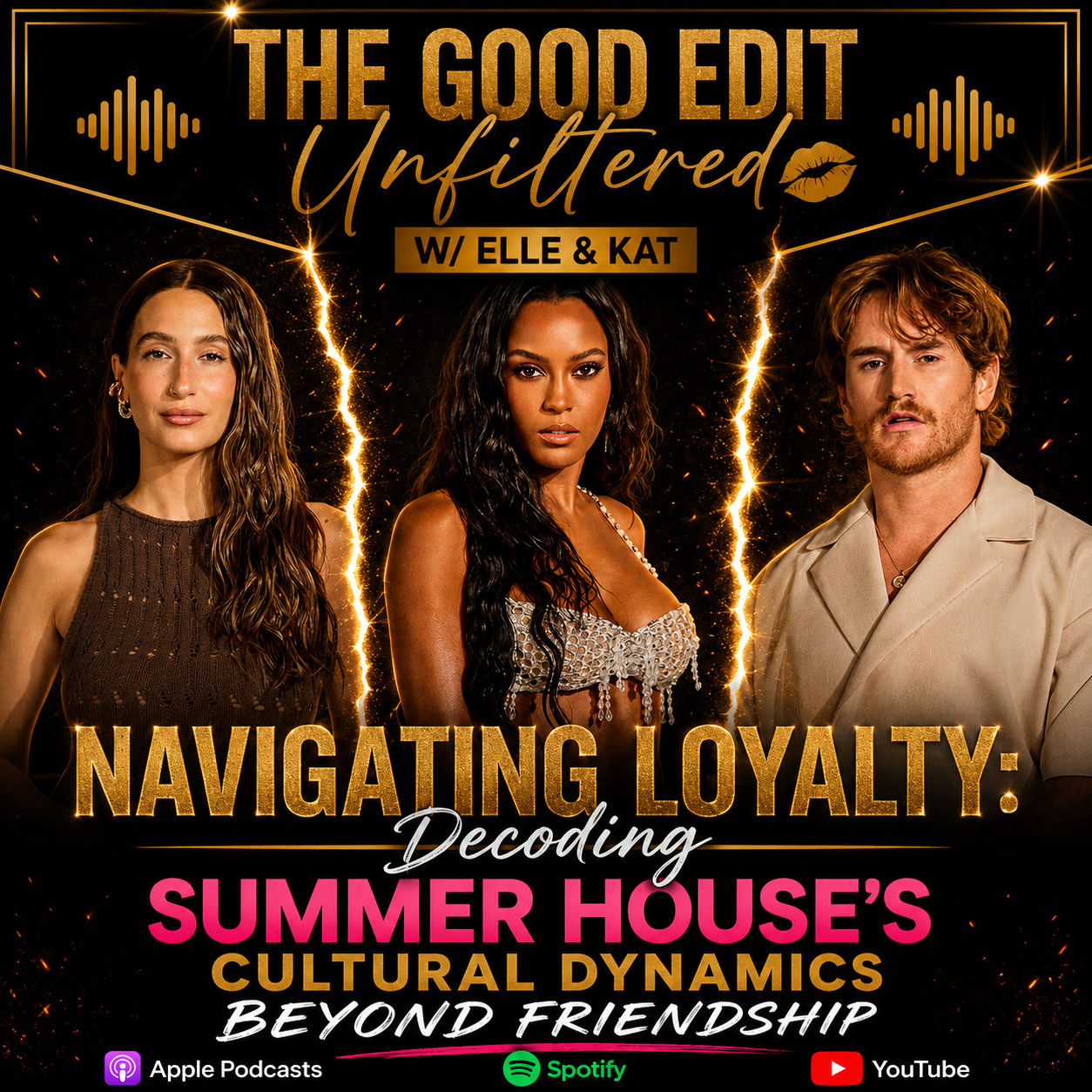
Summerhouse cultural dynamics | Explore the subtle yet powerful influence of cultural norms and community values on loyalty and betrayal in reality TV. This post delves into how differing perspectives on friendship and commitment, particularly highlighted in the Summer House reunion, can lead to profound misunderstandings and hurt, offering insights beyond a surface-level analysis of cast alliances.
Key Takeaways
- Reality TV drama is often amplified by the clash of different cultural expectations regarding loyalty and friendship.
- Black community values often emphasize deep-rooted loyalty and communal support, contrasting with more individualized or transactional Westernized views.
- Misunderstandings of these cultural nuances can lead to heightened emotional responses and feelings of betrayal that are difficult to reconcile.
- Analyzing these underlying cultural dynamics provides a deeper understanding of cast interactions and conflicts.
- Recognizing these differences can help viewers appreciate the complexities of interpersonal relationships, both on and off-screen.
Cultural Frameworks and Loyalty on Summer House
The recent Summer House reunion has ignited conversations not just about the surface-level drama but about the deeper currents that shape the cast's interactions. While the betrayal between friends is a recurring theme in reality television, the Summer House situation, particularly concerning Ciara and Amanda, brought into sharp relief how differing cultural frameworks can profoundly influence perceptions of loyalty, friendship, and emotional responses. It’s not just about who did what to whom, but *why* certain actions are perceived as deeply hurtful or understandable, depending on one's cultural lens.
The podcast episode, "Ciara Amanda West Showdown | Summer House Reunion Recap," unpacks this complexity by highlighting the contrast between Black community values and Westernized transactional cues. These are not just abstract sociological concepts; they manifest in real-time emotional reactions and decisions made under the pressure of cameras and interpersonal conflict. For Ciara, a Black woman, navigating these dynamics meant grappling with expectations of loyalty that are deeply ingrained in her cultural upbringing. These values often prioritize communal support, unwavering solidarity, and a sense of collective responsibility that can feel fundamentally different from more individualistic or perceived as more conditional, Westernized approaches to relationships.
Understanding Black Community Values in Friendship
In many Black communities, friendship and loyalty are not merely about shared experiences or good times. They are often viewed through a lens of chosen family, extended kin, and a deep-seated obligation to uplift and protect one another. This can translate into an expectation of fierce, unconditional support, especially when facing external pressures or adversity. The idea of "standing ten toes down" for someone is not just a catchphrase; it’s a cultural imperative that signifies unwavering support and protection, even at personal cost. When this expectation is not met, the sense of betrayal can be profound, feeling like a violation of a sacred bond.
This perspective often emphasizes empathy, understanding, and a willingness to overlook minor transgressions in favor of maintaining the strength of the collective. It’s about recognizing shared struggles and understanding that individual actions can have ripple effects on the entire community. This deep sense of interconnectedness means that perceived disloyalty can feel like a betrayal not just of an individual but of the broader values and support systems that one relies upon.
Westernized Transactional Cues and Their Impact
Conversely, what might be termed "Westernized transactional cues" in relationships can sometimes lean towards a more quid pro quo or situational understanding of loyalty. This doesn't inherently make these relationships less valuable, but it can mean that expectations are different. Loyalty might be more contingent on mutual benefit, reciprocity, or the absence of immediate personal conflict of interest. In this framework, friendships can be more fluid, with individuals prioritizing their own immediate needs, comfort, or social standing when faced with difficult choices.
This can manifest as a tendency to align with the perceived prevailing winds, to avoid rocking the boat, or to prioritize self-preservation over defending a friend when it might create personal discomfort or negative repercussions. The podcast’s analysis touches upon how this can lead to situations where one person feels abandoned or betrayed, while the other believes they were simply acting pragmatically or within the established boundaries of their particular dynamic. The "receipts" and "takedowns" at the reunion are often the fallout from these differing expectations meeting head-on.
Ciara's Experience and White Fragility
The episode particularly highlights how Ciara, as a Black woman, experienced the reunion dynamics through the prism of racial undertones and what is often referred to as white fragility. When cultural expectations clash, and one party is not equipped or willing to engage with the complexities of another’s lived experience, it can lead to a breakdown in understanding. White fragility describes the discomfort and defensiveness that white people may experience when confronted with racialized issues or when their privilege is challenged. In the context of the Summer House reunion, this could mean a dismissal or minimization of Ciara's feelings of betrayal, an inability to grasp the depth of her hurt, or a reframing of the situation that centers the comfort of the majority group over the experience of the marginalized.
The podcast suggests that Ciara's heightened emotional response, which might be viewed as an overreaction by someone operating under a different cultural framework, is, in fact, a reflection of deeply held values and the pain of experiencing a betrayal that cuts across multiple dimensions of her identity—friendship, loyalty, and racial experience. The "heartbreak" she experienced is amplified because it is not just a personal slight but a potential symptom of systemic issues and cultural misunderstandings that have long-lasting impacts.
Analyzing Amanda and West's Motivations Through a Cultural Lens
The questions surrounding Amanda and West's relationship and potential betrayal are central to the reunion's drama. Were their actions motivated by jealousy, personal identity struggles, or a genuine misunderstanding of the commitments and expectations within their friend group? Viewing these motivations through a cultural lens offers a richer, more nuanced perspective than a simple "who's right, who's wrong" narrative.
If Amanda operated more within a Westernized transactional framework, her actions might be seen as prioritizing her own immediate situation or perceived needs. This doesn't excuse hurtful behavior, but it provides context for why she might not have anticipated the depth of Ciara's reaction or felt the same level of obligation. Conversely, if West was also operating from a similar framework, their actions would be further explained. However, the episode prompts listeners to consider if cultural norms played a role in their decisions, or if other personal factors were at play. The "receipts" and "alliances" discussed are often the evidence people cling to when trying to make sense of these complex interpersonal dynamics, but understanding the underlying cultural expectations can provide a more profound explanation for the *why* behind the drama.
Beyond the Reunion: Lessons for Reality TV Viewers
The Summer House reunion, as dissected on The Good Edit Unfiltered podcast, serves as a microcosm of broader societal issues. It underscores the importance of recognizing and respecting diverse cultural perspectives, especially in interpersonal relationships. For viewers, this means looking beyond the manufactured drama and the edited narratives to consider the human elements at play—the deeply ingrained values, the emotional responses, and the potential for misunderstanding when different worldviews collide.
By offering insights into Black female resilience and cultural identity, the podcast empowers listeners to not only understand the events on screen but also to apply these lessons to their own lives. It encourages a critical look at how we define friendship, loyalty, and trust, and how our own cultural backgrounds shape these definitions. Distinguishing a true friend from someone driven by fame or personal gain becomes clearer when we appreciate the diverse ways people express commitment and navigate social landscapes. This level of analysis transforms passive viewing into an active, insightful engagement with the realities of human connection, both within the fabricated world of reality TV and in our own lives.
Ultimately, the Summer House reunion drama, when examined through the lens of cultural nuances and differing loyalty frameworks, becomes more than just a scandalous episode. It becomes a powerful case study in human behavior and the complexities of relationships. It highlights how our backgrounds shape our expectations and reactions, and how a lack of understanding can lead to profound hurt. For those seeking a deeper comprehension of reality TV's most compelling narratives, understanding these cultural underpinnings is essential. It’s about seeing the humanity, and the cultural truths, behind the drama.
Listen to the full episode for a complete breakdown of the Summer House reunion and a deeper dive into these critical conversations.
Frequently Asked Questions
How do cultural norms affect perceptions of betrayal?
Cultural norms deeply influence what is considered acceptable behavior within friendships and social groups. For instance, cultures that emphasize strong communal bonds and unwavering loyalty might perceive actions that a more individualistic culture views as pragmatic or self-preserving as profound betrayals. This difference in expectation directly shapes how betrayal is understood and experienced.
What are Black community values regarding loyalty?
In many Black communities, loyalty is often characterized by a deep sense of chosen family, mutual support, and a commitment to protecting one another, especially against external pressures. This can translate to an expectation of unconditional solidarity and a strong sense of obligation within friendships, sometimes referred to as "standing ten toes down."
Can different views on loyalty lead to conflict on reality TV?
Absolutely. Reality TV often brings together individuals from diverse backgrounds with varying expectations of loyalty and friendship. When these differing viewpoints collide under pressure, especially on camera, it can escalate into significant conflict, misunderstandings, and perceived betrayals that drive much of the show's drama.
How does understanding cultural differences enhance reality TV analysis?
Recognizing cultural differences allows for a more nuanced and insightful analysis of reality TV. Instead of just focusing on surface-level arguments or alliances, viewers can appreciate the underlying motivations, emotional responses, and interpersonal dynamics that are shaped by cultural backgrounds. This deeper understanding enriches the viewing experience and provides context for the cast's actions.
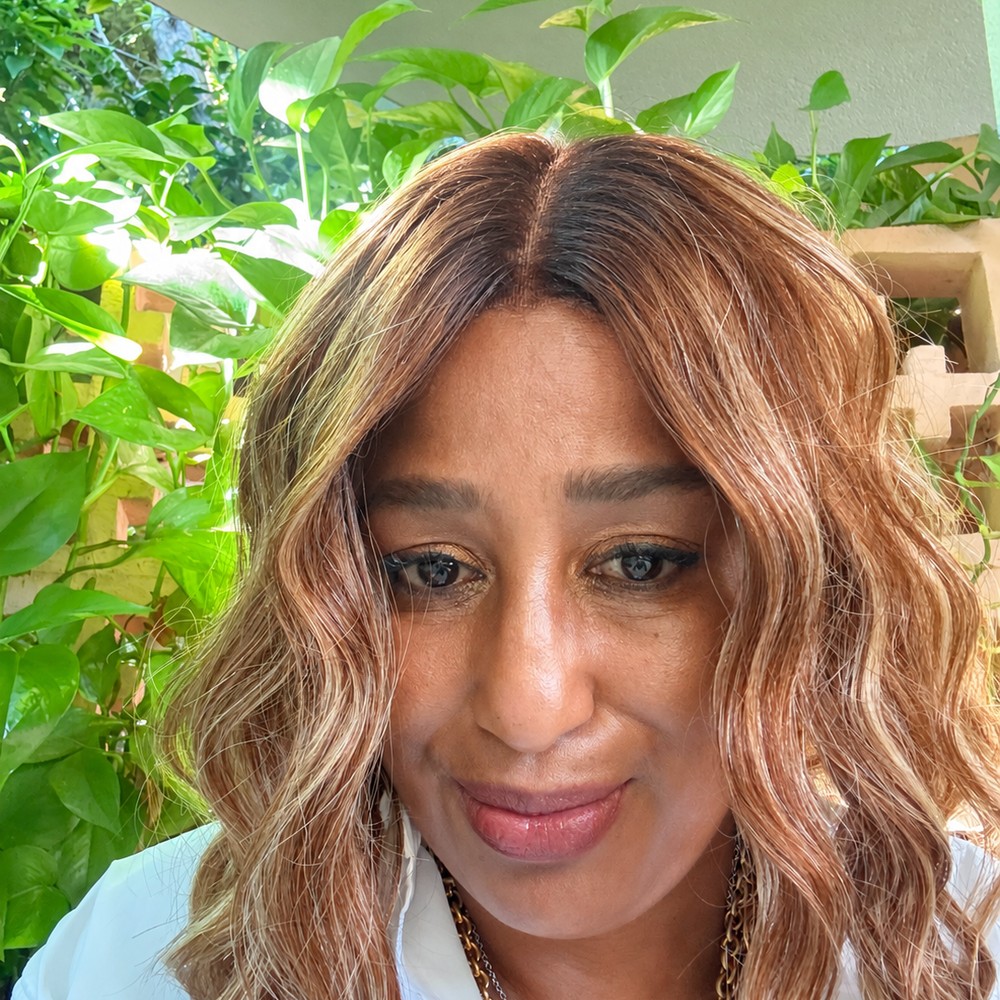
Creator | Host | Co-Executive Producer
Elle Schwartz is a behavioral analyst, writer, and the creator, host, and executive producer of The Good Edit Unfiltered, an award winning podcast that brings context to reality television. Born in Compton, California, she holds five degrees from private institutions, including the University of Southern California, and draws on her background in behavioral science to examine how production edits shape the stories audiences see on screen.
Launched in February 2026, The Good Edit Unfiltered covers The Real Housewives franchises, Vanderpump Rules, Summer House, The Valley, and Married at First Sight.
The show is produced under Layered Media Inc. and Rude Mood Media, with Schwartz serving as executive producer alongside Ric Swartzlander. Its signature series, the Reality TV Cultural Reckoning, and its Grammar of Conflict framework explore how race, culture, and casting influence the way reality stars are portrayed.
In its first year, the podcast won three 2026 Black Podcasting Awards (Best Producer, Best Daily Podcast, and Original Music) and multiple 2026 Davey Awards, including Gold for the Reality TV Cultural Reckoning series. It ranks number 1 all time in Indie Real Housewives on Goodpods.
Schwartz is a member of the Television Critics Association and a founding member and judge of the Open Podcast Awards. She is also a credited co writer on Kyla & the White Guy, a scripted comedy series optioned by Roku. She lives in Encino, California.
Short bio (for spots with tight character limits)
Elle Schwartz is a behavioral analyst, writer… Read More