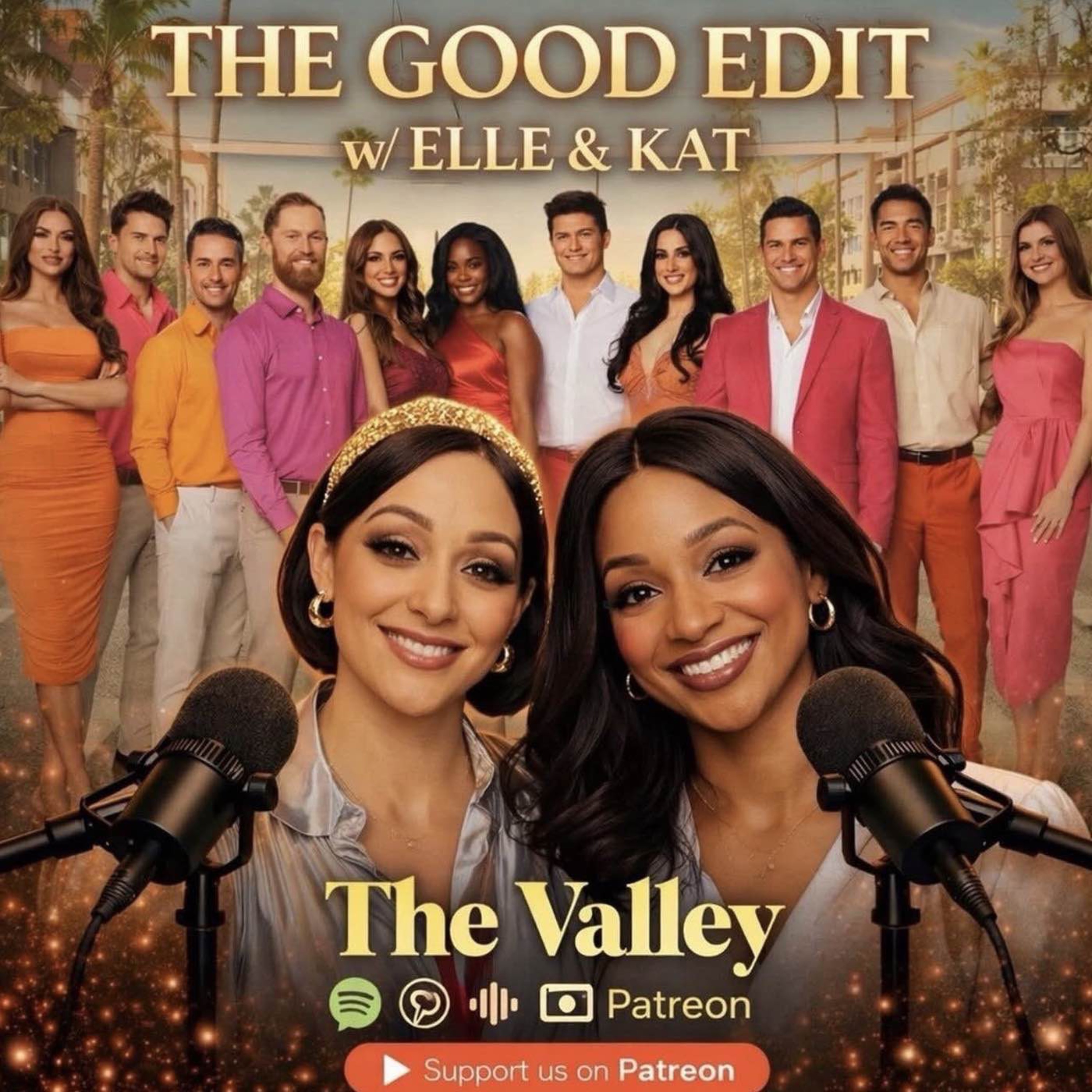
The Valley's Power Players: A Cast Dynamics Breakdown

The Valley Cast Commentary Welcome back to The Good Edit! In this episode, we're diving deep into the swirling vortex of drama that is "The Valley." If you've been following along, you know we love to peel back the layers of reality television, and "The Valley" offers a particularly rich tapestry of interpersonal dynamics, production influence, and the often-unseen art of narrative construction. Today's blog post expands on the themes we explored in our latest episode, "Bravo Show Recap Update | Bravo Show Commentary". We'll be dissecting the power players, the strategic choices made by production, and how the editing room shapes our perception of the cast. So grab your rosé, settle in, and let's unpack the intricate web of relationships in "The Valley."
The Premiere's Power Plays: Who's Up, Who's Down?
The premiere of any new reality show is crucial. It's the first impression, the foundation upon which the entire season's narrative will be built. For "The Valley," this was especially evident. From the outset, certain cast members were positioned as central figures, their storylines given more airtime and weight. We saw the immediate establishment of key relationships, simmering tensions, and alliances forming. It's no accident that the characters who drive conflict or embody aspirational lifestyles are often given the spotlight in the initial episodes. Think about the introductions: who is presented as the stable couple, who is the wildcard, and who is the outsider looking in? These initial portrayals are not organic; they are carefully curated to set up the season's central conflicts and character arcs. For instance, the portrayal of Jax and Brittany's relationship, often presented with a degree of marital strain and individual ambition, immediately signals a primary narrative thread. Simultaneously, newer cast members like Nia and Jesse are introduced, often with their own existing social circles and potential for disruption. The premiere acts as a blueprint, and understanding these initial power plays is key to deciphering the rest of the season.
We observed how the showrunners leaned into established realities of the cast members' lives. For some, this meant highlighting their professional endeavors and social standing within the Los Angeles scene. For others, it meant emphasizing their domestic lives and the challenges of parenthood. The premiere episode meticulously laid out these foundations, often using confessionals to explain character motivations and past histories. This early establishment of hierarchy and potential conflict is vital for viewer engagement. It tells us who to root for, who to question, and whose journey we'll be following most closely. The initial editing choices in the premiere can also signal who production deems most interesting, often giving them more dramatic confessionals or placing them at the center of the action. This isn't to say that those who aren't immediately spotlighted are unimportant, but rather that their storylines might be developed more slowly or serve as supporting arcs to the main players.
Production's Hand: How Choices Shape Perceptions
In the realm of reality television, production is not a passive observer; it is an active architect. Every decision, from casting to location scouting to the very questions asked during filming, influences the narrative. In "The Valley," we see production's influence in several key areas. Firstly, the selection of cast members themselves is a strategic move. The show brings together individuals with pre-existing relationships, potential for romantic entanglements, and established rivalries. This creates a fertile ground for drama, as these inherent connections are amplified and explored on screen. The deliberate inclusion of couples like Jax and Brittany, or the dynamic between Jesse and Michelle, provides immediate points of conflict and investment for the audience.
Beyond casting, production dictates the flow of the show through strategic event planning and focused filming. We see instances where parties are thrown, trips are organized, and confrontations are encouraged, all within the controlled environment of production. These events are not random occurrences; they are designed to bring specific cast members together and provoke reactions. Think about a birthday party where a long-simmering disagreement is strategically brought to a head, or a group dinner where a sensitive topic is broached, knowing the likely fallout. Production also plays a significant role in what information is shared. They decide which conversations are filmed, which confessionals are used, and how much context is provided. This control over information directly shapes how the audience perceives the characters and their actions. If production wants to portray someone as a villain, they will selectively highlight their negative moments and frame their confessions in a particular light. Conversely, they can foster sympathy for another by emphasizing their vulnerabilities and positive attributes.
Furthermore, the very nature of filming in a vérité style, while aiming for authenticity, is still a curated experience. Cameras are present, and cast members are aware of them. This awareness can influence behavior, leading to heightened performances or carefully constructed reactions. Production's ability to insert themselves into the narrative, whether through asking pointed questions or facilitating dramatic encounters, is a powerful tool. They are essentially directing the "reality" we see, guiding the audience's emotional responses and shaping the overarching storyline. Understanding this active role of production is crucial to critically analyzing the narratives presented in "The Valley." It allows us to see beyond the surface-level drama and appreciate the deliberate construction at play.
The Art of the Edit: Unpacking Narrative Construction
If production builds the house, the edit is the interior designer. The editing room is where the raw footage is sculpted into a coherent, and often dramatic, narrative. For "The Valley," the editing choices are paramount in shaping our understanding of the cast members and their relationships. This is where seemingly mundane moments can be juxtaposed with explosive arguments to create a sense of escalating tension, or where a sympathetic confession can be placed strategically to soften a character's image.
One of the most powerful tools in the editor's arsenal is the use of dramatic irony. By showing us conversations or events that certain characters are unaware of, the editors can create suspense and intrigue. We might see two cast members plotting behind someone's back, and then cut to the unsuspecting individual, knowing the storm that's brewing. This technique is incredibly effective in building anticipation and making the audience feel privy to crucial information, thus deepening their engagement with the show.
The pacing of the edit is also critical. A slow, deliberate build-up to a major confrontation can make the eventual explosion all the more impactful. Conversely, rapid-fire cuts between different conversations or events can create a sense of chaos and overwhelm, mirroring the frenetic energy of the cast's lives. Confessionals, too, are heavily manipulated. They can be used to provide context, to offer a character's unfiltered thoughts, or to create comedic relief. However, the order in which these confessionals are placed, and what is included or excluded, can drastically alter their meaning. A single sentence, taken out of context, can paint a character in a very different light. The editors also have the power to create heroes and villains. By consistently showing one cast member in a favorable light, and another in an unfavorable one, they can guide audience sympathy and animosity. This is often achieved through the selection of B-roll footage, the music used during certain scenes, and the framing of dialogue. The art of the edit is about crafting a compelling story, and in reality television, this often means emphasizing conflict, highlighting emotional moments, and shaping perceptions to keep viewers hooked.
Case Study: Analyzing Key Cast Members and Their Influence
To truly understand the power dynamics at play in "The Valley," we need to look at specific cast members and how they are positioned within the narrative. Jax Taylor, a veteran of the Bravo universe, immediately brings a certain level of established drama and expectation. His presence serves as a narrative anchor, often triggering familiar patterns of conflict and relationship exploration. His storyline, frequently centered on his marriage to Brittany Cartwright, provides a consistent thread of marital ups and downs, career ambitions, and navigating fatherhood. Production often leans into his past controversies, using them to inform present-day situations and create relatable (or sometimes, unrelatable) drama.
Brittany Cartwright, while often framed in relation to Jax, has her own narrative arc of seeking independence and navigating the complexities of her marriage. Her moments of vulnerability and her desire for personal growth are often highlighted, creating a sympathetic counterpoint to Jax's more volatile nature. The producers leverage the existing history between them, and their public personas, to create compelling storylines that resonate with viewers who have followed them for years.
Nia Sanchez and Jesse Lally represent a newer generation of cast members, and their storylines often revolve around establishing their place within the group and navigating their own relationships. Jesse's dynamic with Michelle is a focal point, often showcasing the challenges of long-term relationships under the spotlight. Nia, with her own social circle and potential for disruption, offers a fresh perspective and the possibility of new conflicts emerging. The show often uses these newer cast members to introduce external stressors and dynamics that challenge the established order.
Kristen Doute, as another familiar face to Bravo fans, brings a history of friendships and feuds. Her role often involves mediating conflicts, offering commentary, or finding herself caught in the middle of disputes. Her interactions with the other cast members, particularly those she has a long-standing history with, are carefully monitored by production to generate both nostalgia and new drama. The interplay between these established figures and the newer members creates a constant push and pull, where existing alliances are tested and new ones are formed.
The success of these individual storylines is heavily dependent on how they are edited and promoted. A cast member who is consistently shown in a negative light might be framed as the season's antagonist, while one who is portrayed as a peacemaker or a victim will garner audience sympathy. The "power players" are not necessarily those who exert the most physical or verbal dominance, but rather those whose narratives production deems most compelling and essential to the season's overall arc. Their influence is amplified by the editors' choices, their storylines given more weight, and their confessionals used to steer the audience's perception.
Looking Ahead: What These Dynamics Tell Us About the Season
The cast dynamics we've analyzed in "The Valley" offer a clear roadmap for the season ahead. The established relationships, the brewing tensions, and the strategic positioning of each cast member all point towards a narrative rich in conflict and personal revelation. We can anticipate that the show will continue to explore the intricacies of romantic relationships, the challenges of navigating friendships within a public sphere, and the constant negotiation of individual desires versus group expectations. The presence of veterans like Jax and Brittany ensures that there will be familiar tropes of relationship drama, while the introduction of newer members promises fresh perspectives and potential for unexpected alliances and feuds.
Production's role will undoubtedly remain central, with orchestrated events and pointed questions designed to push the cast to their limits. We can expect strategically placed confrontations, dramatic reveals, and carefully curated confessionals that will continue to shape our perception of the characters. The editing will play a crucial role in amplifying these moments, building suspense, and guiding our emotional responses. It's this interplay between the cast's organic interactions and production's guiding hand that creates the compelling, often messy, reality television we love to watch.
Ultimately, the power dynamics within "The Valley" are a microcosm of human relationships, amplified for entertainment. They reveal how social hierarchies are formed, how conflicts are navigated, and how individuals present themselves under the scrutiny of cameras. By paying attention to who is given the spotlight, whose stories are prioritized, and how their actions are framed, we can gain a deeper understanding of the season's trajectory and the underlying themes that production is aiming to explore. The constant negotiation of power, the push and pull of alliances, and the ever-present threat of exposure are all ingredients that promise a captivating season ahead.
Conclusion: The Deeper Truths Revealed by The Valley's Cast Dynamics
As we've dissected the intricate cast dynamics of "The Valley" in this blog post, it's clear that this show, like so many others we cover on The Good Edit, is more than just surface-level drama. It's a carefully constructed narrative, shaped by production choices and honed by the art of the edit. The power players emerge not just from their on-screen actions, but from how those actions are presented to us, the viewers. We've examined how initial introductions set the stage, how production actively curates conflict and context, and how the editing room transforms raw footage into a compelling story. By looking at individual cast members, we can see how their existing relationships and public personas are leveraged to create engaging storylines.
This deep dive into "The Valley" directly ties into our latest episode, "Bravo Show Recap Update | Bravo Show Commentary". In that episode, we touched upon our ongoing commitment to analyzing these very dynamics, especially within the ever-evolving Bravo universe. We discussed tracking power players, production choices, and editing patterns as a core part of our commentary, and "The Valley" provides a perfect case study for these theories. Understanding these elements is what allows us to move beyond simply consuming reality TV to critically engaging with it. It's about recognizing the artistry, the manipulation, and the human behavior that makes these shows so fascinating. As we continue to watch "The Valley," keep these insights in mind. Observe the power plays, question the editing, and consider the hand of production. It's in these details that the deeper truths of reality television are revealed, and it's what we strive to uncover here at The Good Edit.
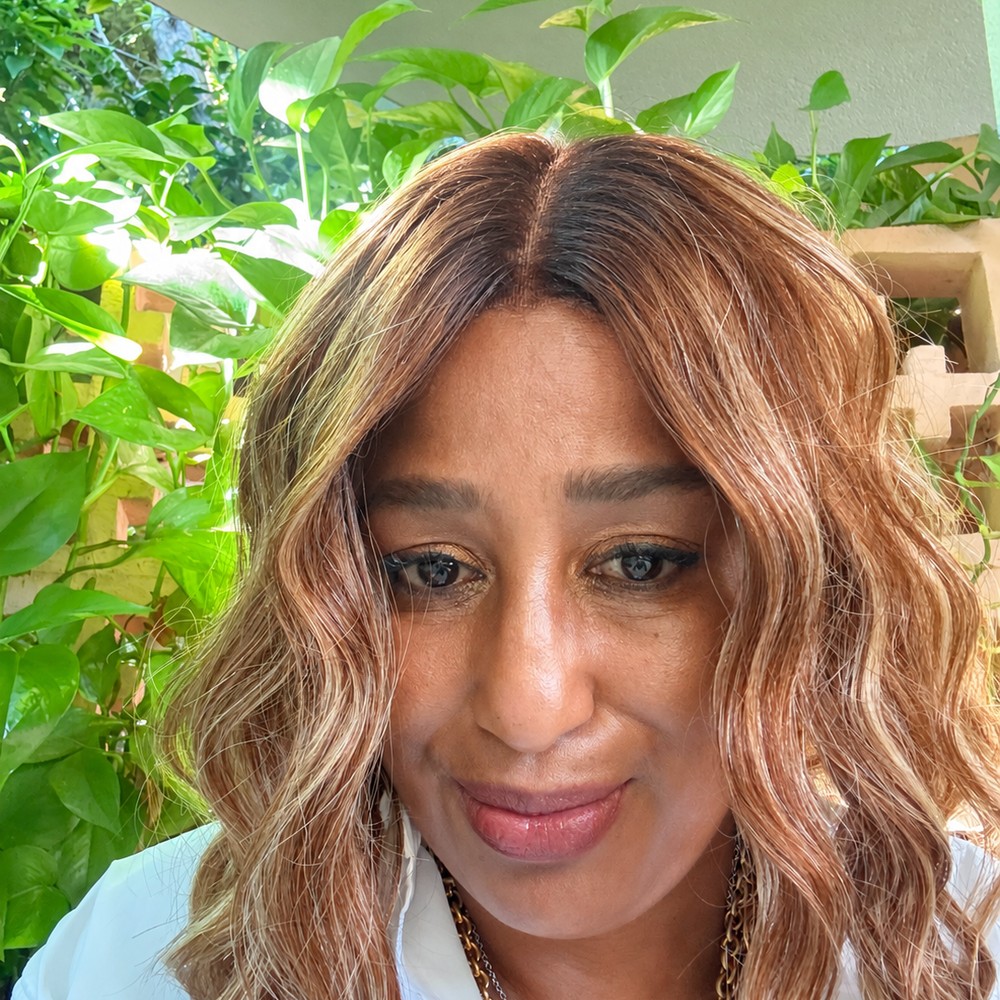
Creator | Host | Co-Executive Producer
Kat Vasseghi is a Bravo Commentator and the co-creator and co-host of The Good Edit w/ Elle & Kat, a culture-forward podcast where reality TV meets psychology, sociology, and sharp analysis. Previously known for her brand BravoRecs, Kat brings years of fluency in the Bravo universe its personalities, storylines, and fandoms paired with quick wit and a fan's instinct for the moments that matter. As a Bravo Commentator, she turns each recap into something sharper and more revealing than the average reaction show.
Known for her humor and culturally fluent takes, Kat reads the Bravo universe through the lens of the fans who live in it, catching the shifts and subtext other recaps miss. Alongside co-host Elle Schwartz, she co-created The Good Edit w/ Elle & Kat, blending cultural fluency, sharp humor, and elevated Bravo commentary into one of the most refreshing new voices in the reality TV podcast space.