Why Reality TV Couples Fail Post-Finale: Lessons from Love Island USA
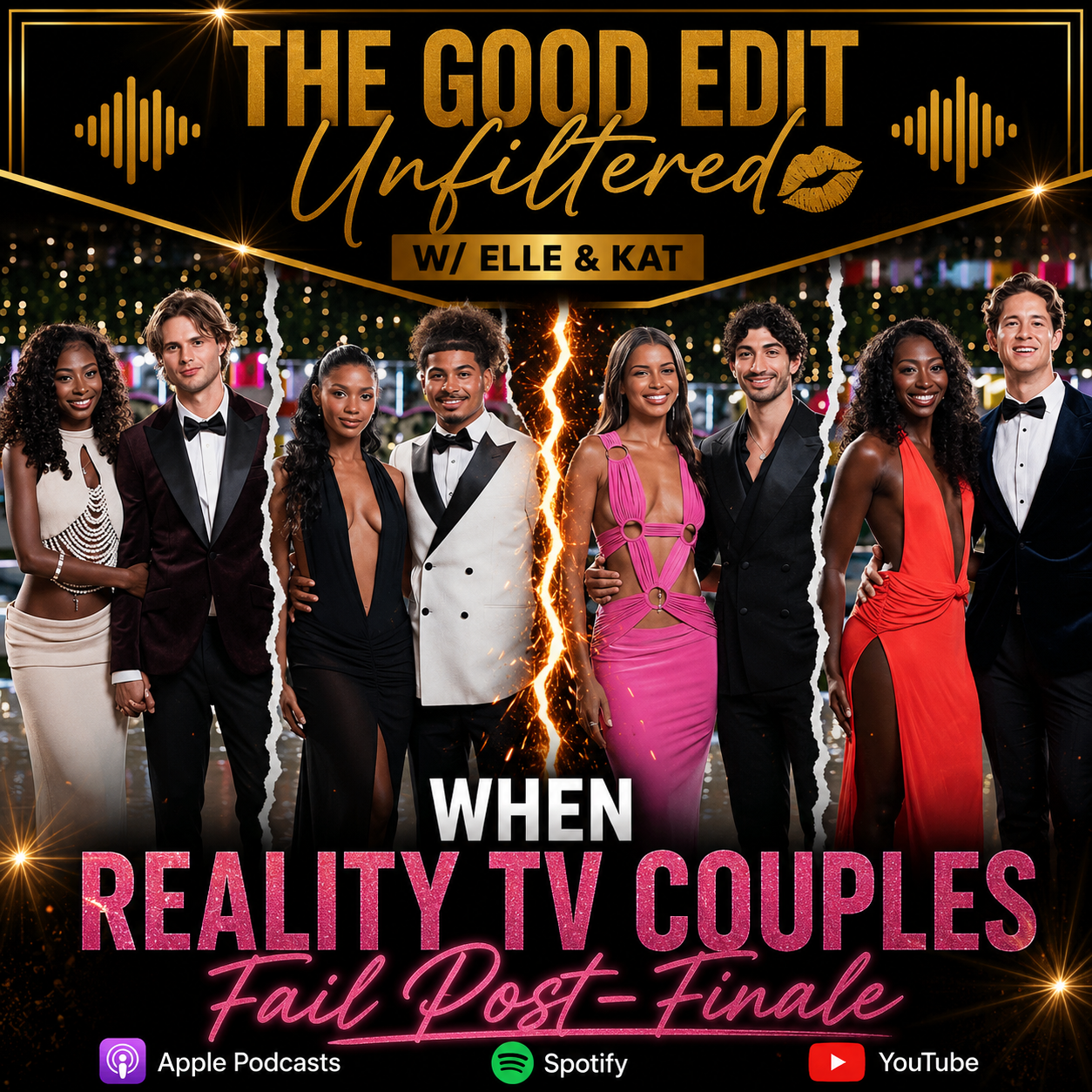
Reality TV relationships often crumble once the cameras stop rolling, but the reasons behind these breakups are usually rooted in the artificial environment of the villa rather than lack of chemistry. By examining the structural constraints of dating shows, we can identify why genuine emotional maturity and real-world trials are the true requirements for a couple to survive after their season concludes.
Key Takeaways
- The isolation of reality dating shows prevents couples from testing their compatibility through real-life stressors like family dynamics and mundane decision-making.
- Societal biases and external pressures, such as colorism and public perception, often go unaddressed within the safety of the "villa bubble."
- Production editing heavily influences viewer perception of "romantic" moments, masking potential red flags in relationship pacing.
- Long-term success requires couples to navigate the transition from a curated fantasy environment back to their authentic, unproduced daily lives.
The Reality TV "Bubble" vs. The Real World
The concept of the "villa bubble" is more than just a production setting; it is a psychological phenomenon. In a controlled environment like Love Island USA, participants are stripped of their professional responsibilities, social obligations, and the complications of their existing family lives. They are left in a vacuum where the only priority is forming a romantic connection. This hyper-focus creates an accelerated sense of intimacy that rarely mirrors the pace of a real-world relationship.
Why Acceleration is a Trap
When you remove the distractions of work, money, and personal baggage, you are left with a sanitized version of dating. Viewers see the dates, the confessions, and the grand romantic gestures, but they rarely see how a partner handles a flat tire, a difficult boss, or a disagreement with a parent. True compatibility is built on these mundane hurdles. When production sets up a "perfect" date on a speed boat or in a picturesque setting, they are engineering a moment of bliss that bypasses the friction necessary to test a couple's resilience.
Family Reactions and Social Reality
One of the most critical moments in any reality dating season is when family members visit or offer their perspectives. As seen in the recent season finale, these interactions often reveal deep-seated issues that the participants themselves may have ignored while inside the villa. External factors such as cultural differences, colorism, and societal expectations can suddenly complicate a bond that seemed untouchable behind the villa walls.
When a family member expresses skepticism, they aren't just reacting to the person on screen; they are reacting to the lack of context. They know the participant's history and their genuine behavior outside the show. For a couple to succeed, they must be able to integrate their partner into these complex family dynamics. If the partner's public-facing persona during the show was heavily edited to favor a "hero" narrative, the transition back to the real world becomes significantly more difficult.
The Impact of Editing on Romantic Perception
Editing is never accidental. Producers craft hero and villain arcs to maximize engagement, which often involves highlighting certain emotional reactions while cutting others. This creates a disconnect between the reality of the contestants' relationship and the audience's perception of them. Viewers may fall in love with a "power couple" simply because they have been edited as the protagonists of the season.
However, once the cameras stop, the participants are no longer protected by these curated edits. They are forced to confront the actual, unvarnished truth of their connection. For many, this is the moment they realize that their "romance" was sustained largely by the show's structure rather than a deep, underlying partnership.
Building Resilience Beyond the Credits
The true measure of a relationship forged on television is how it functions when the "Princess and Prince" narrative evaporates. Couples who survive long-term are usually those who prioritize open, honest communication about their values rather than chasing the high of the "villa glow." Vulnerability isn't just about sharing secrets in a confessional; it's about being honest about who you are when you're frustrated, tired, or unhappy. If the foundation of the relationship is based on physical attraction and the pressure to perform for the audience, the odds of failure increase exponentially.
For a deeper look into the mechanics of these dynamics and the psychological factors behind why these relationships succeed or fail, Listen to the full episode of The Good Edit Unfiltered. Join Elle and Kat as they break down the unseen layers of the finale and offer expert analysis on the relationships that defined this season.
Frequently Asked Questions
Why do reality TV relationships struggle to last?
They often struggle because the show provides an artificial, high-pressure environment that isolates contestants from real-world responsibilities and conflicts, which are essential for building a lasting, authentic connection.
What role does production play in creating a false sense of romance?
Production often utilizes strategic editing and carefully curated, expensive dates to manufacture a "fairytale" narrative, which can mask the lack of genuine emotional compatibility between two people.
How does family input change the dynamic after the show?
Family members often bring in necessary, harsh truths from the contestants' actual lives that were ignored during the show's filming, forcing the couple to reconcile their "show persona" with their "real life" identity.