What John Barlow's Raw Confession on RHOSLC S7 Teaches Us About Marital Jealousy
When John Barlow sat down for the Real Housewives of Salt Lake City Season 7 premiere and openly admitted that he was jealous of his wife Lisa's success, he broke a cardinal rule of reality television husband behavior. Instead of deflecting or projecting confidence, John laid bare a painful marital vulnerability that provides a fascinating window into the hidden psychological toll of reality TV fame.
Key Takeaways
- John Barlow admitted he was not a safe space for Lisa Barlow during her heavy career year.
- The husband of the Sundance star confessed to experiencing direct jealousy over his wife's professional success.
- Behavioral analysis reveals the heavy social and emotional cost of a reality TV husband admitting vulnerability on camera.
- The scene stands out as one of the most uniquely honest and unvarnished conversations in the history of Real Housewives.
- Couples navigating fame often face hidden power imbalances when one partner's star rises significantly faster.
The Cost of Admitting Jealousy on Camera
Reality television is built on the architecture of ego. For the husbands who orbit the franchise's central women, the unwritten script usually demands a certain level of stoicism, protective posturing, or light-hearted comic relief. Enter John Barlow, who completely disrupted that formula in the opening episode of Season 7. While slicing together a grilled cheese sandwich that looked deceptively complex, Lisa and John engaged in a level of emotional transparency that stopped viewers in their tracks.
John stated plainly that he was not a safe space for Lisa during her previous year. He didn't dress it up in television-friendly euphemisms. He confessed that he was dwelling in a dark place, that he lacked the emotional tools to name what he needed, and, most crucially, that he felt deep, gnawing jealousy watching his wife's career trajectory soar while his own felt stalled.
From a behavioral standpoint, this kind of admission is exceptionally rare. Most people struggle to admit jealousy to a licensed therapist in the privacy of a soundproof office, let alone across a kitchen island with production cameras capturing every micro-expression. John's willingness to unpack his shortcomings on national television forces us to reevaluate how we judge reality TV spouses.
Unpacking the Power Dynamics of Fame
When a couple enters the Bravo ecosystem, the fame and opportunities are rarely distributed evenly. One partner—usually the Housewife—becomes the focal point of public adoration, brand deals, and social scrutiny. The supporting partner often finds themselves cast into a background role, expected to manage the logistics of home life while managing their own professional identity.
In the Barlow household, John has long cultivated a persona of steady, unwavering support. He is the quiet anchor to Lisa's chaotic, high-energy whirlwind of fast-food runs and tequila ventures. But Season 7 peeled back that polished veneer. What happens when the anchor starts to sink under the weight of unaddressed resentment? John's admission highlights a universal truth about ambition in long-term relationships: supporting a partner's meteoric rise can sometimes feel like standing in their shadow.
Behavioral analysts often look at what people choose to conceal rather than what they reveal. By confessing his jealousy out loud, John dismantled the defense mechanism of silence. He chose discomfort over denial, offering a masterclass in emotional accountability that stands in stark contrast to the performative arguments typical of the franchise.
How Production Frames Marital Vulnerability
It is impossible to discuss any scene in the Real Housewives universe without examining the invisible hand of production. Editors hold immense power over how a marriage is perceived by millions of viewers. A heavy-handed edit can turn a momentary disagreement into a prelude for divorce, just as a charitable cut can gloss over toxic dynamics.
In this particular instance, the production team made a deliberate choice to let John's confession breathe. They didn't rush to cut away to a confessional laughing stock or inject dramatic string music to sensationalize the moment. They allowed the silence to sit in the kitchen with them. This editorial restraint honors the complexity of long-term partnership.
When reality TV couples struggle, audiences are often quick to demand separation or label the marriage doomed. But real life is rarely binary. John and Lisa's kitchen conversation demonstrates that a marriage can be simultaneously strained by professional jealousy and anchored by deep, enduring mutual respect. It takes an immense amount of security—ironically—to admit publicly that you felt insecure.
Conclusion
John Barlow's raw vulnerability in the RHOSLC Season 7 premiere serves as a powerful reminder that behind every constructed storyline and edited confessional are real human beings grappling with genuine ego, insecurity, and growth. By putting his flaws on display, John offered viewers a rare look at the quiet collisions that happen when love and ambition intersect in the spotlight.
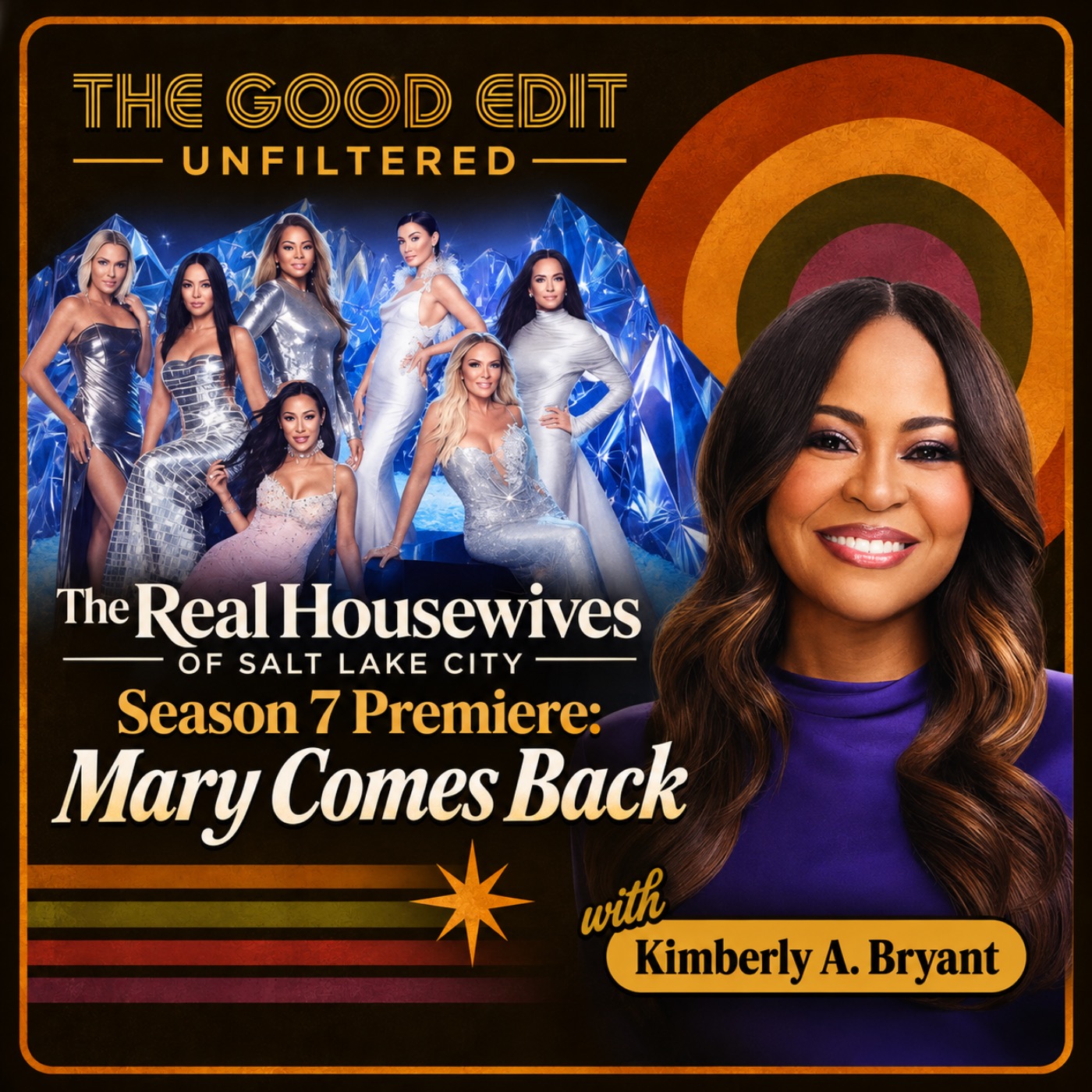
To hear a comprehensive, scene-by-scene behavioral breakdown of the entire season premiere—including deep dives into grief, the edit, and group dynamics—make sure to Listen to the full episode. Join the community of Edittors and experience reality television through the lens of context and human behavior.
Frequently Asked Questions
What did John Barlow admit to in the RHOSLC Season 7 premiere?
John Barlow confessed that he was not a safe space for Lisa during her difficult previous year, acknowledged he was in a dark place, admitted he struggled to name his needs, and confessed to feeling jealous of her success.
Why is John Barlow's Season 7 confession considered unusual for reality TV?
Most reality TV husbands tend to protect their ego or deflect drama onto other cast members. John's willingness to admit to personal jealousy and emotional failure on camera breaks the typical bravado mold.
How does behavioral analysis view John and Lisa Barlow's dynamic?
Behavioral analysis looks past the edited surface to examine power dynamics, noting that when one partner experiences a massive career high while the other stagnates, it triggers deep-seated psychological friction that rarely gets aired publicly.
Where can I listen to a deep-dive behavioral analysis of the RHOSLC Season 7 premiere?
You can listen to the complete scene-by-scene breakdown on The Good Edit Unfiltered podcast episode covering the RHOSLC Season 7 premiere.