The Silent Saboteur: How Unspoken Fears Fuel Nia's Denial on 'The Valley'
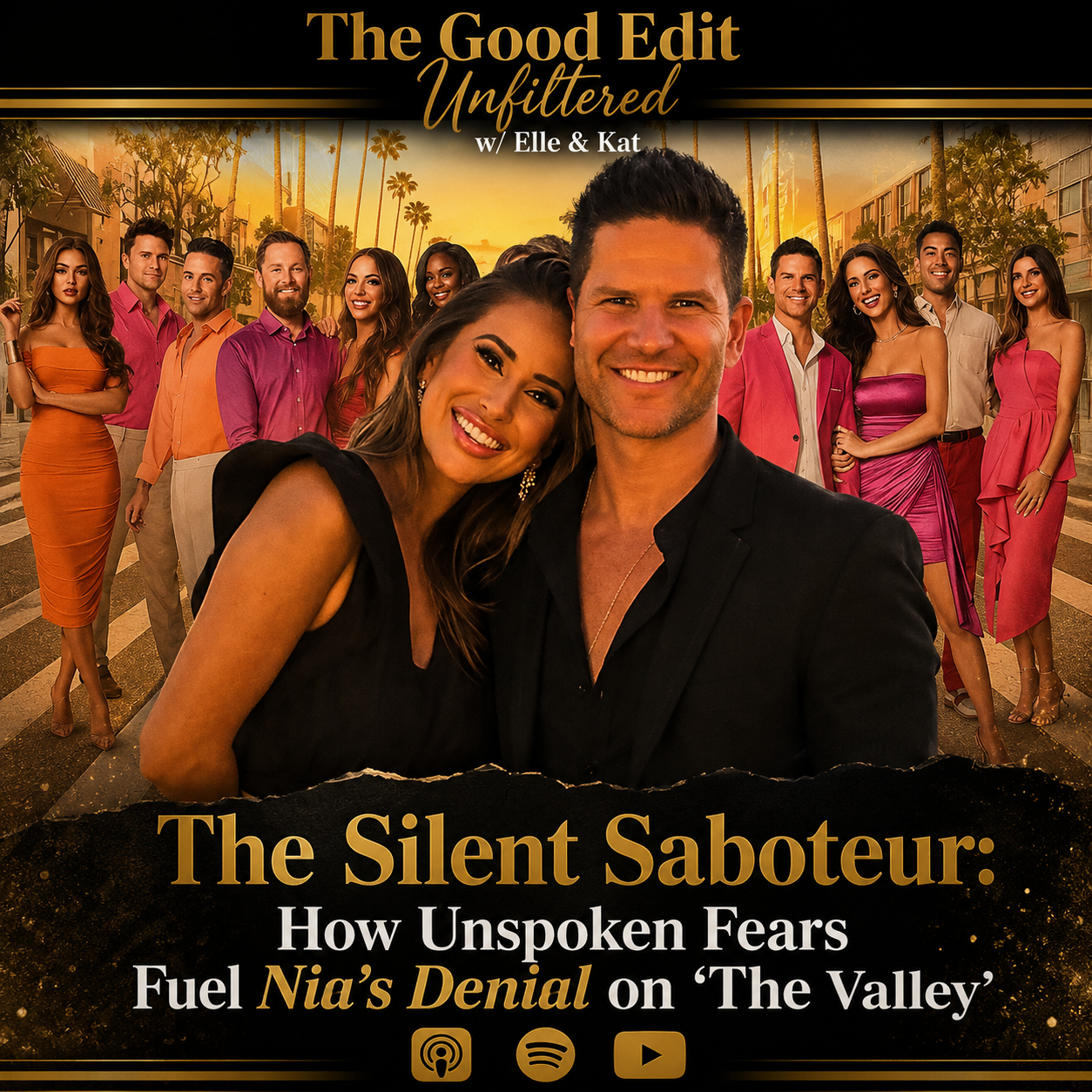
Silent Saboteur Marital Denial | Explore how Nia's denial on 'The Valley' stems from unspoken fears, sabotaging relationships and hindering personal growth. Analysis from The Good Edit Unfiltered.In 'The Valley,' Nia's persistent denial about her actions and their impact on relationships offers a clear, yet often painful, illustration of how unspoken fears can sabotage genuine connection and create significant relational rifts. This deep dive explores the psychological roots of her defensiveness.
Key Takeaways
- Unacknowledged fears can manifest as denial, a defense mechanism to avoid confronting uncomfortable truths.
- Nia's pattern of denial suggests a fear of judgment or accountability, preventing self-reflection and growth.
- When individuals consistently deny reality, it erodes trust and creates a frustrating barrier for those trying to connect authentically.
- The podcast analysis suggests that true resolution requires acknowledging these underlying fears, not just the surface-level behaviors.
- Moving beyond denial involves a willingness to face potential negative consequences and embrace personal responsibility.
The Psychology Behind Nia's Denial
'The Valley' season 3, episode 9, 'Till Debt to Us Part,' presents Nia with a potent case study in the psychological phenomenon of denial. Her repeated refusal to acknowledge the validity of certain situations, particularly concerning her own contributions to conflict or the emotional fallout for others, points to a deeply entrenched defense mechanism. Denial, as discussed in the context of reality TV analysis, isn't simply about being difficult; it's often a desperate attempt by the ego to protect itself from overwhelming emotions like shame, guilt, or profound anxiety. When faced with information that threatens a carefully constructed self-image or a desired narrative, the mind can erect a wall of rejection.
We see this play out when Nia deflects blame, reinterprets events to her favor, or minimizes the impact of her words and actions. This isn't an external problem for Nia; it's an internal battle. The podcast episodes often highlight how such persistent denial, while temporarily shielding an individual, ultimately acts as a powerful inhibitor to personal growth and relational repair. The very act of refusing to see or acknowledge a truth prevents the individual from learning from it, from adapting their behavior, or from genuinely apologizing and making amends. The constant evasion creates a disconnect not only within herself but also with those around her. Friends and partners attempting to engage with Nia on these issues are met with resistance, confusion, and a sense of invalidation, making genuine connection and conflict resolution feel nearly impossible. The podcast's analysis from 'The Good Edit Unfiltered' suggests that this pattern often stems from an unspoken fear—perhaps a fear of rejection, a fear of being seen as flawed, or a deep-seated fear of confronting the consequences of her choices. This hidden fear, left unexamined, solidifies into a rigid denial that acts as a formidable barrier.
Unspoken Fears as Relationship Saboteurs
The dynamic between Nia's denial and the reactions of those around her in 'The Valley' underscores a critical point often explored on 'The Good Edit Unfiltered': the corrosive effect of unspoken fears on interpersonal bonds. When individuals operate from a place of unaddressed apprehension, their interactions become less about genuine communication and more about managing that internal discomfort. Nia's denial, fueled by these unseen fears, doesn't just affect her; it actively sabotages the relationships within the show. Her inability to engage with reality as others perceive it creates a rift. Trust erodes because the foundation of shared understanding is constantly being undermined. Intimacy suffers because genuine emotional vulnerability is impossible when one party is constantly shielding themselves from perceived threats.
The podcast often delves into how these unspoken fears manifest in various behaviors. For Nia, it's denial. For others, it might be heightened emotional reactivity, passive-aggression, or withdrawal – all strategies to cope with the frustration and hurt caused by dealing with someone who refuses to acknowledge difficult truths. The cycle becomes self-perpetuating: the fear drives the denial, the denial creates relational damage, and the relational damage can, in turn, amplify the original fears. This creates a challenging environment where conflict resolution is perpetually stalled, and the potential for growth within the relationships is stifled. The hosts of 'The Good Edit Unfiltered' frequently emphasize that true progress in any relationship, whether on reality TV or in real life, hinges on the willingness to bring these unspoken fears into the light. It requires courage to examine what lies beneath the surface – the anxieties, the insecurities, the past hurts – that dictate present behaviors. Without this excavation, relationships remain on shaky ground, perpetually at risk of being undermined by the very things left unsaid.
Moving Beyond Denial Towards Accountability
The journey from denial to accountability is often a challenging one, particularly when observed in the high-stakes environment of shows like 'The Valley.' Nia's consistent pattern of deflection and refusal to acknowledge certain realities raises questions about the internal barriers that prevent her from moving forward. As analyzed on 'The Good Edit Unfiltered,' this resistance is not uncommon. It frequently points to a deeper fear of judgment, a fear of disappointing others, or even a fear of acknowledging personal shortcomings that could lead to significant emotional pain. The path toward accountability, therefore, begins not with external pressure, but with internal acknowledgment. It requires a conscious decision to confront these unspoken fears and to understand how they are shaping one's responses.
This process is rarely linear. It involves moments of clarity interspersed with setbacks, mirroring the complexities of personal growth. For Nia, and for anyone struggling with similar patterns, the crucial step is to begin naming the fears. What is the specific anxiety that drives the denial? Is it the fear of conflict itself, or the fear of the outcome of that conflict? Once these underlying fears are identified, they can be addressed more constructively. This might involve seeking external support, practicing self-compassion, or engaging in honest self-reflection. The podcast hosts often highlight that while denial can provide a temporary escape, it ultimately hinders the development of resilience and authentic connection. Embracing accountability, on the other hand, opens the door to learning, healing, and building stronger, more trustworthy relationships. It signifies a commitment to personal evolution and a willingness to engage with the complexities of life, rather than retreating from them. The fear of what might be uncovered during this process can be immense, but the rewards—genuine connection, self-awareness, and lasting peace—are ultimately far greater than the comfort of denial.
For a deeper dive into these dynamics and more from 'The Valley,' listen to the latest episode of 'The Good Edit Unfiltered' here: Nia's Denial Lala's Triggers | The Valley Recap Bravo Deep Dive Bravo Cast Background.
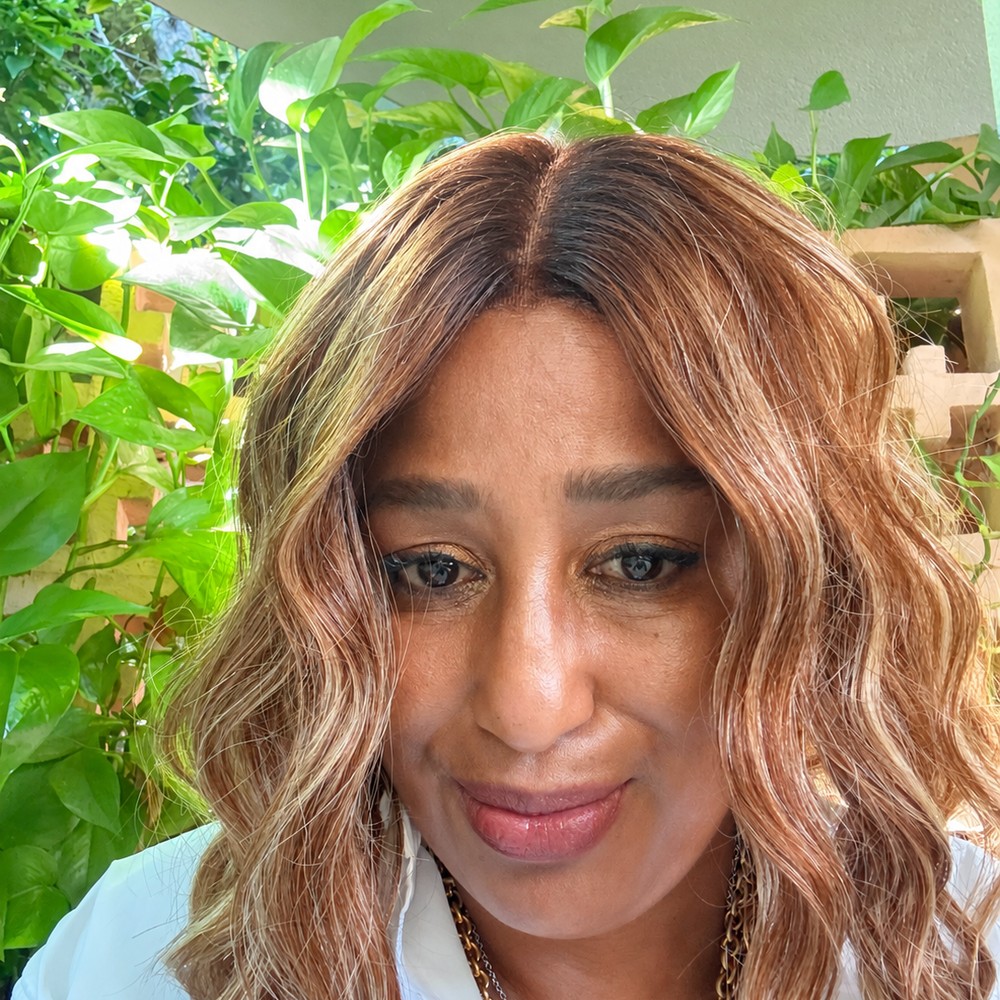
Creator | Host | Co-Executive Producer
Kat Vasseghi is a Bravo Commentator and the co-creator and co-host of The Good Edit w/ Elle & Kat, a culture-forward podcast where reality TV meets psychology, sociology, and sharp analysis. Previously known for her brand BravoRecs, Kat brings years of fluency in the Bravo universe its personalities, storylines, and fandoms paired with quick wit and a fan's instinct for the moments that matter. As a Bravo Commentator, she turns each recap into something sharper and more revealing than the average reaction show.
Known for her humor and culturally fluent takes, Kat reads the Bravo universe through the lens of the fans who live in it, catching the shifts and subtext other recaps miss. Alongside co-host Elle Schwartz, she co-created The Good Edit w/ Elle & Kat, blending cultural fluency, sharp humor, and elevated Bravo commentary into one of the most refreshing new voices in the reality TV podcast space.